Arcata Marsh

February 4

ArcataFeb2318

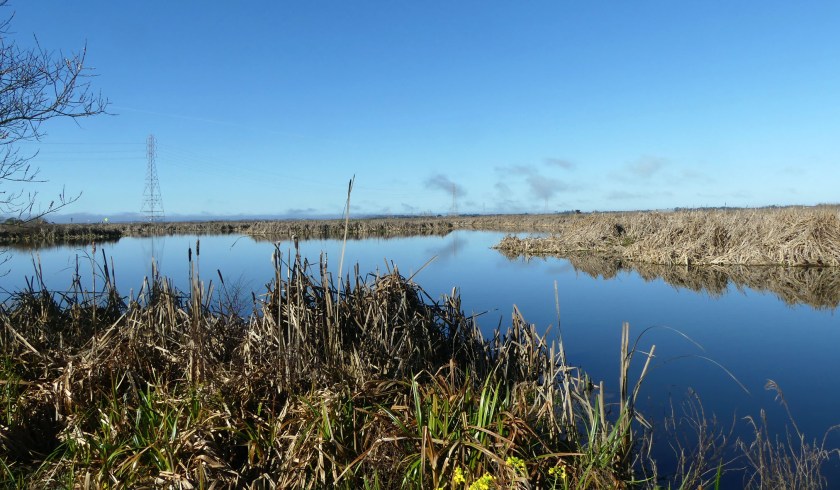
Arcata Marsh, Humboldt, California

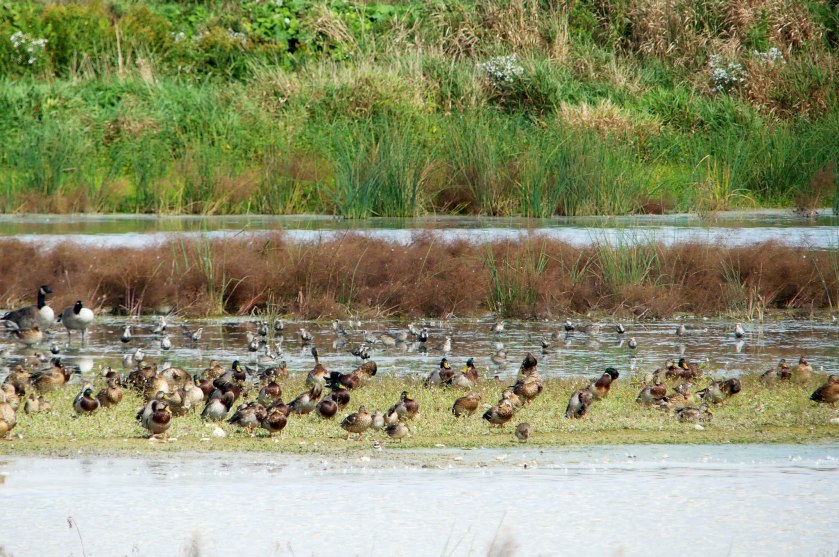
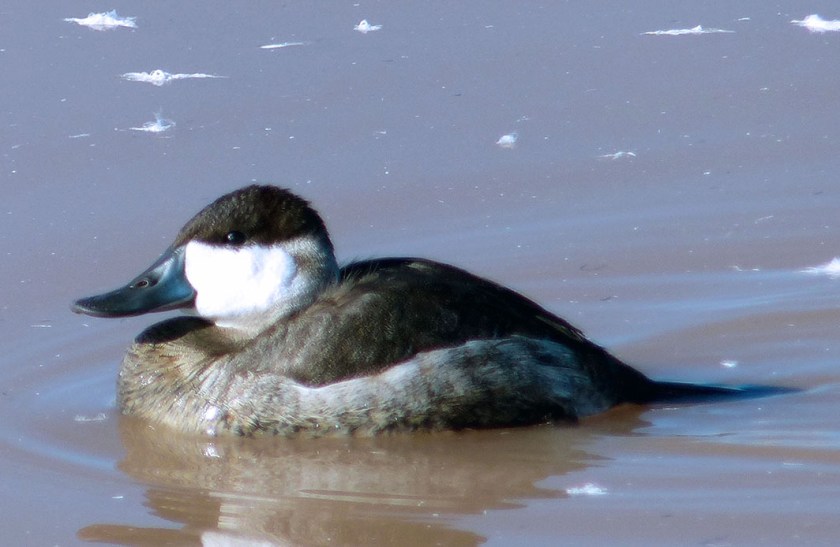
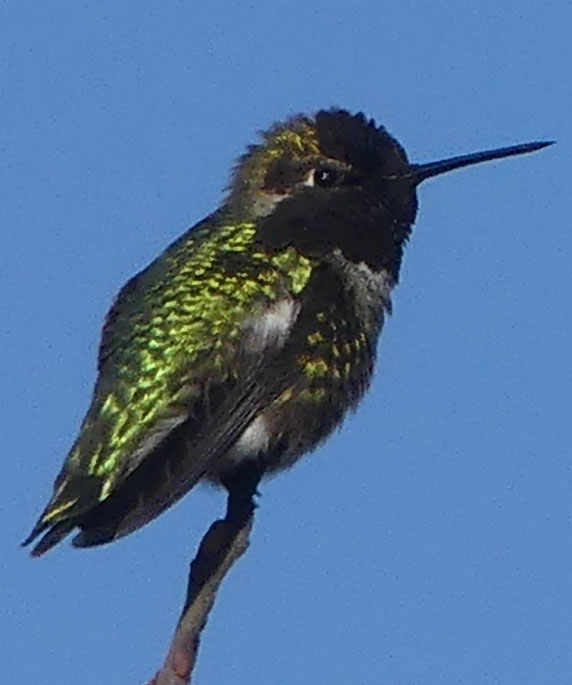
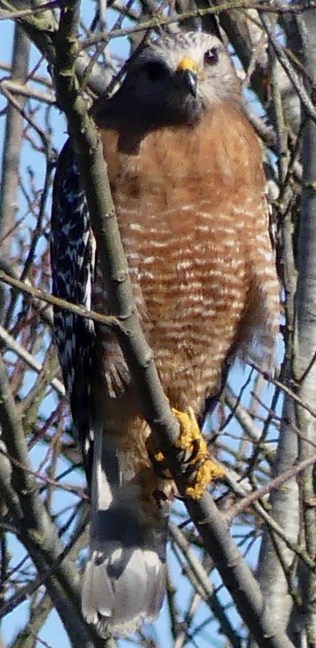
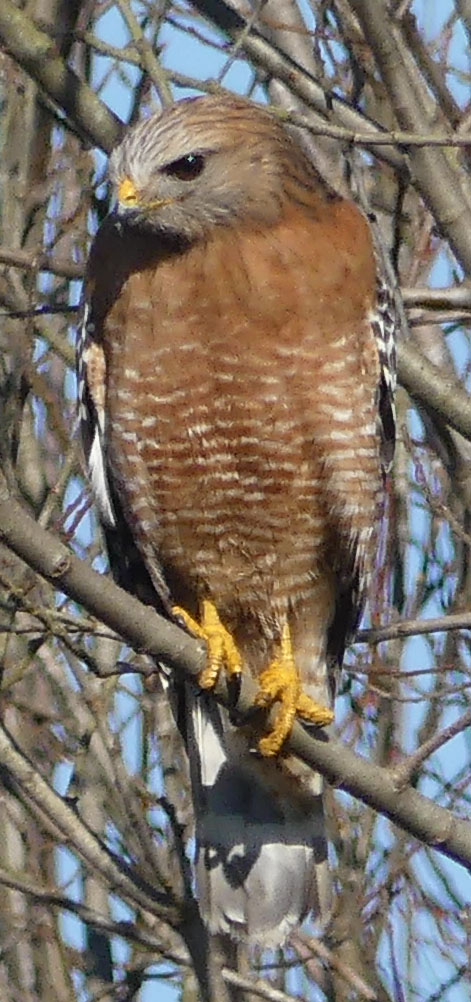
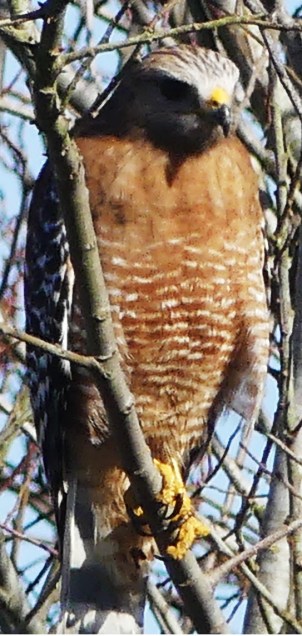
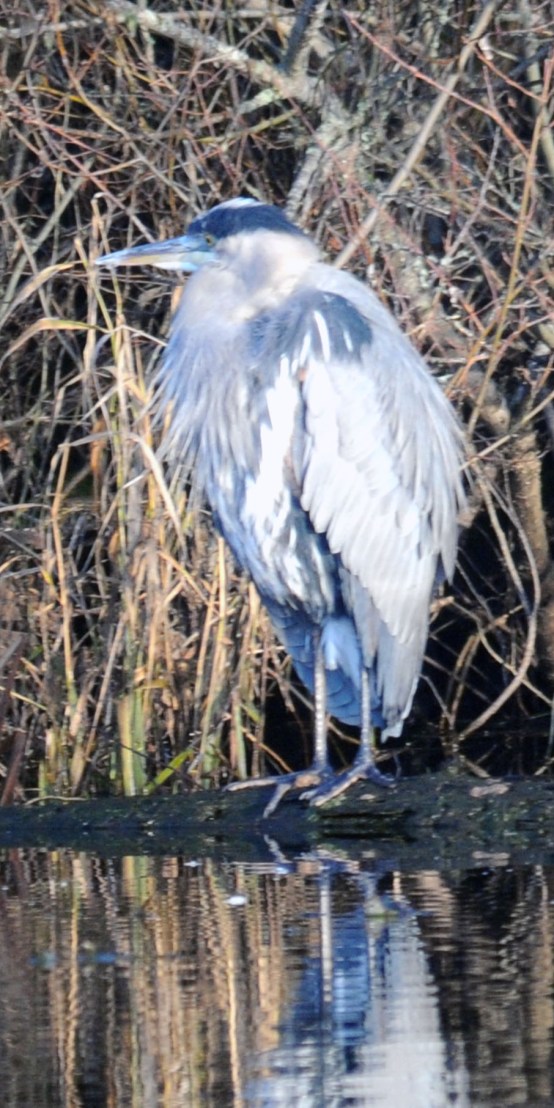
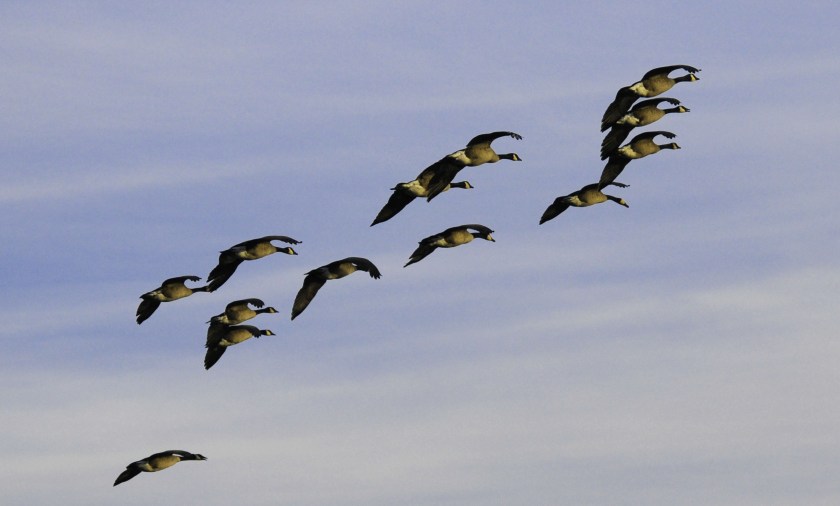
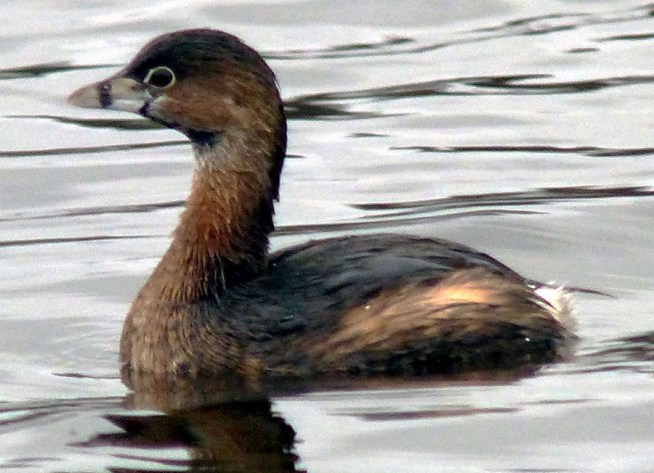
I’ve been to Arcata before. It’s one of the most productive birding sites in northern California. It’s too early in the year for migrants, in spite of what I might wish. I know because I’ve been checking ebird, hoping for some rarity. Not that I’m complaining. I’m happy to be in the marsh enjoying the late morning sun and the warmth. And there are plenty of birds around — Anna’s Hummingbirds glittering like emeralds, busy Yellow-rumped Warblers, Snowy and Great Egrets, Pied-billed Grebes. Lots of waterfowl too — Canada Geese, Northern Shovelers, Green-winged Teal, Gadwalls, Ruddy Ducks. As I finish my circuit, I spot the prize of the day in a row of distant Cottonwoods. It’s a beautiful Red-shouldered Hawk intent and focussed, glowing a lovely burnt sienna. With that it’s time to go. I’ve got mountains to cross and a long drive to Redding. Arcata marsh – I’ll be back.

PBgrb2

Pied-billed Grebe

RdyDck2

Ruddy Duck

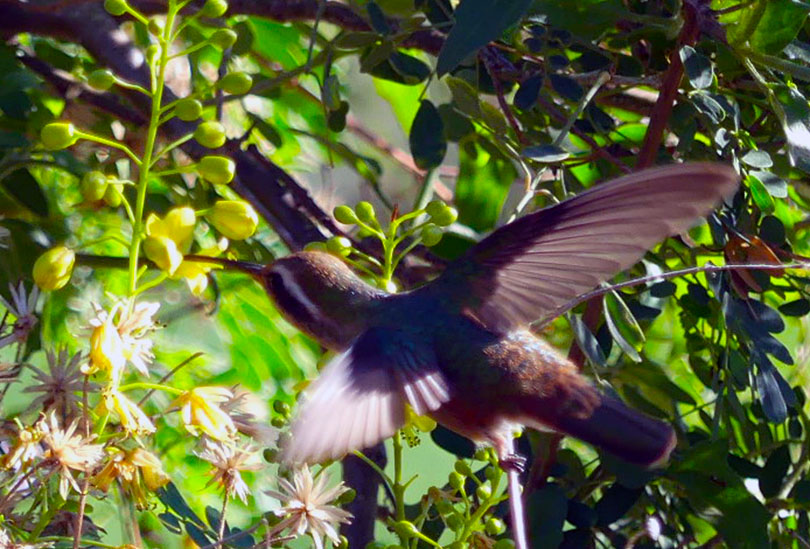
AnnasFe2318

Anna’s Hummingbird

RdShhawkfeb2318

RSHawkfe2318

RDSHFeb2318

Red-shouldered Hawk

Travel Birding

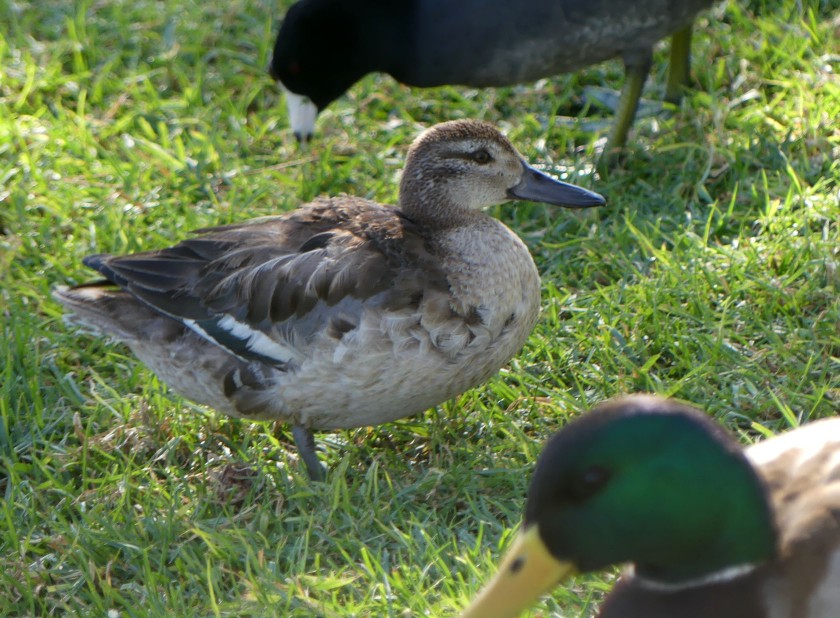
I’m driving from British Columbia to southeastern Arizona to spend time with my kid brother, Steve. I’m birding as I go, checking rarity reports daily, which is how is how I ‘got’ the Garganey in Waller Park in Santa Maria, California, a life bird for me. The little Eurasian teal touched down a few months back and now ambles about with the locals filling up on handouts. Easy. I almost don’t see her in the crowd of Mallards and Swan Geese. She’s tiny. She’s also one of the easiest rare birds I’ve ever found. Properly rare too. Most species on the reports are common at other times of the year so finding them is no biggie. Not to me anyway. In a few months the Garganey will likely lift off and head for home, thousands of miles away.

Garg3fe2318

Garganey – Santa Maria

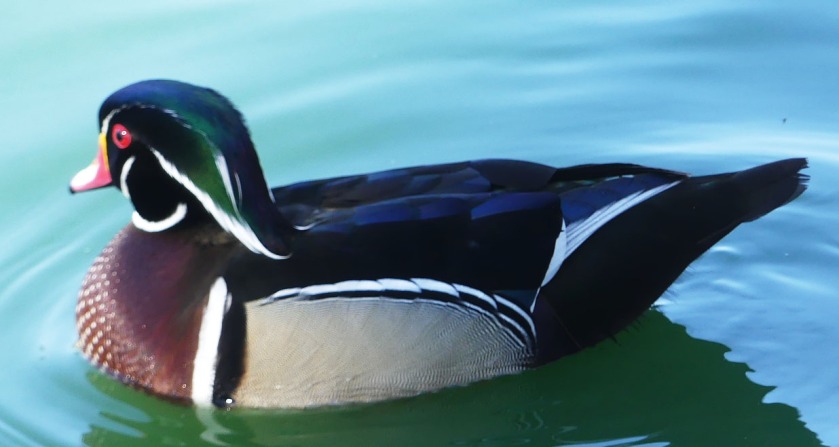
But I’m skipping ahead. I left home three days ago. Bright and early on the second day, I stop at a tiny community park in Washington state where a Mandarin Duck has been hanging out. Another visitor from Asia – if it isn’t an escapee from a zoo or suchlike. There are lots of fantastically beautiful Wood Ducks but not its kin, the Mandarin. I never found it but I notice it’s back on the rare bird list. So, another miss.

WDuckFeb2318

Wood Duck

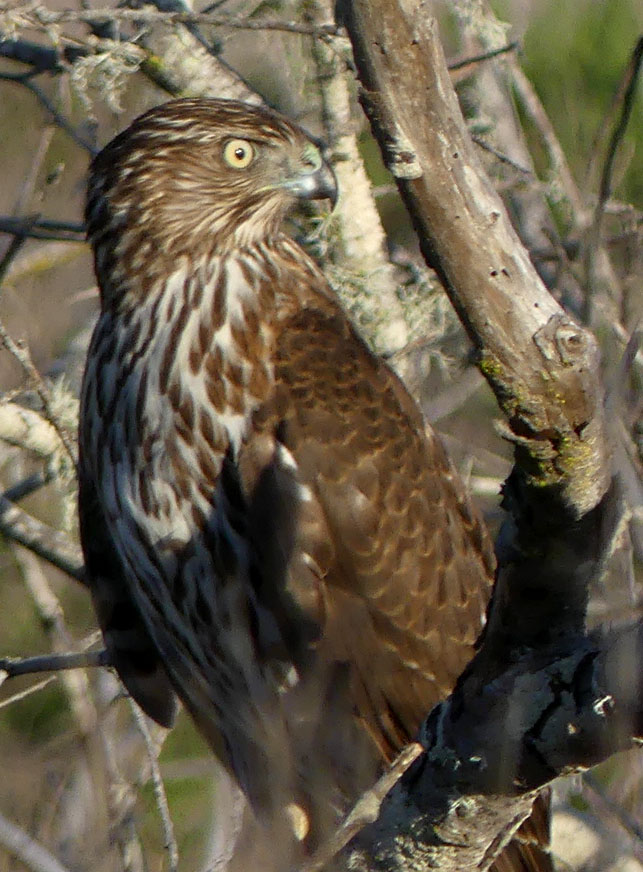
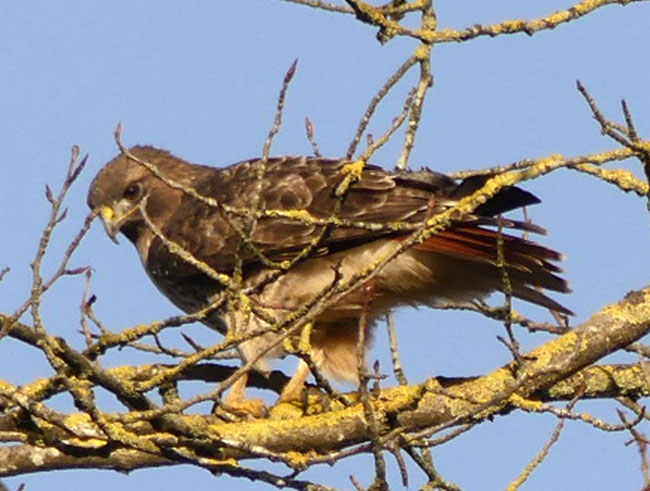
The morning air is still and bright. A pair of Redtail Hawks engage in their mating dance, gliding acrobatically through the branches of the bare cottonwoods. They seem playful. Not so the fierce looking young Cooper’s Hawk across the lawn, scanning for prey. The intensity in her bright eye! Awesome.

CHawkyngfe2318

Cooper’s Hawk

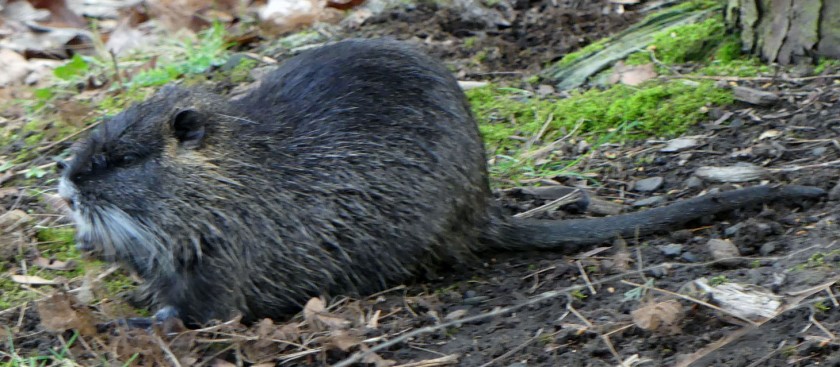
As I stare at the pond, a very handsome muskrat ambles out and pauses a few feet away and we both take in the same scene. It’s as if he (?) hopes to help out by spotting the elusive Mandarin. After a minute or so, he shakes his head and carries on. Charming. One of the attractions of birding is the likelihood that often you’ll end up in places you would otherwise never visit. And see new things too. It’s the experience that’s rare.

MuskrtFe2318

Muskrat

RThawkfe2318

Redtail A-courting

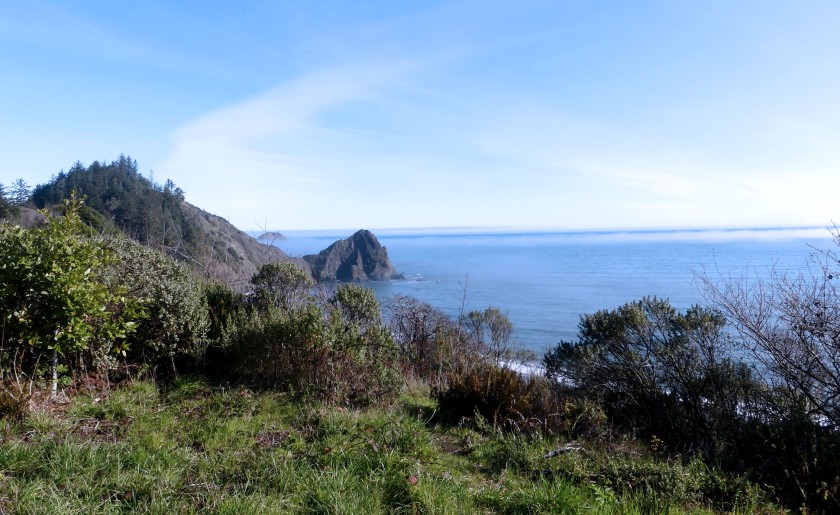
Meanwhile I have many miles ahead of me. I’ve checked the pass through the Siskyou mountains and there’s snow on I-5. To avoid it, I have to head to the coast, to Gold Beach, before I cut back across to central California. I’m lucky, the warmish spring weather continues. I leave the mountains and almost immediately the Pacific comes into view. Surf, sun, the stacks and the other features of Oregon’s remarkable coastline, Beautiful. Not every detour makes going out of one’s way seem worthwhile. This one did. Meanwhile, that Garganey I’m fated to see is still 800 miles away, cadging snacks.

OrgncostFe2318

The Oregon Coast

The wind is howlin’


Wavemanip20140428

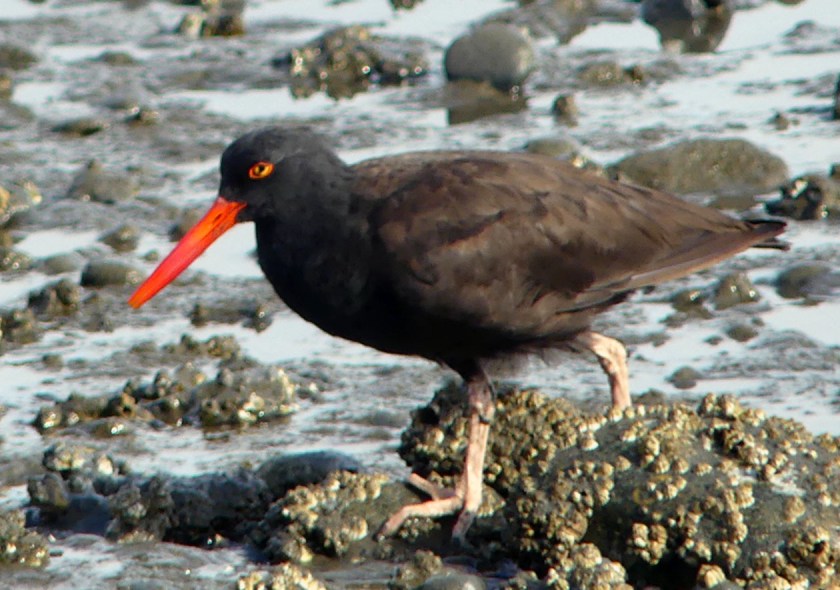
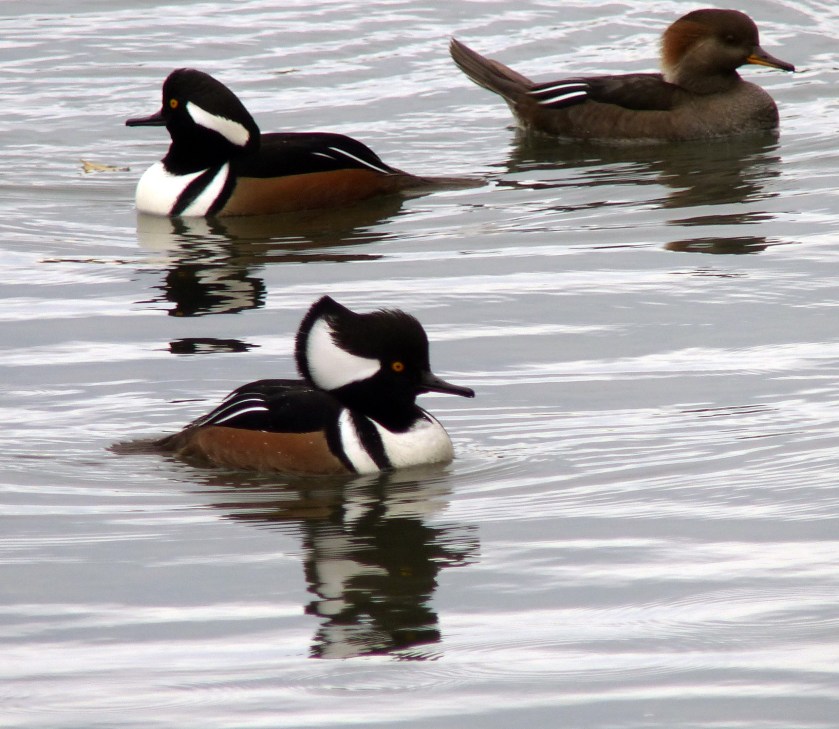
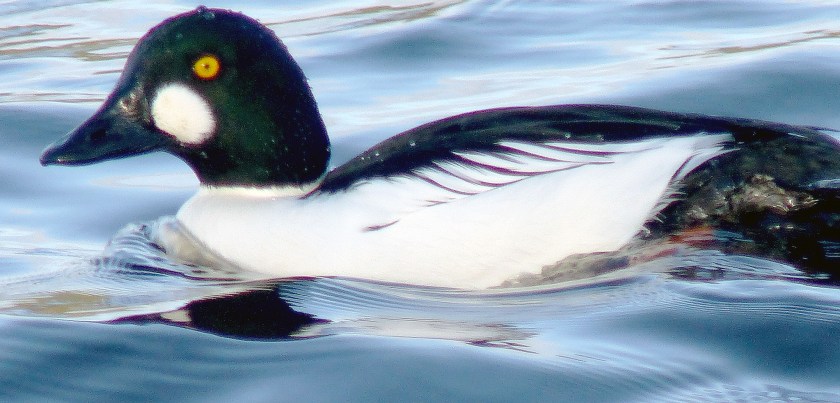
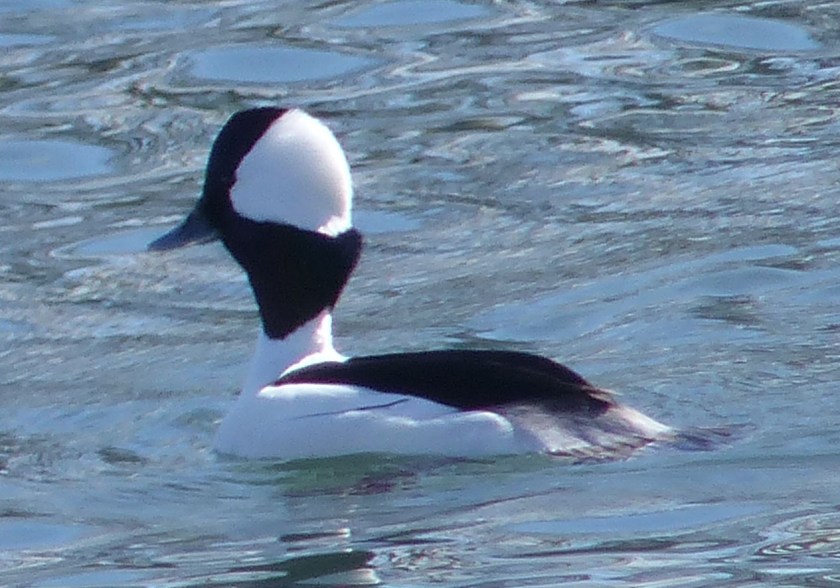
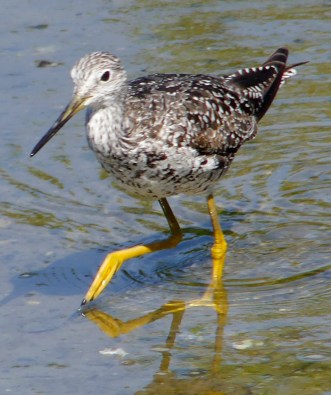
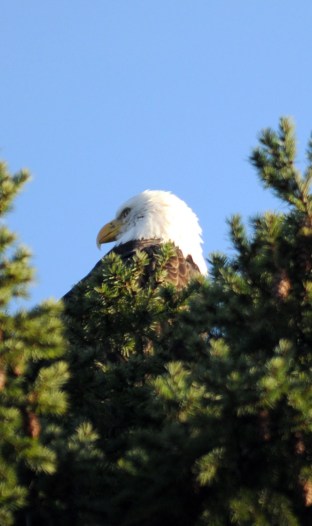
A wild night. The wind screaming through the shrouds of the sailboats sounds like a chorus of depressed banshees. Not much to do but hunker down and try to sleep. It’s still blowing at daybreak but not so bad. The banshees at least have all gone home. The bay’s choppy waters are busy with Buffleheads, a Common Goldeneye, Hooded and Common Mergansers and an American wigeon or two. As the tide drops and the reef appears, some Black Turnstones, a Greater Yellowlegs and a Black Oystercatcher show up to capitalize on whatever damage the storm did to the invertebrates the birds feed on. Two  Bald Eagles circle high overhead, hoping to spot a storm killed gull or seal no doubt. It’s an ill wind that blows no body any good.

Oystrxatchau232017

Black Oystercatcher

boystera312016

hmergs0c25

Hooded Mergansers

goleyeno212016

Common Goldeneye

Buffle3Mar192017

Bufflehead

YellowlgsJul242017

Greater Yellowlegs

Bald Eagles


Cabo Birding

ArcoJa152018

The Arco at Cabo San Lucas

Los Cabos — the brightness and warmth is nice after some very gloomy months plus I finally get a chance to visit a location that figures prominently in the historical novel I’m writing. The story involves the capture of the Manila Galleon by the English privateer, Thomas Cavendish in 1587,  Cavendish seized a vast treasure and then left half of it behind with his mutinous second ship, the Content, which almost immediately disappeared from history. It all took place right out there.

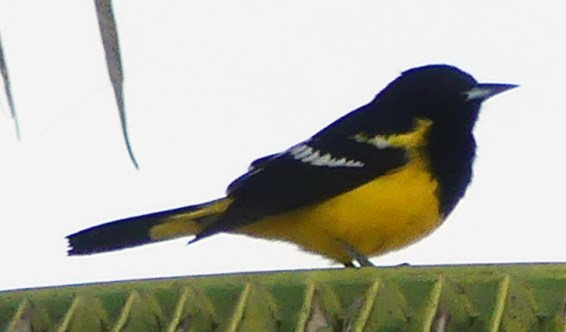
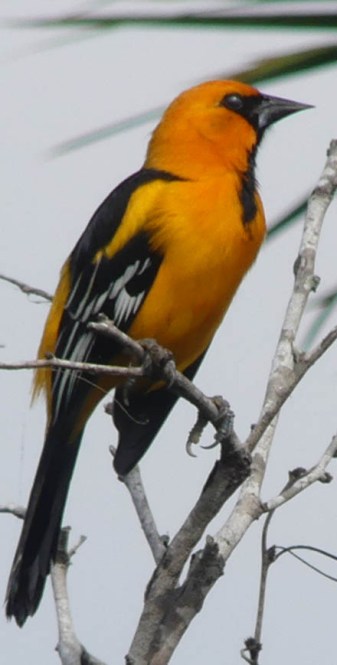
On the birding side, Baja Sur has species found nowhere else, such as Belding’s Yellowthroat, Xantus’ Hummingbird and Gray Thrasher. Our hotel is right beside a major bird sanctuary — the Estero San Jose. Coincidence? I think not. Spectacular Hooded and Scott’s Orioles are among the first birds we see.

SctsorJa1518

Scott’s Oriole

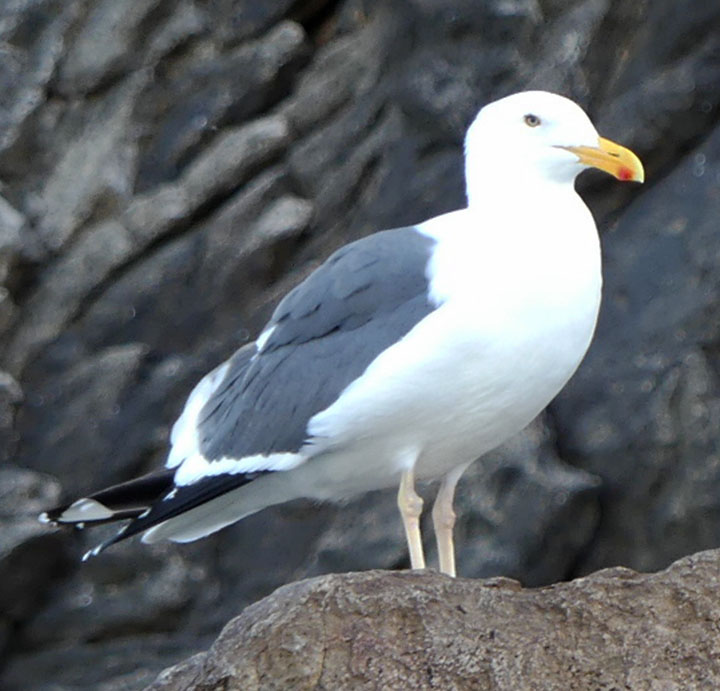
So, a successful, combined research and birding trip all in all.  Did I mention the glorious sun and sparkling blue water? Never mind. For a week it’s been birding in the morning and composing galleon action scenes and  treasure stories in the afternoon. Not a bad thing – birding in sandals, imagining history on the beach. Later, a Baja Birding tour will help me get the Xantus’ and the Gray Thrasher, both life birds, as was the Yellow-footed Gull I saw at the ‘Arco’.  Great!

Eseroja1518.jpg

Dawnesteroja1518

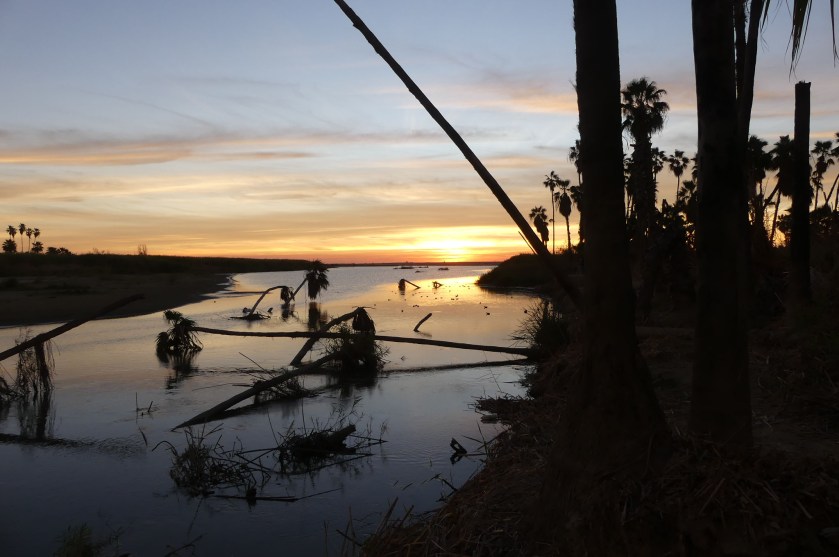
Damage from Hurricane Odile (2014)

As for the Sanctuary, at the moment it exists, it seems, in name only. No one to blame, I suppose, economics being what it is. Hurricane Odile smashed through here in 2014 and the effects are still visible. Littering and illegal dumping are a problem too and dogs and horses roam the trails. One can only hope that conservation efforts will revive once Odile and its costs slide into the more distant past.

YFotedgulJa152018

Yellow-footed Gull

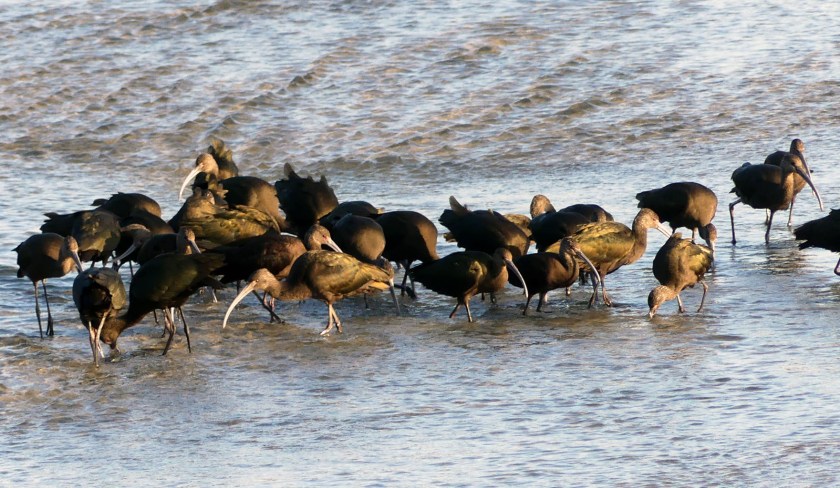
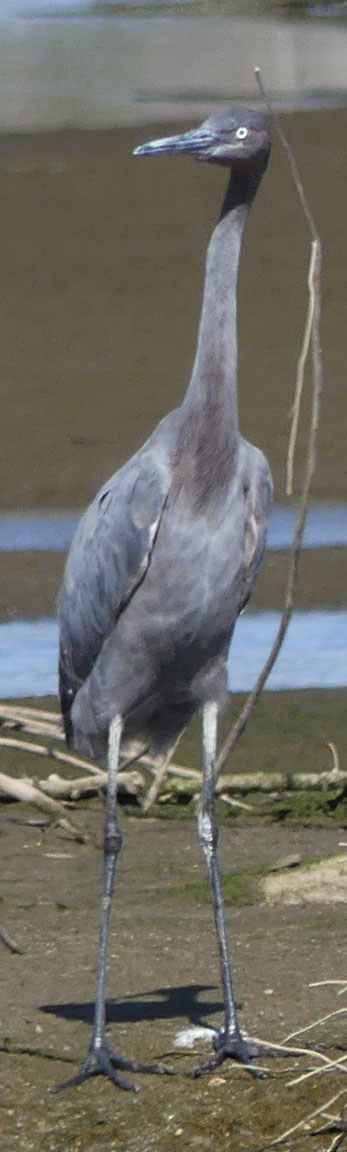
Otherwise, the Estero is fantastic. Happily, birds don’t seem to mind many of those things that irritate us humans. Water birds are abundant and relatively easy to find — Cinnamon and Blue-wing Teal, American Coots and Gallinules, Herons and Egrets. Glossy, black White-faced Ibises gather like mini conventions of funeral directors. Lots of stuff here. I particularly like watching the numerous Reddish Egrets as they dash about and pounce in the peculiar way they do. It’s like it just occurred to these birds that they are supposed to be working! It’s a fishing strategy that seems to me, well, goofy. It must be successful but I think they’re hilarious.

WhfcibisJa1518

White-faced Ibises

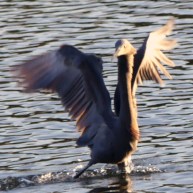
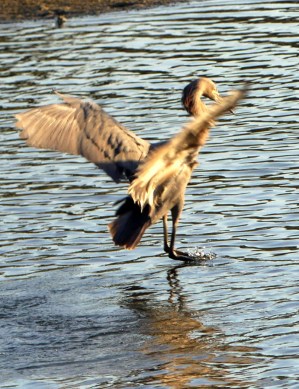
REgrtJa1518

RE1ja1518RE2RE3

Reddish Egret

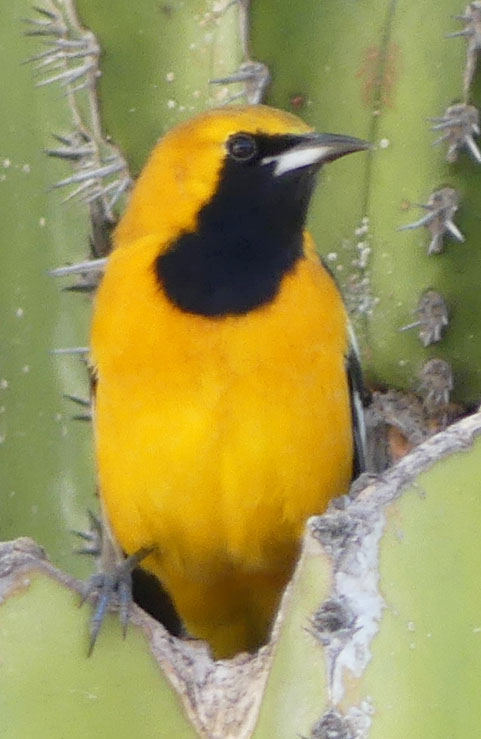
Hodoriolejan152018

Hooded Oriole

BldgsYTfemJa1518

Female Belding’s Yellowthroat

EaredGrebeJa1518

Eared Grebe

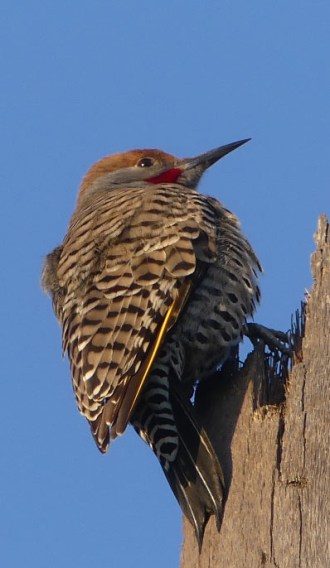
Gildedflickja1518

Gilded Flicker

Lrksparja1518

Lark Sparrow

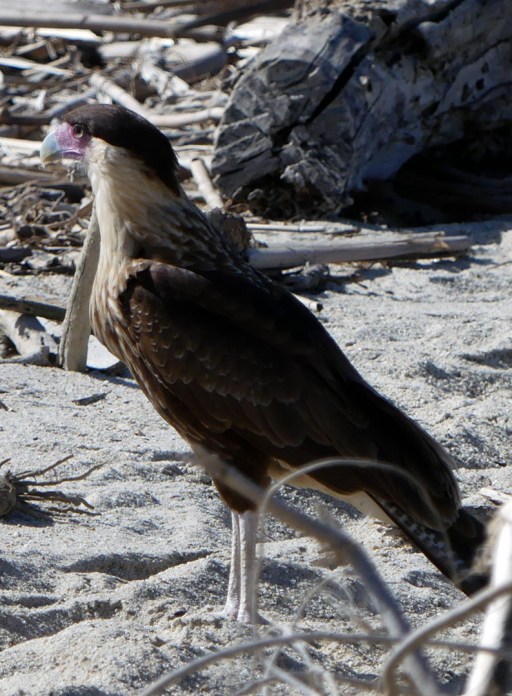
Caracja1518

Crested Caracara

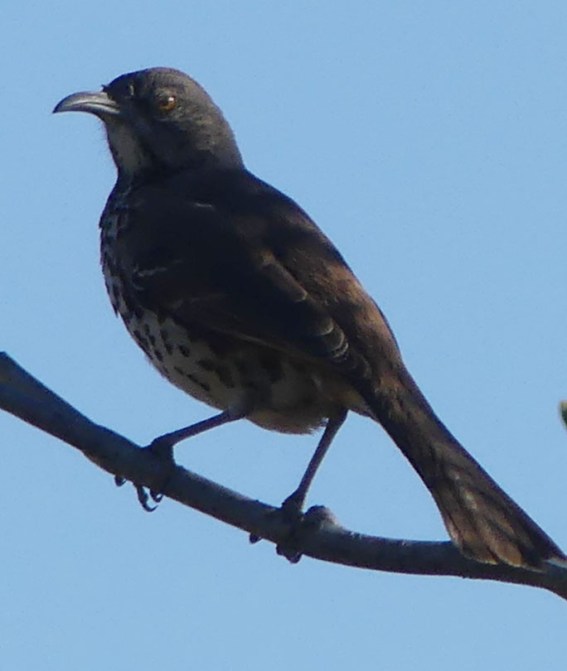
Grythrshr2ja1518

Gray Thrasher — a supercilious look methinks!

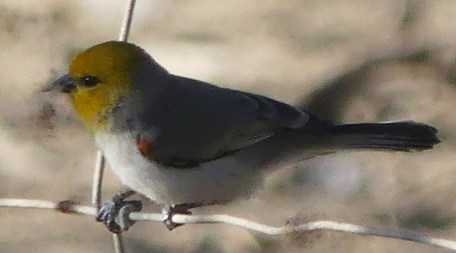
Verdinja1518

Verdin

Xantushumja1518

Xantus’ Hummingbird


Winter Birds

It’s damp and it’s been cold, which notwithstanding, I’ve been out birding. For listers like me, the new year means the start of the count again. I like that. And it’s easy to pick up species now — common birds are just as important as uncommon ones. I did try for several rarities – a Bullock’s Oriole, a Lesser Goldfinch and a Mountain Bluebird. I struck out on all counts until yesterday when I finally (after 6 tries) caught the Goldfinch at a backyard feeder. Such a thrill to finally ‘strike pay dirt’. Even so, just to be outside, looking for birds and listening to the sounds of nature is its own reward. The new year revives old challenges too. I hear my old nemesis, the Glaucous Gull has been sighted up coast – a life bird for me. Worth a trip? I’m thinking, I’m thinking…

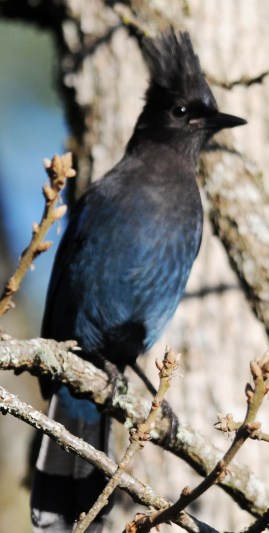
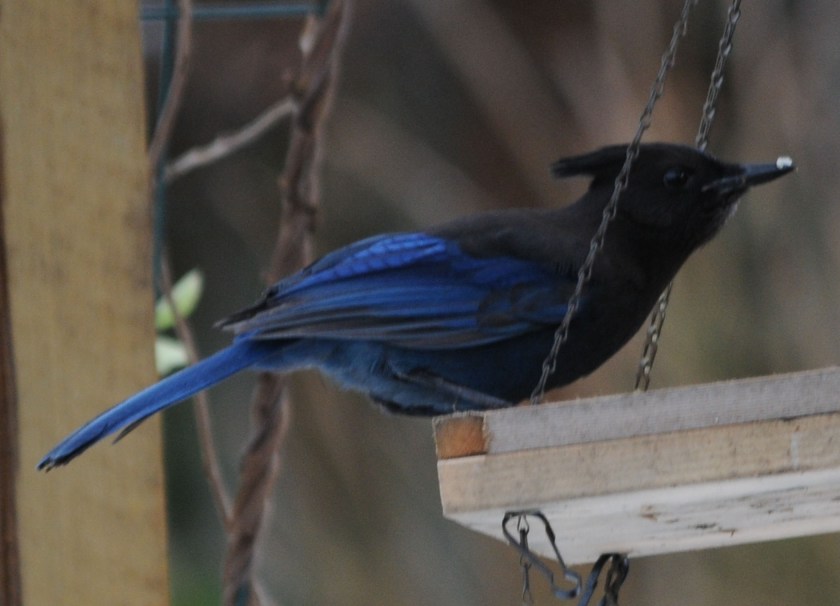
Steljayjan32018

StelsJDe26

Steller’s Jay

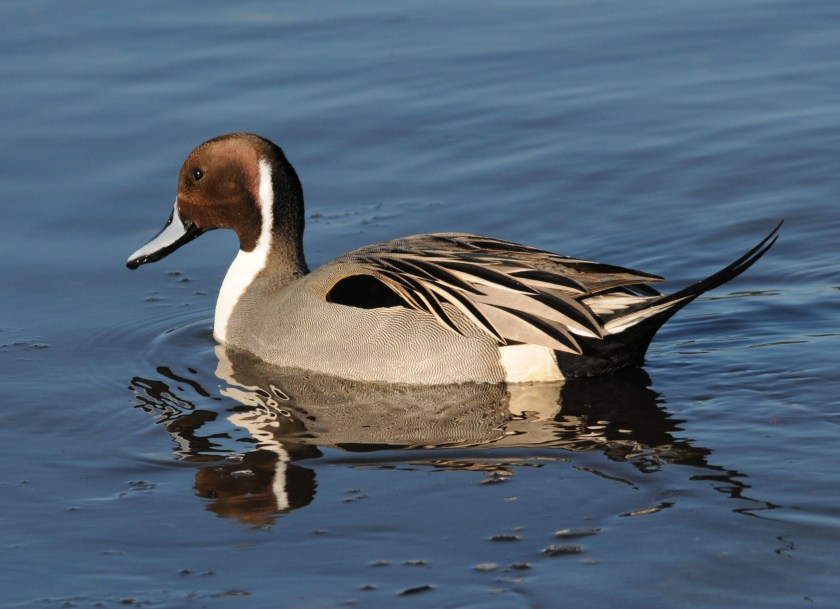
PintailJan32018

Northern Pintail

Buff;leand mergsmar192017

Common Merganser and Bufflehead

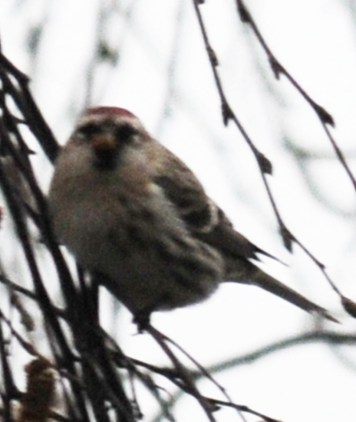
Rdpolldec24

Redpoll

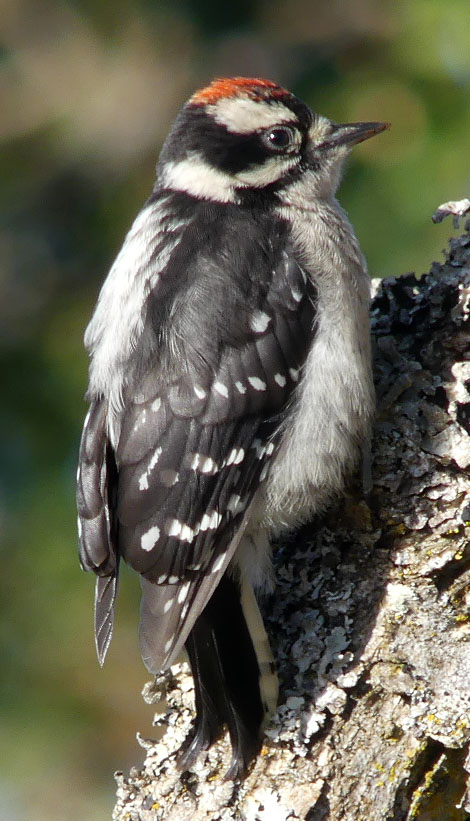
Downyjune102017

Downy Woodpecker

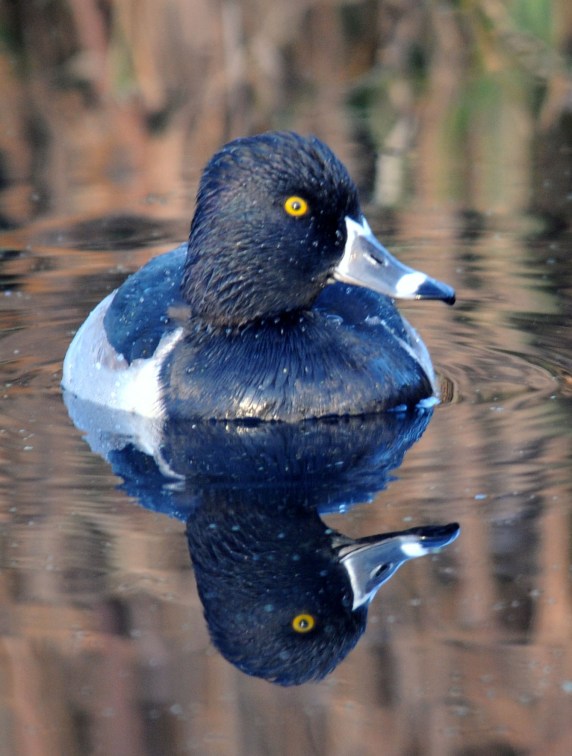
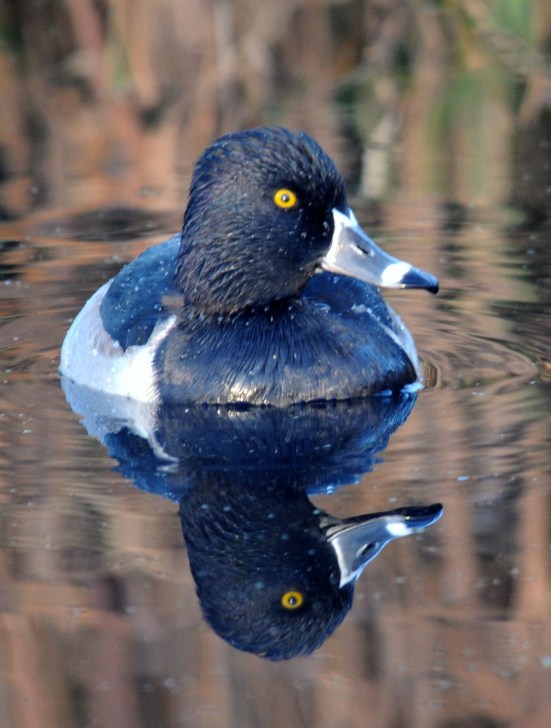
Ringnkde24

Ringneck Duck

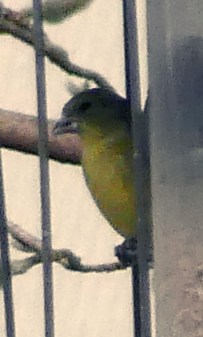
LGoldfJan42018

Lesser Goldfinch

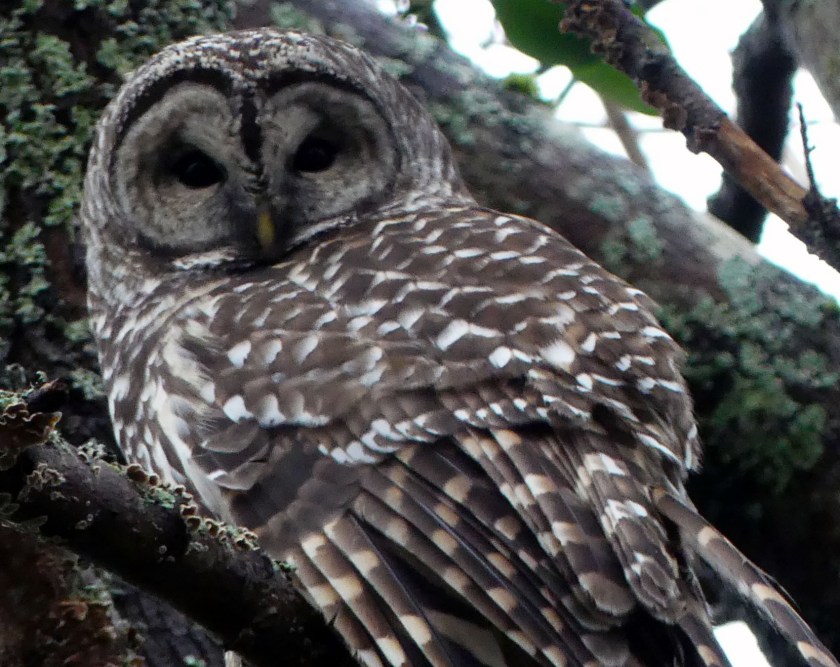
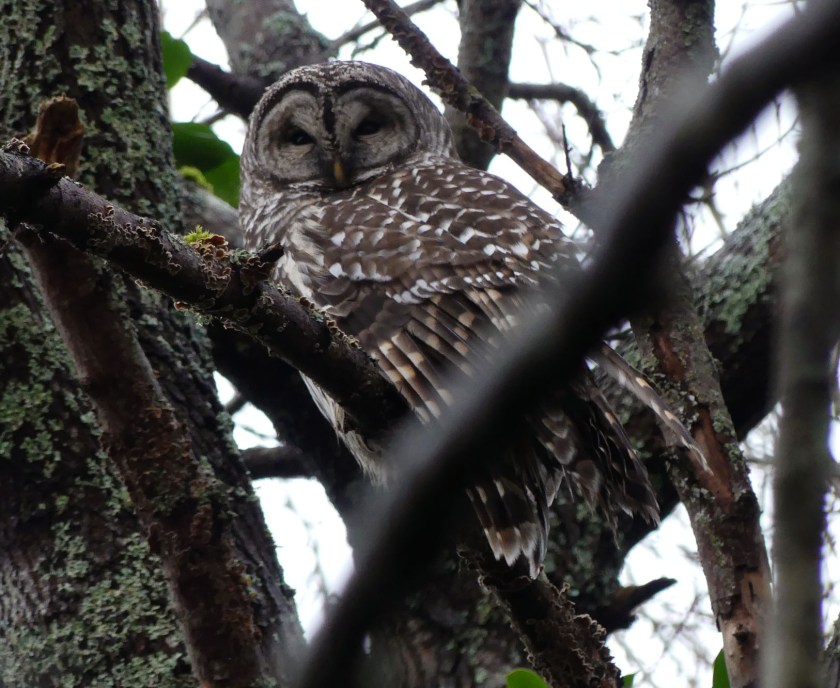
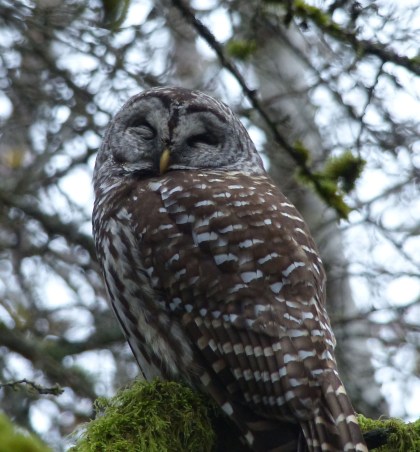
BrdOwlDe1617

Barred Owl

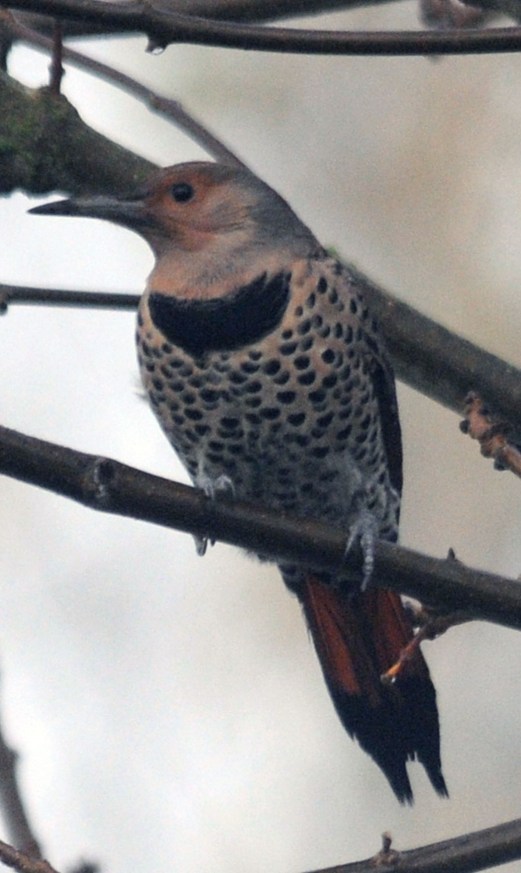
FlickNo2217

Northern Flicker

Owls

Lately a friend sent me a beautiful photo of a Barred Owl perched on his sun deck. Others see owls on balconies, shrubs, ‘the old owl tree’ — you name it. I never get anything like that. I searched for a Barred Owl five days in a row recently. Nada. It’s like that for me, except when it isn’t. Sometimes, you’re in the forest, wandering, looking for whatever and an owl appears. Thrilling!

Owleyes

Mostly I spot owls after I’ve spent hours, or days, searching. They’re seldom ‘handy’; they’re seldom posed. Nine times out of ten, they’re half-hidden by branches, or in back of the one branch that the camera decides it must have in focus. And I have to work darn hard to get good bokeh, that nice blurred background we all like. Good bokeh – ah, if only. I’ll keep trying. But now I’m whining. No reason for it either. I’ve seen quite a few owls when I’ve been out birding and sometimes I even get good shots. Besides any day you get to see an owl, never mind photograph one, is a good day!

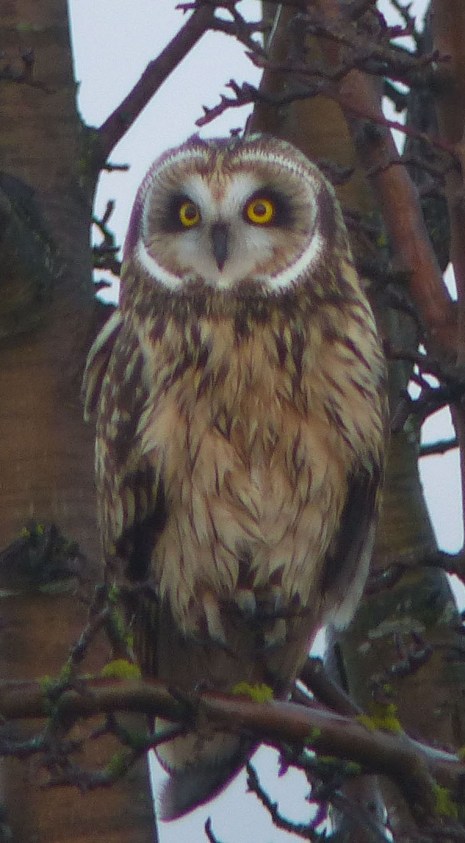
shrtearedowlfeb12016

Short-eared Owl – Boundary Bay, BC

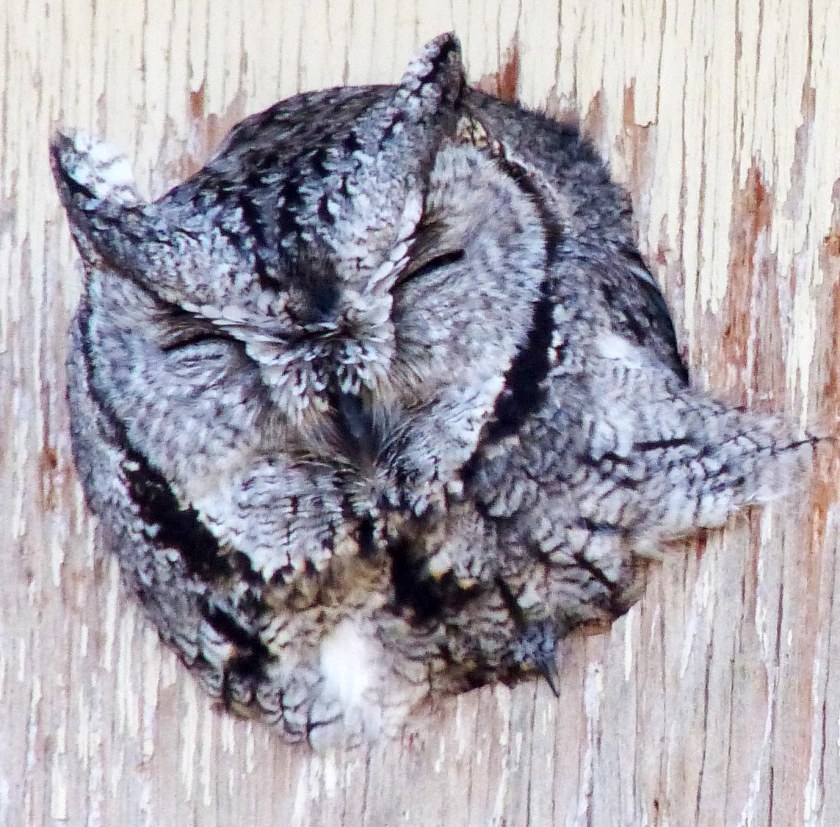
estrnscreechno42016

Eastern Screech Owl – Aransas, Texas

P1130447

Great Horned Owl – Saanich, BC

Barredowl201411242

Barred Owl – Victoria, BC

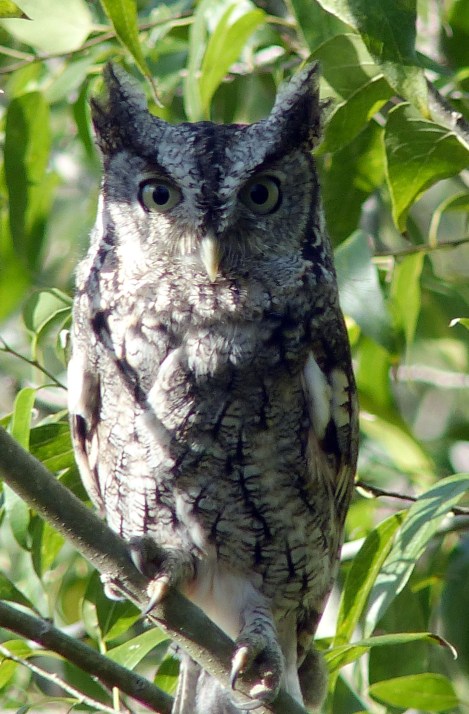
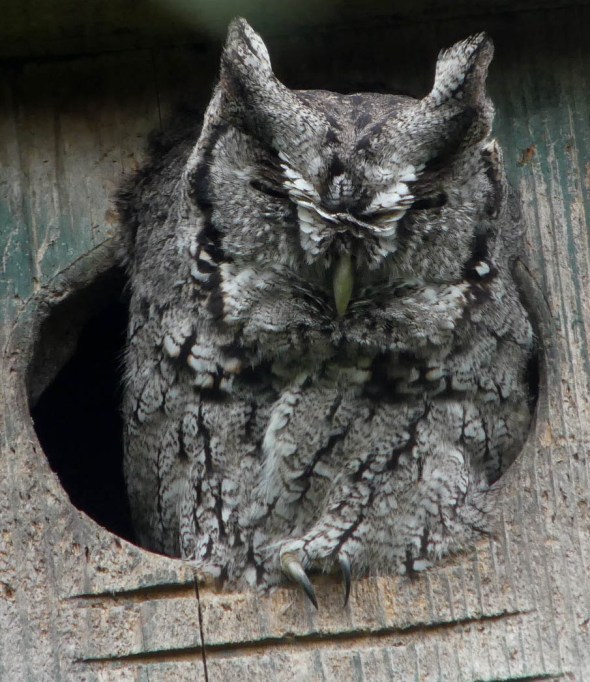
Screechowl20150117

Western Screech Owl – San Pedro River, Arizona

20150121_7774LEOwl2

Long-eared Owl – Delta, BC


South Texas

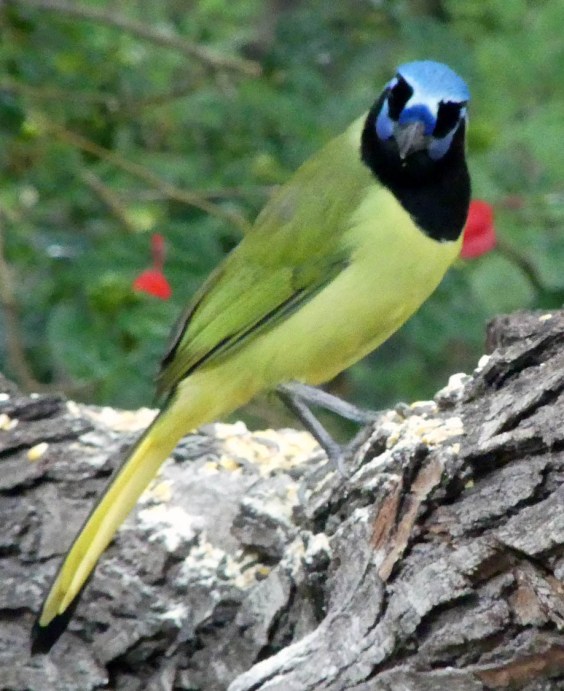
Normally I like to ramble on a bit, maybe even get philosophical. This time I think I’ll just stick to the photos, all of which I took when V and I were at the Rio Grande Birding Festival. Some great birds, including a Tamaulipas Crow, which was a life bird for me. Just like in the movie, The Big Year, we got it at the Brownsville Dump, even though Brownsville wasn’t part of the plan for the day. We just got lost and ended up there, like we were meant to see that small, rare, grackle-like crow. Isn’t birding fun?

AltorNo1517

Altamira Oriole

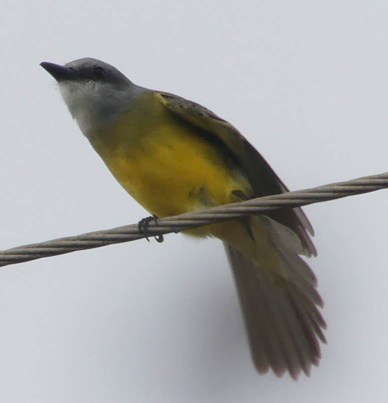
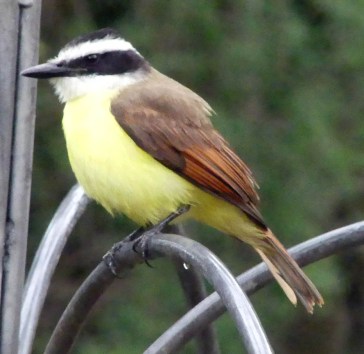
Tropkingbno1517

Tropical Kingbird

SnoyegrtNo1517

Snowy Egret

LBThrashNo1517

Long-billed Thrasher

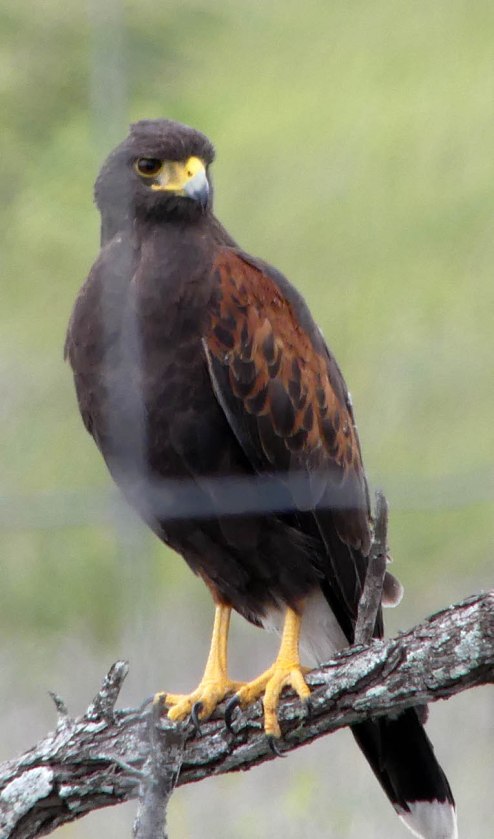
HarHwkNo1517

Harris’s Hawk

KiskNo1517

Kiskadee

ScrhNo1517.jpg

Eastern Screech Owl

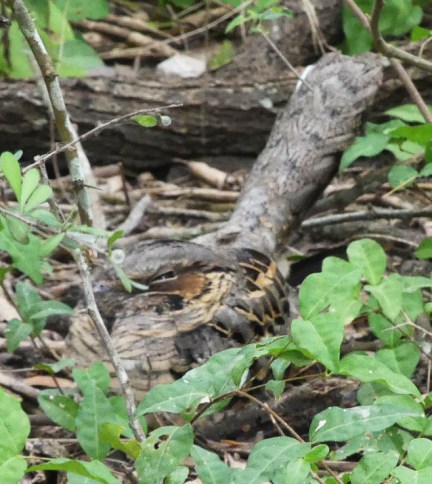
Paraugno152017

Parauque

LBcurlNo1517

Long-billed Curlew

GrnJyNo1517

Green Jay

TCrowNo1517

Tamaulipas Crow (from across the Brownsville dump)


Birding Lake Erie 1

Solsanpoc32017

Solitary Sandpiper

It’s early October (almost a month ago now). We leave Leamington, the ketchup factory and Point Pelee behind and head for Hillman Marsh. I once visited there in spring, when broad expanses of apparently deep sloughs were packed with waterfowl. The ponds are seasonal though as we now discover and two very loud tractors trail hay mowers over the once marsh, kicking up dust, screeching and clanking. Today, birding here seems out of the question. But then a surprise.

Seemingly unfazed by the heat and the racket, a Solitary Sandpiper works the edges of a tiny creek, slowly, stately. Such a beautiful bird. We keep our distance, snap a few pictures and leave her to her business. Other than the Solitary there isn’t much to keep us here. Besides, there’s been a flock of American Golden Plover reported at Mitchell Wetlands. It means a jog to the north but I need the bird for my list.

Mitcwetsviewoc3

Shorebird Heaven

Mitchellpondsoc3

Mitchell Wetlands

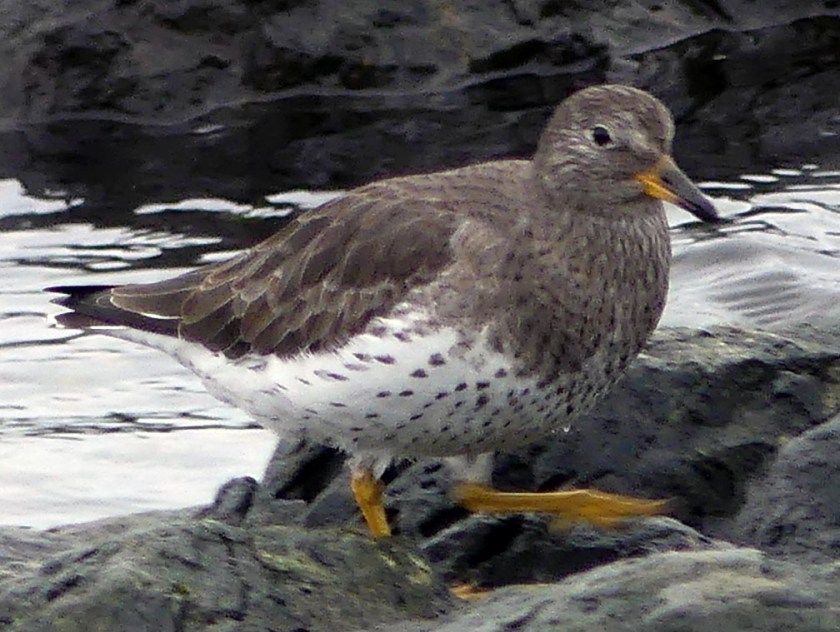
Mitchell Wetlands are actually part of the town’s sewage complex. The last time I visited, a stiff breeze from the primary treatment ponds made my eyes water. Today, the light breeze is in our favour, thank goodness. It’s idyllic. The marsh is full of waterfowl. honking, hissing, quacking. Lots of shorebirds too —  Dowitchers, Yellowlegs, several Stilt Sandpipers, and scores of Killdeer. We spot the Golden Plover mixed in with, and noticeably smaller than, their Black-bellied cousins. Many of the birds are transitioning from their striking breeding plumage and into more somber garb. Interesting.

Goldplovr

Plovers

By now I’ve given up on getting good pictures. The light is as bad as it gets for photography and the birds are just too distant even for my FZ300 with teleconverter. With sewage ponds, it’s pretty well up to the bird to come to you as the reverse is just not possible — or desirable. After a couple of hours of birding the pond and the nearby woodlands, we move on to Stratford. It’s getting late. A non-fast food dinner would be nice and maybe a show — Guys and Dolls is playing. Tomorrow morning, we’ll be birding again, heading back to the Lake Erie and Niagara.

Pectsands0c32017Pectoral Sandpipers

Pectsandoct32017x

PSapproc3

How windy is it?

I can’t leave the topic of sewage lagoons without mentioning those at Exeter, Ontario, where I went in search of a White-rumped Sandpiper. As soon as I arrived, I realized the wind was not going to be my friend – it blew my hat off before I even got out of the car. Nevertheless, a target bird is a target bird and I soldiered on. On top of the dike, the northerly was so powerful that I could barely stand, let alone hold focus on my camera. And, good grief — what a stink!

There were birds though — most distant. Some are closer, like the dozen or more feeding Pectoral Sandpipers, with their abrupt bib lines and yellow legs. They’re one of my favourite shorebirds so it’s nice to see so many. That doesn’t happen where I live in BC. I did catch a glimpse of the White-rumped, and got another ‘tick’ for the year list but, gosh, I earned it.
 

October Pelagic

Trialis)c152017

Race Rocks Light

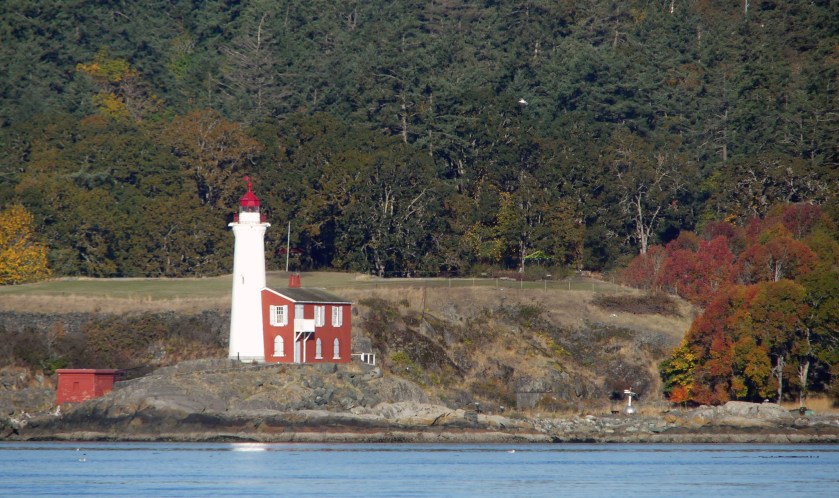
It’s an easy cruise today – a flat sea and mild temperatures. I’m not expecting to see anything remarkable as it’s late in the year for migrants and we’re not going very far from shore. The October day is gorgeous. Our dry summer and fall have resulted in more leaf colour than usual this year, a beautiful backdrop for the old Fisgard Light.

Fisgardoc152017

Fisgard Light

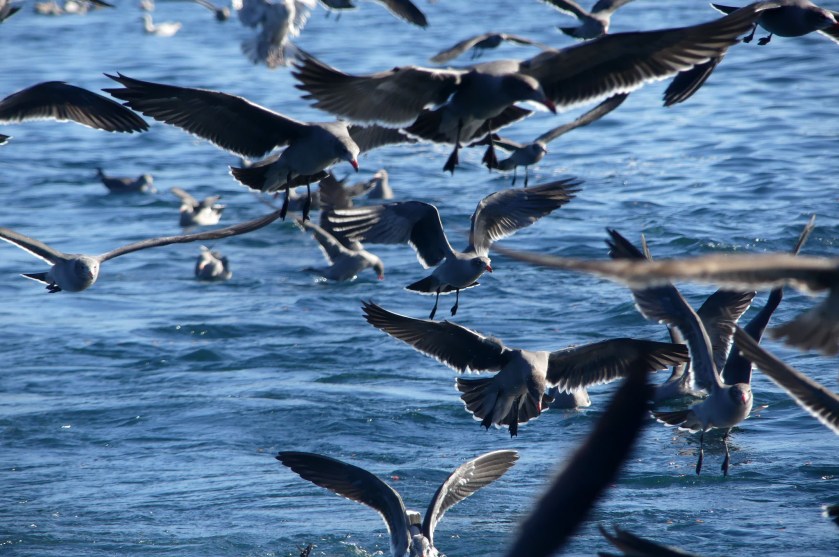
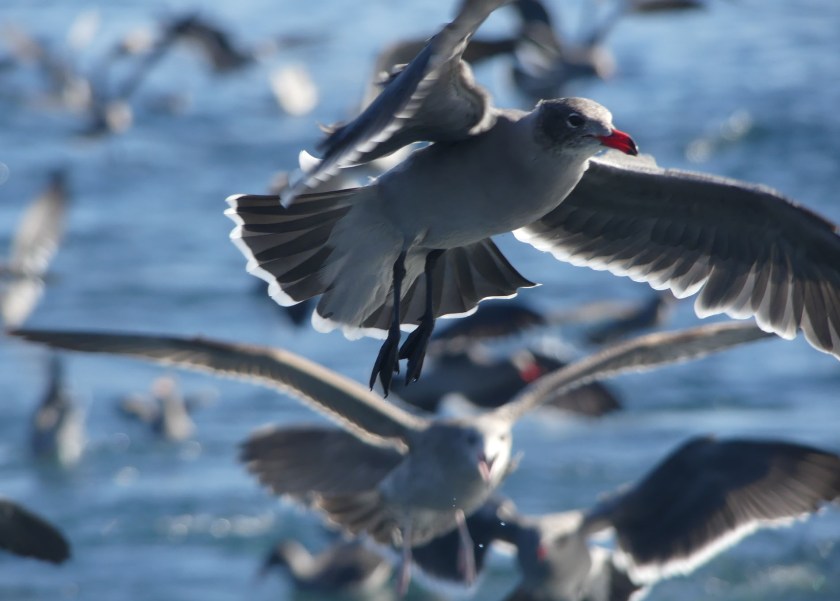
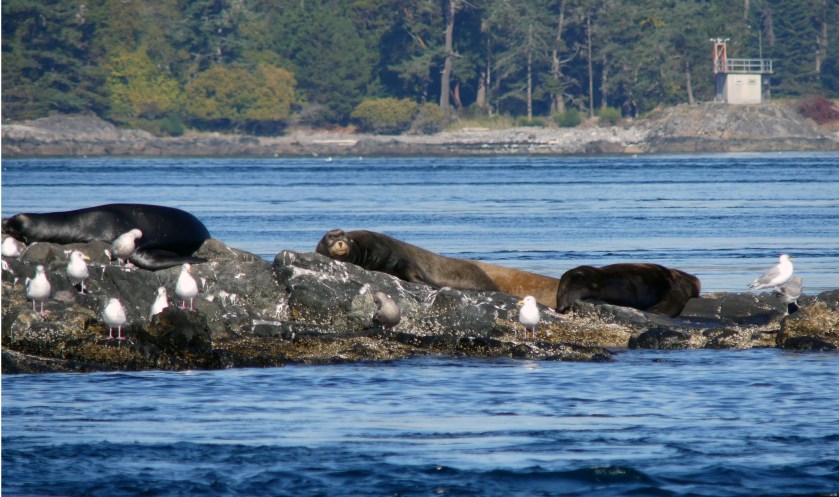
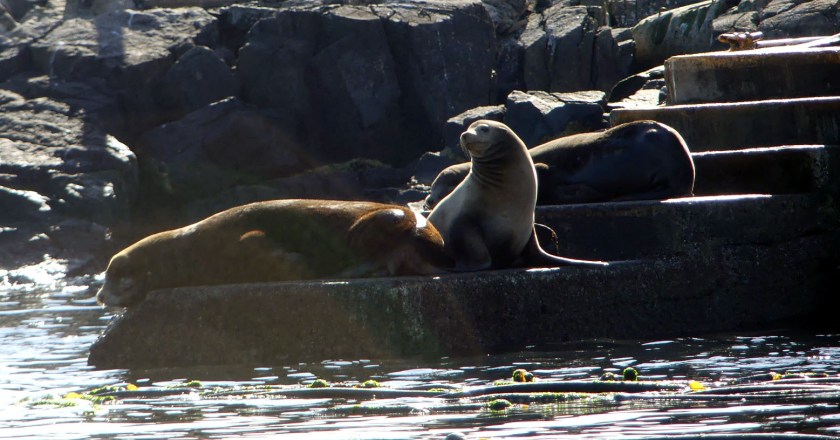
We smell Race Rocks almost before we see it. The island is a wildlife sanctuary, home to many California and Steller’s Sealions, as well as a few Elephant Seals. Dozens of very large marine mammals cohabiting a small island really do perfume the air! The Californias are noisy too, barking at each other constantly, even when they’re in the water catching salmon. We motor on, trailed by Glaucous-winged, Bonaparte’s and pretty Heermann’s Gulls picking off the dog chow we’re using as chum.

Sealsalm1Oc152017

The Salmon I wish I’d caught

HeermsgllOc152017

HeermanGul)c152017

Heermann’s Gulls

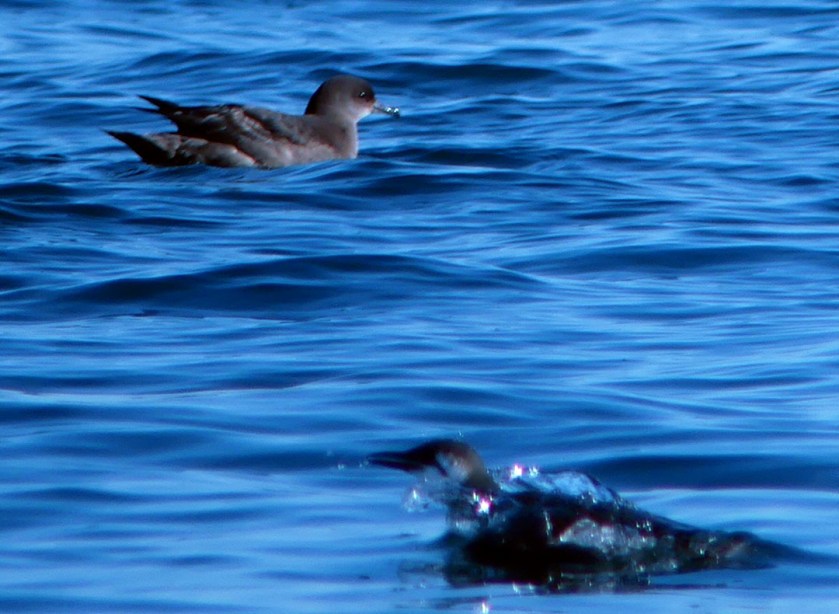
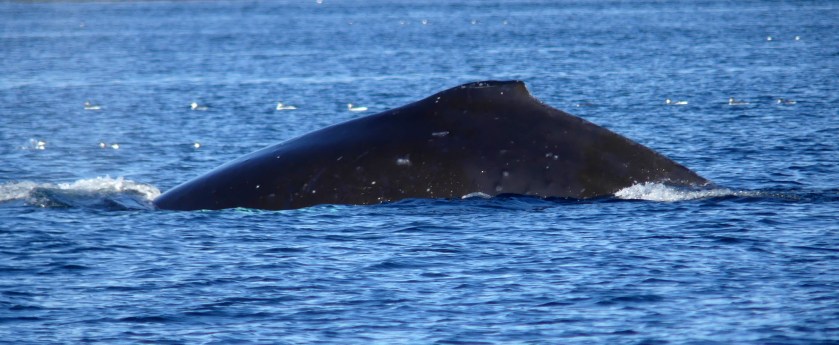
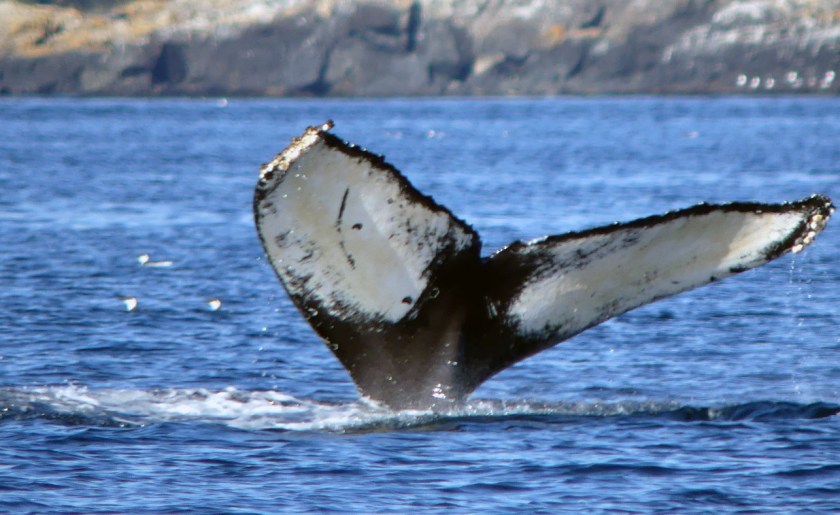
Circling the rocks, we spot Marbled and Ancient Murrelets, Common Murres, a single Sooty Shearwater, and a few dozen Rhinoceros Auklets. Above Beachy Head, Turkey Vultures and Redtail Hawks ‘kettle’ ready to make the short flight across the Strait of Juan de Fuca to Washington State. On the way home, a couple of Humpback Whales appear. One sounds, flukes up and the other moves off. As I put down my camera and pour a coffee another whale breaches not far from the boat. It would have made for a spectacular shot. It was ever thus!

AncmultOc152017

Ancient Murrelet

SShearOc152017

Sooty Shearwater and Common Murre

SealionsOc152017

SealnsOc152017

More Sealions

HMpbkOc152017

HbwhlOc152017

HBwhale2Oc152017

Humpback Whale