History, Birds, and Wine: Bordeaux and Saint-Émilion

Eurasian Blackbird

It seems like a long time since I posted, but I’m back. Lots to report too.

Late April, 2023

After a pleasant and interesting few days in Barcelona, we caught the train to Bordeaux. The train skirts the Pyrenees, and follows the Mediterranean coast to Narbonne, Roman Narbo, a town I wish we’d had more time to explore. Then the line cuts sharply left- the route forms a right angle.

The coastal marshes speeding past the windows of the train are famous birding locations. Even rocketing along on the TGV, one can pick out quite a few species. There’s a trick to it, mostly looking well ahead and focusing on a group of birds until they pass.

No birder can pass these brackish flats without at least trying, despite the resulting headache. So, the list: Common Shelduck, Greater Flamingo, Slender-billed Gull, Yellow-legged Gull, Grey Heron, Little Egret, Eurasian Marsh Harrier, Eurasian Kestrel, Eurasian Magpie, Mute Swan, Pied Avocet, Eurasian Oystercatcher. These at the Salines de la Palme and the Grau de la Franqui. No photos, of course. You’ll have to take my word for it, but I won’t blame you if you don’t.

A quick stop in Narbonne to change trains, and then we’re off to Bordeaux on the fast train. I expected to see lots of white Storks en route, but there was nary a one.

Our apartment in Bordeaux was a bit of a surprise both in terms of location and size, but at least it was close to the laundromat so we could wash our clothes. We rubbed shoulders with the undergrads who, by the way, were very helpful.

The next day we picked up our rental car on the edge of town. Finding our way back to our lodgings from there, and solving the mystery of the underground parking garage,made for an interesting morning.

Our stay in Bordeaux had to be short, just three days. We ate some great food, drank some of the region’s luscious wine, had a thoughtful gaze at the charred doors of the city hall (Palais Rohan), suddenly famous after the riots over government policies earlier in the year. We visited the underwhelming wine museum, and strolled the famous river front too. Other than Rock Doves and Mallards, we saw precious few birds in Bordeaux — Common Swift, Eurasian Blackbirds, a Serin, Common Wood Pigeon. Not enough time to look, really.
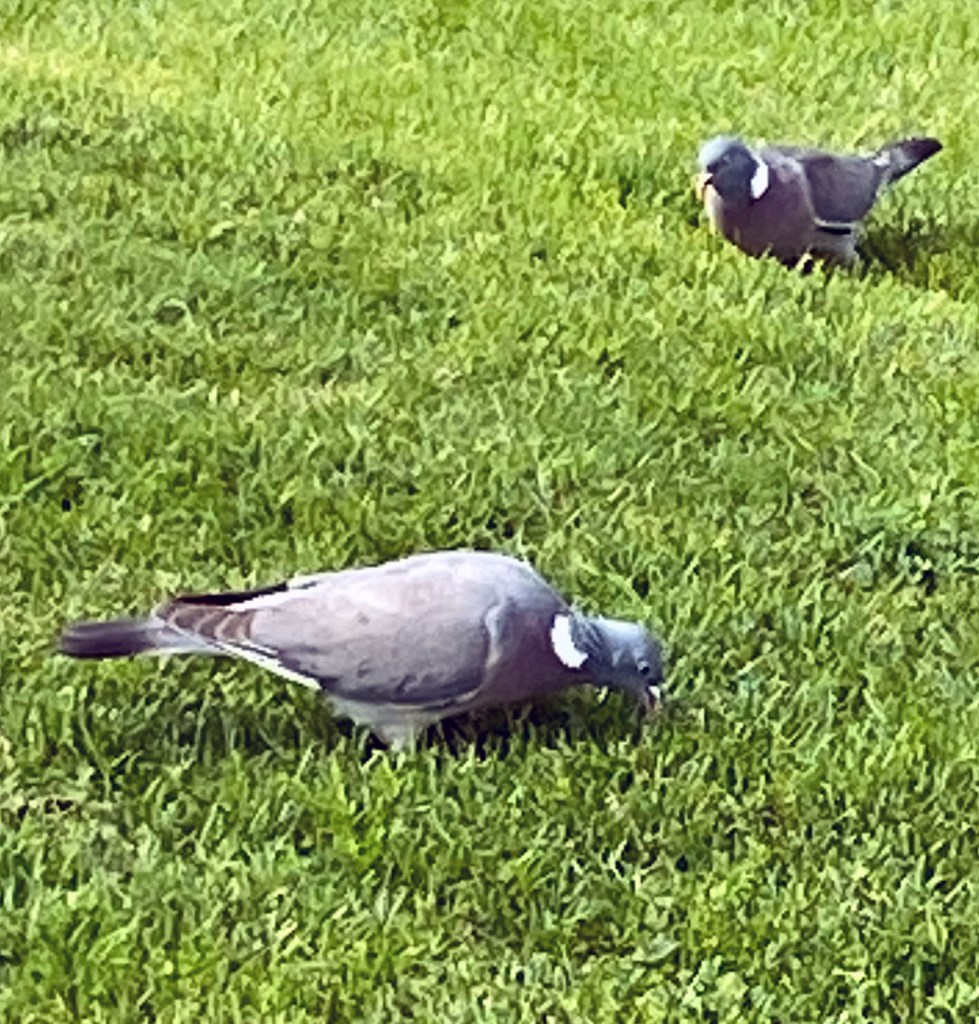
Wood Pigeons
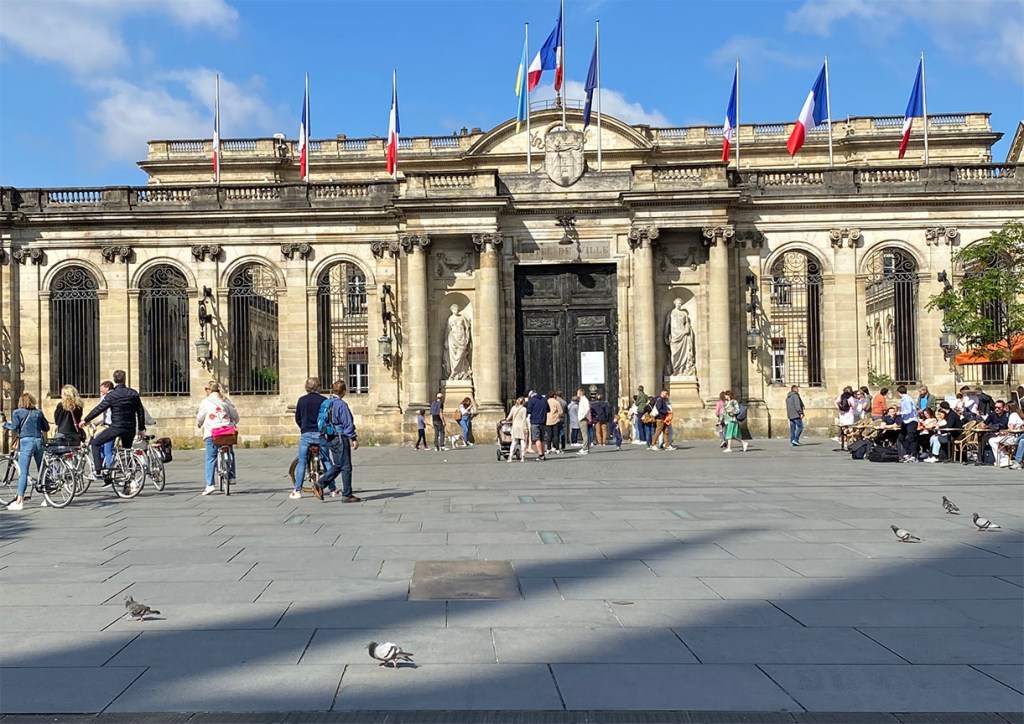
The Palais Rohan

On Sunday morning we freed the rental from the bowels of the labyrinthine parking garage, popping out into the narrow streets of the university district like Jonah from the whale, and then headed out. We planned to arrive in Périgueux on the River Isle in late afternoon. Saint-Émilion, that famous wine town, was, more on less, on the way. To go to the Bordeaux region and not visit this famous village seemed unthinkable.

The charred doors of the Palais Rohan (city hall)in Bordeaux, set on fire during protests against government policies.

The gray morning turned bright and warm (briefly) as we left the busier roads for narrower ones that followed the contours of lovely rolling hills carpeted with vineyards.

Our route took us past chateaux with very famous names we recognized at once, a somewhat surreal experience. Not the least of these was Château Pétrus, identified by modest signs marking the rows of vines that produce this extremely expensive Pomerol wine. No big showrooms and gift shops here. No need when a bottle of 2022 will cost you 6000 dollars U.S., if you can find one.

We didn’t attempt to visit the Chateau; I’ve been sneered at by enough Parisian waiters and other guardians of French culture to be able to predict the kind of look I’d get, even if someone deigned to open the door to our knock. Kind of like the look the Maître d’ of Club 21 in New York once gave my flip-flops.

Out of the car, the place was magical, the air still and fragrant with the scents of growing plants, of budding flowers, and of pale, buff-coloured loam; the fluting songs of Blackbirds and Wood Thrushes floated up from here and there along the rows. A Yellowhammer zoomed past, a mustard-coloured flash diving toward some choice spot among those old vines. Overhead, a Common Buzzard circled. If terroir makes a wine, as it must in large part, then we are experiencing it, at least in the only ways we could afford. Magical!

Château Pétrus: In the movie, Sideways, Miles refuses to drink any “stinking Merlot”? Too bad. Pétrus grows only Merlot.
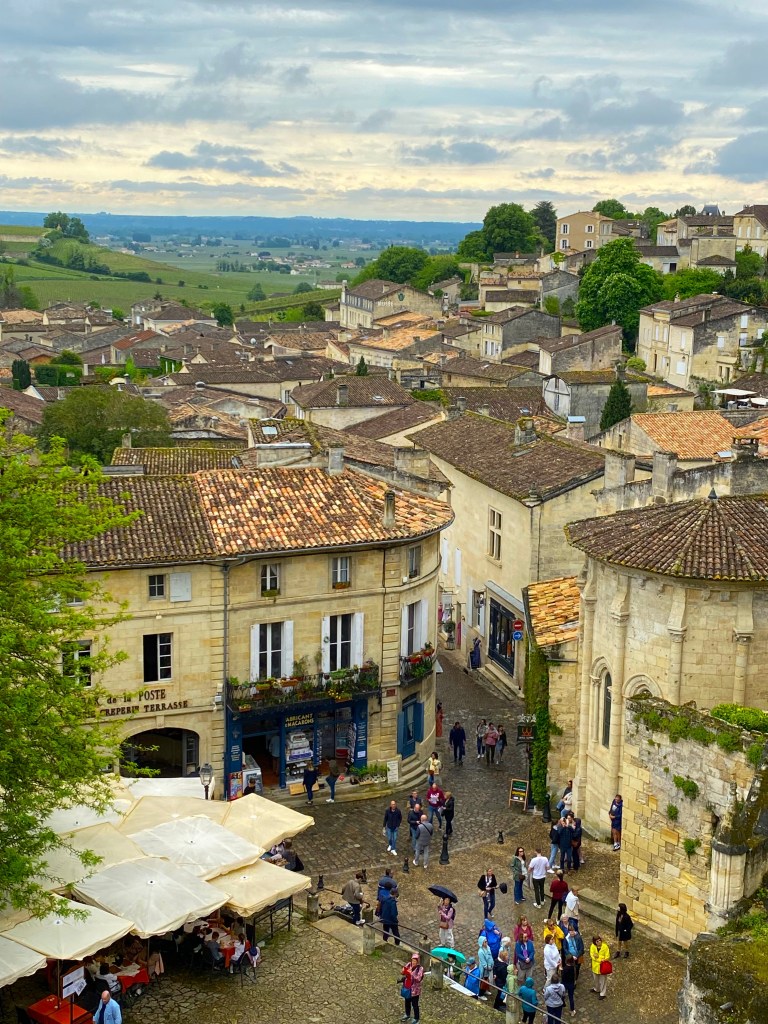
Saint-Émilion, on a cool, slightly rainy April day. Lots of wine ‘caves’ to drop into for a tasting.

Saint-Émilion was busy and parking was a challenge. A bright day, as I say, and generally true, except for an the occasional shower. A bit cool when the clouds hid the sun – I had to buy a warm vest.

I can’t say that this famous village is unspoiled, but it tries its best. Saint-Émilion occupies a hilltop around which vineyards radiate like spokes on a wheel.

Like all tourist towns, this one has lots of places where one can buy things, but precious few reasonably priced eateries, especially perhaps, on a Sunday in April. Saint-Émilion was, and is I believe, also a stop on the old pilgrim route to Santiago de Compostela.

The medieval church is a must-see. It is dedicated to the saint (8th century, I think). It, and many other buildings, typify the solid stone architecture that often marks a successful, economically-viable French village with a long history. It doesn’t hurt either that this one is at the heart of one of the greatest vine-growing regions in the world.

Garafraxa

Garafraxa

exhales dolomite,

the dusk-deepening, stone breaths

of this steel-hard species of limestone,

where

Hart’s Tongue and rare orchids

survive in the cracks and crevices

of coral reefs marooned,

ages and ages past.

Of pre-things left behind

Now,

dampened under northern light,

and broken by northern ice.

I’ve seen limestone in other places,

hotter places,

where the rock

blazes white beneath the sun.

Pharaohs used to plate their tombs with limestone

pyramids made white-bright with limestone

you could go blind from that limestone;

no one ever went blind from dolomite.


The Garafraxa Road loops over the old reefs,

a ragged ridge of tomb-grey skeletons,

once swarming stuff

that hated winter and hated ice

waiting, without patience, until the poles move

little by little,

hoping,

perhaps, that

when all of us are gone,

the warm oceans will return

to drown these fields

where, for a hundred years,

farmers’ children stooped a thousand, million times

to fill stone boats,

to build stone fences,

around their Garafraxa farms.


I had a friend once, killed by dolomite.

He fell, and a great squared tower stone

fell after him, and crushed him.

In those casual days

such things happened more often,


Towers built by forgotten men

to burn rock

into lime,

abandoned,

square towers made of blocks

of dolomite,

all loosened through age,

standing like castles.

Richard, climbing there in the evening, alone.


His father tied him to a wide plank, I heard,

and, harnessed to it, dragged his son home

desperate against death, long ago.


Afterwards,

stonemasons took those towers down

to save other boys from falling

the fatal blocks cut up and used,

no doubt,

for tombstones,

in the cemeteries,

along the Garafraxa Road.

MC 2021

Avenida Quinta

The window sashes, once eggshell white,

have faded to cracked and curdled cream.

Memories of Moorish Spain

sleep in the peaks and arches of these windows,

now softened by time and the Caribbean salt air.

Likewise, the stuccoed walls,

tagged with graffiti,

assaulted by lianas and ficus,

have crumbled in places.

The gate of sapote wood gleams darkly solid

In the bright Mexican morning,

while an aggressive sun bleaches the lesser wood to spectral gray.

Not long for this world, this old queen of the avenue

Succubi of broken masonry and twisted rebar surround her,

ravenous building lots, chewing up the old ways

and disgorging money.

She waits her turn, a still substantial ghost,

one of the walking dead, so to speak,

half-hidden by those walls

 with their cascades of bougainvillea—

scarlet, foam-white, shocking pink.

The polished gate still protects one sanctuary,

a vain hope,

like the studded door to an tenth-century English abbey

surrounded by Vikings.

Then, from within, an antique lock clashes,

the massive gate trembles and opens.

Two Maya women in embroidered huipils exit and open their parasols

The elder, her hair wound in a tight bun,

wears a heavy gold necklace and pendant earrings.

A shawl of watered olive silk loops under her right arm

and across her left shoulder.

A heavy jade bracelet flashes green on the arm of her daughter-companion,

Reminders of an earlier time,

these two,

Like nobility, taking in the morning air, on their way

to church, perhaps,

towards the clanging bell.

While,

elsewhere along the avenue,

bars and cafes rattle open,

and construction workers

buy their breakfast from bicycle carts.

MC, 2001

The Other Butchart Gardens

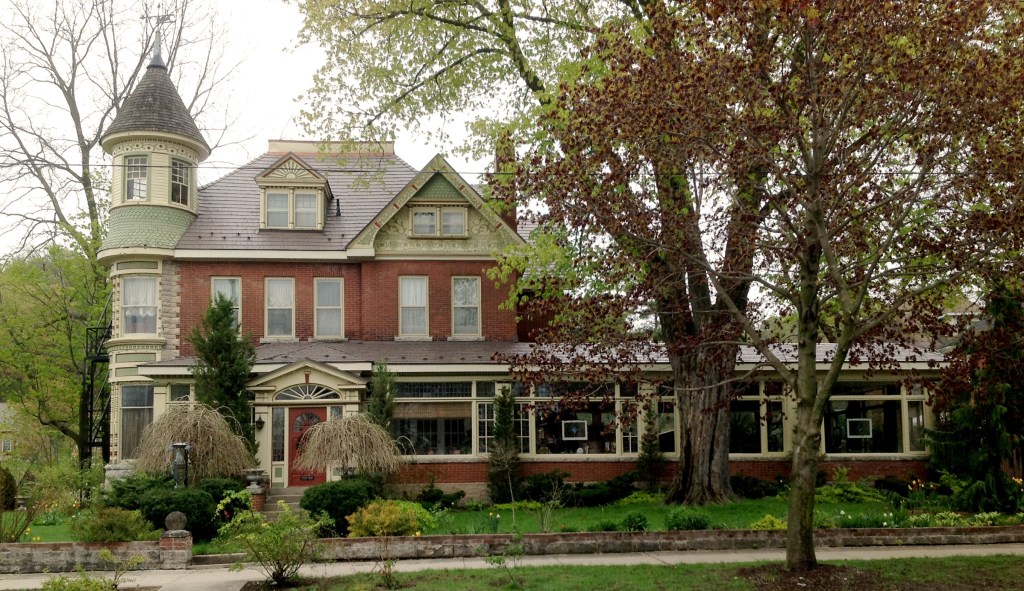
Butchart Gardens is famous, and it’s one of Victoria’s premier attractions. But I knew of the Butcharts long before I came west. The Butchart mansion on 5th Avenue in Owen Sound, Ontario, was a block away from my boyhood home. It had, maybe still has, an indoor swimming pool. I remember once tramping through the snow to the front door in the hopes that I might sell a subscription to the Toronto Telegram.

Even after many, many years, I can still remember smelling chlorine through the half-open door. I probably wondered what living in a real mansion would be like. To be able to take a swim at home rather in the the minuscule YMCA pool – that would be something! Of course, it probably wouldn’t have worked very well in our 2 bedroom apartment behind the factory, but I would have been up for a try. Incidentally, I don’t believe I sold a subscription. Nor did I ever see the inside of the grand house. The Butchards, I think, were long gone anyway.

The Butchard Mansion

Even then though, I knew about the Butchard Gardens, later called The Martins. They were a few miles out of town at Balmy Beach. It was a long bike ride for a 12 year old so I never got there. I hadn’t yet heard of the west coast version. No reason I should.

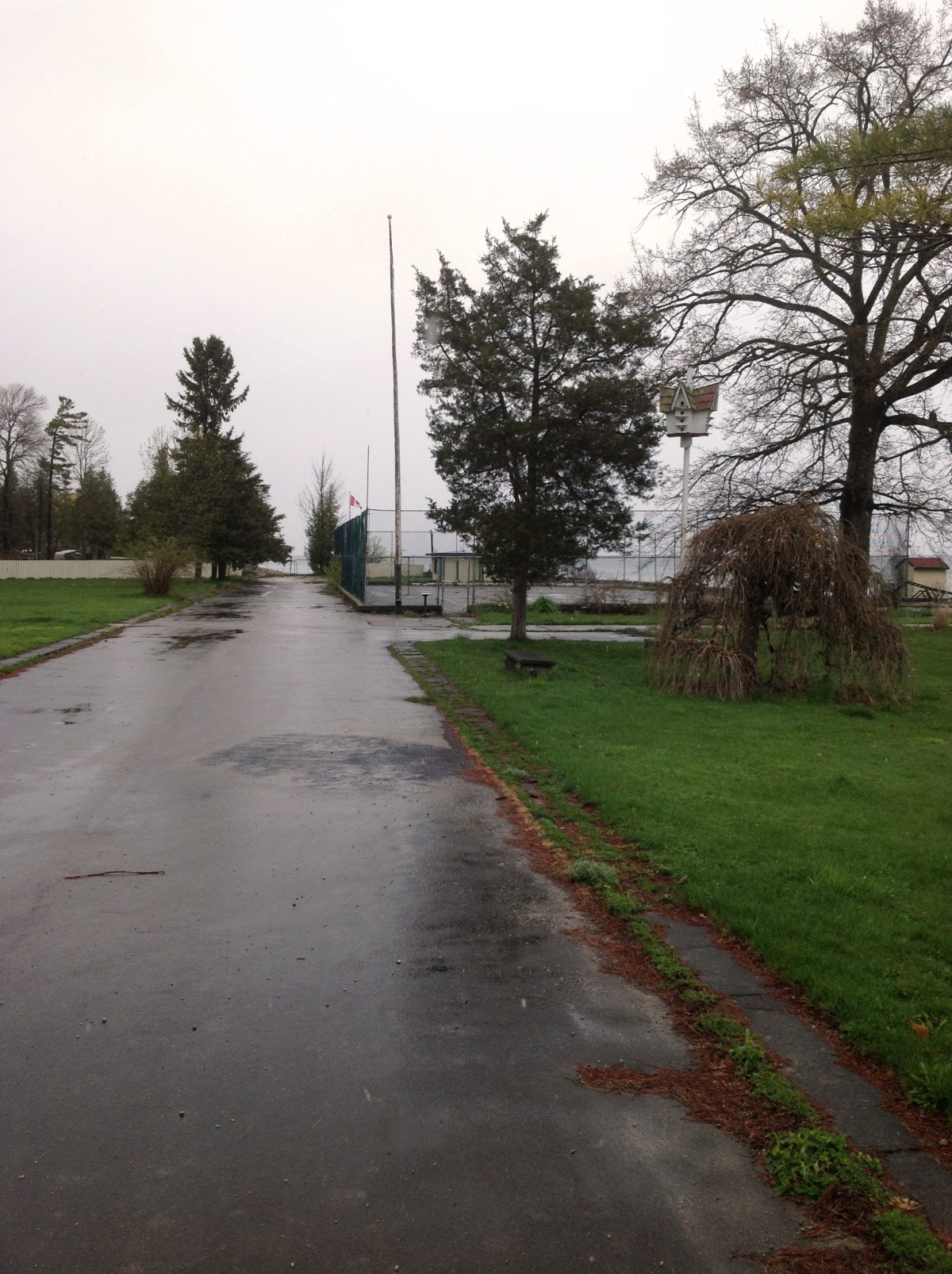
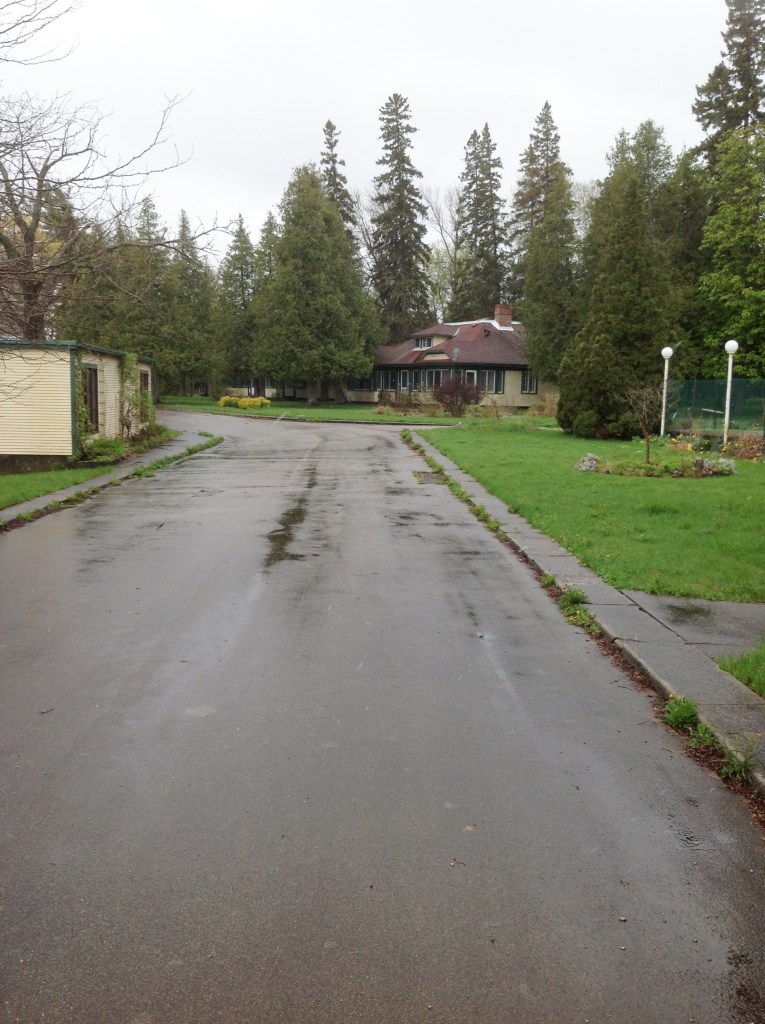
A few years ago, I finally visited The Martins. It was May. I was birding along the cobbley Georgian Bay shoreline and then, almost accidentally, I was there, walking among the ruins of a grand idea from another time. Half of the real estate had been stripped way by winter ice and freak high water, the there was more recent damage. Winter storms on the Great Lakes can be fierce.

Winter’s Fallout – The Martins, Georgian Bay

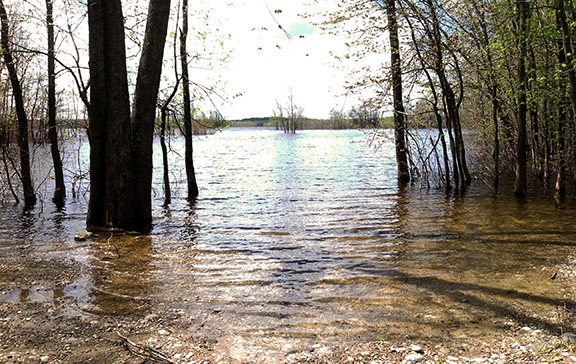
About the Butcharts. The brothers, Robert and David, were born in Owen Sound in the 19th century. They ran a hardware store on what is now Main Street (2nd Avenue East), and ranked among the town’s “contemporary and go-ahead merchants”. Solid, likely Presbyterian, moderately well-off. Then they found that marl from a nearby lake bed could be converted into cement, a product in great demand in Canada’s developing industrial heartland. The discovery was huge. Soon, the Owen Sound Portland Cement Company was making some of the best cement in the country. They also shipped the product in bags rather than barrels. This innovation made the Butchards wealthy.

Marly, no longer industrial, Shallow Lake

Rich now, Robert built the mansion with indoor swimming pool on 5th Avenue and lived there until he and Jennie left for the west in 1904. His brother David stayed in Owen Sound and built something grand too. I’m not sure which of the imposing west side Owen Sound houses was his. Jennie, of course, created the Gardens at Tod Inlet near Victoria, BC, but David also created a Butchart Gardens at Balmy Beach on Georgian Bay. I wonder about this family obsession with ‘Gardens’, and where the idea came from.

The Martins

In any case, the Owen Sound establishment, with its Italian Garden, Sunken Garden, tennis courts, swimming pool, and many other features, was an important tourist attraction until, one winter, unusually heavy lake ice carved away a big chunk of the property. After Hurricane Hazel destroyed much of the rest, the Gardens were finished.

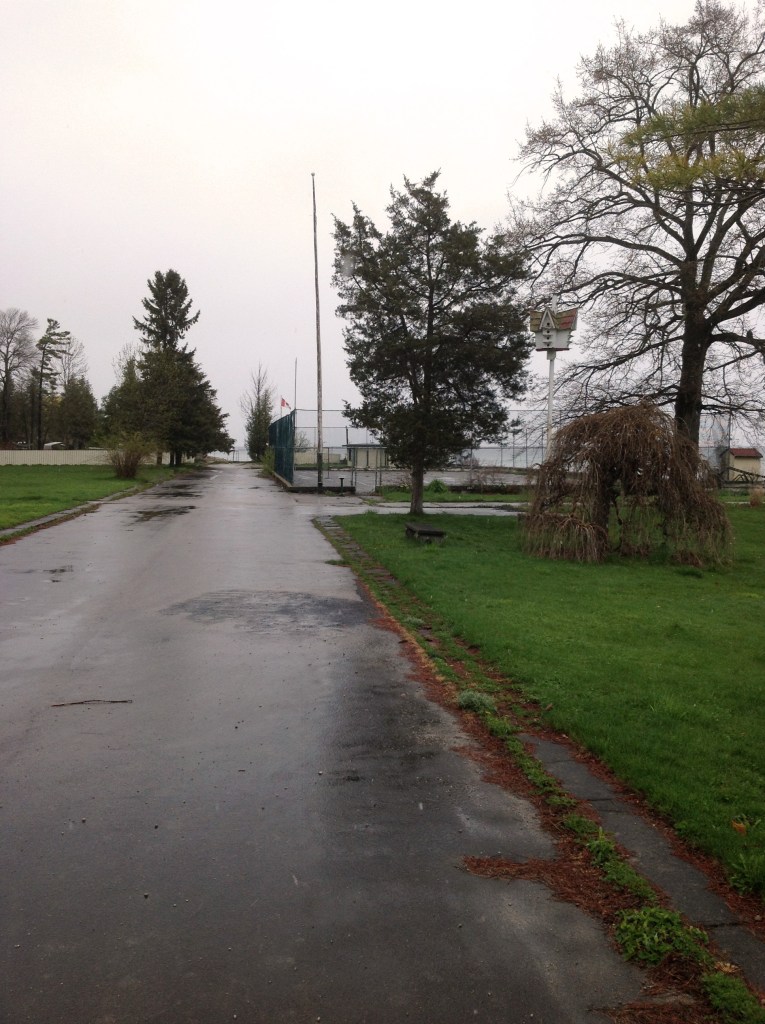
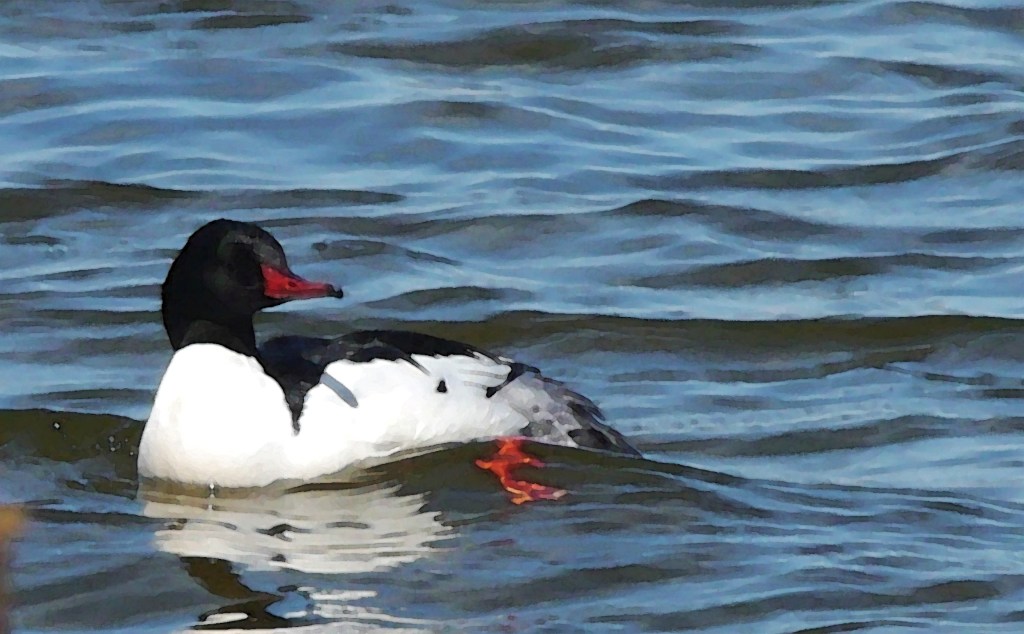
It rained while I was there. Forlorn, a strange, almost haunted legacy of what was once one of the country’s largest cement fortunes, it seemed the last glimmer of the Jazz Age world of the 1920’s. I suspect the property has now been developed; it certainly looked ‘ripe for the picking’. I’ll check on it next time I’m ‘home’. Since this blog is about birds, well, I saw only one on the property, a Common Merganser. The sun flashed out for a millisecond and lit him up, and then it started to pour.

Perseverance

Zeilin3Apr520

Spirit – after a month of digging

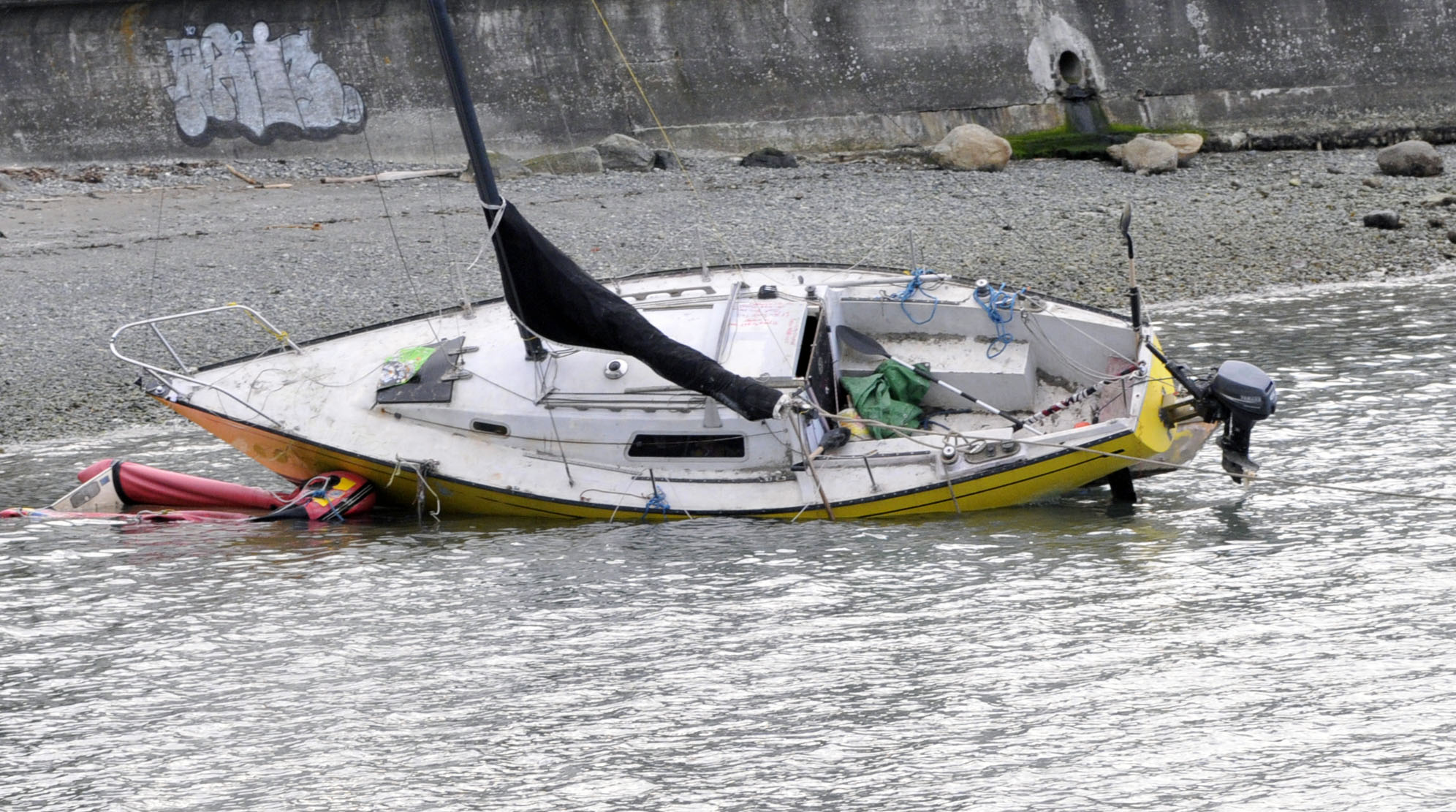
This time my post isn’t about birds. It’s a people story. It begins with a storm, a real doozy. Many of the boats in our bay dragged anchor, and moved. Of course, if your cable broke, there was only one way to go — onto the beach. Surviving that night would be tricky. In the morning, however, when the winds finally subsided and the tide ebbed, only 2 boats lay high and dry.

The little ‘Portuguese fishing boat’ was up near the curve of the seawall. Beautiful lines, high prow, white with blue trim. Eye candy out there, on calm evenings. A problem now for the owner. It turns out there is one, which is not always the case. Half of the boats are probably abandoned. The Portuguese boat was riding at anchor in a few days. Lovely. Back where she belongs.

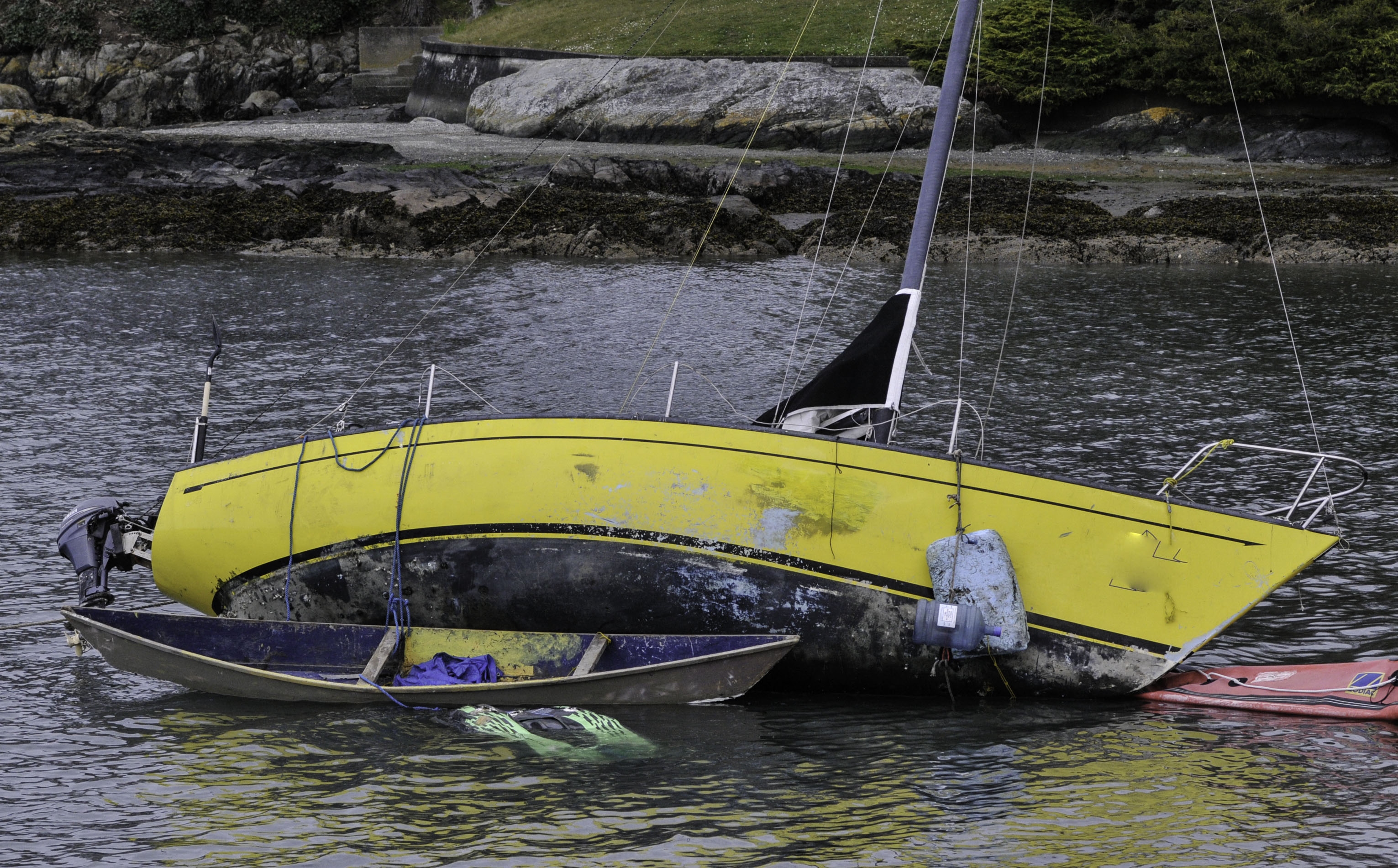
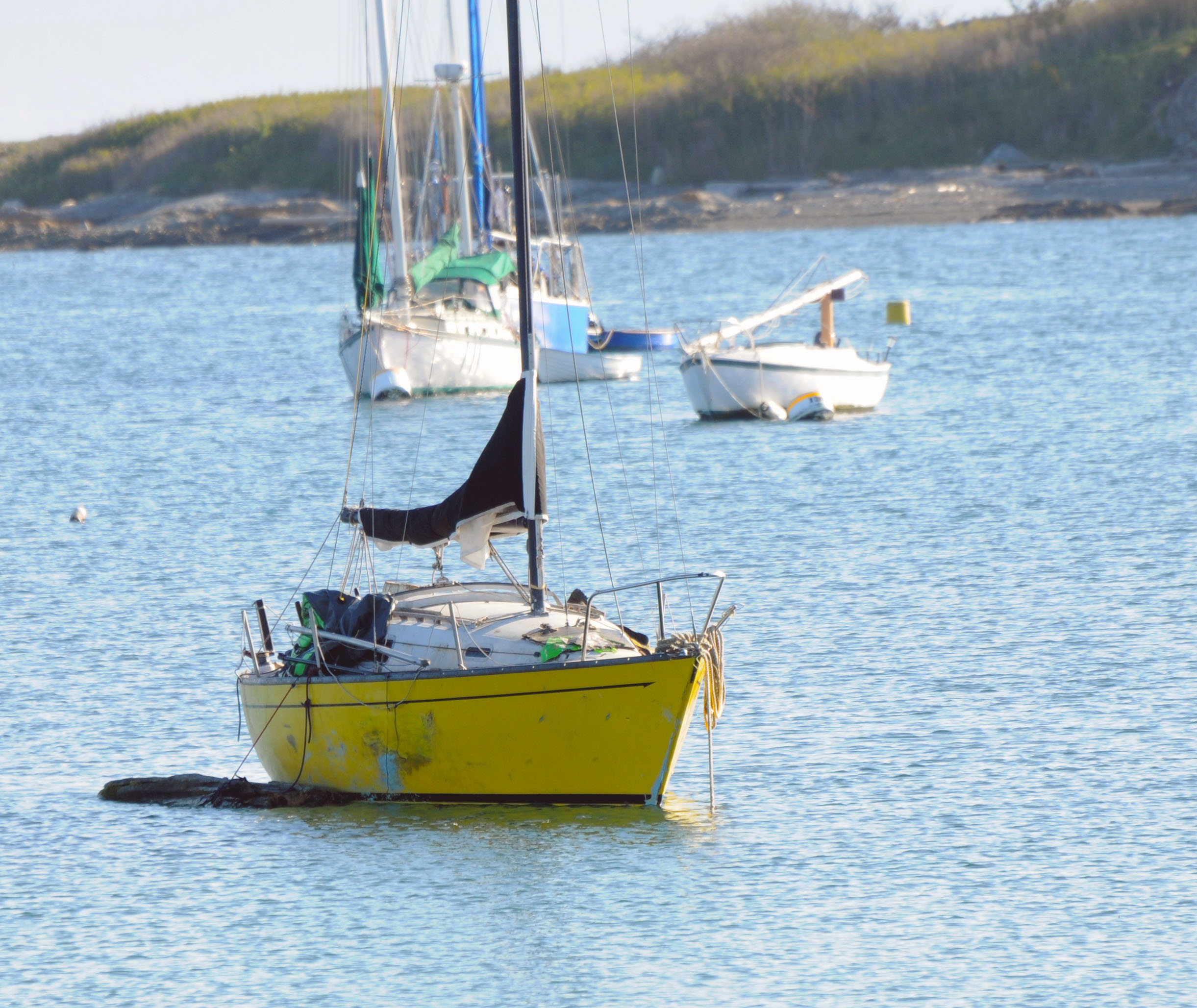
The yellow boat I’ll call Spirit was not so fortunate. Keel high and dry, and pointing in the wrong direction, the boat is too far from the waterline. No way it’s going to float again. Out in the bay, it made for a splash of bright canary and gave the scene ‘pop’. Up close, well.

Zeiln2Ap520

I’d seen a guy taking a 5 gallon bottle of drinking water to Spirit the night before the storm. If he’d stayed aboard through that, the experience must have been horrendous. Nothing happened to Spirit for a few days, but then the 5 gallon guy came back. He placed the figure of a seated Buddha near the bow, and got to work. He had a spade, a log fulcrum, some driftwood levers and ‘moving gear’– and a damaged wrist. He refused help. The pandemic was on, and he didn’t want anyone touching the boat.

BoatholeAp520

Boathole2Apr520

Boat Hole

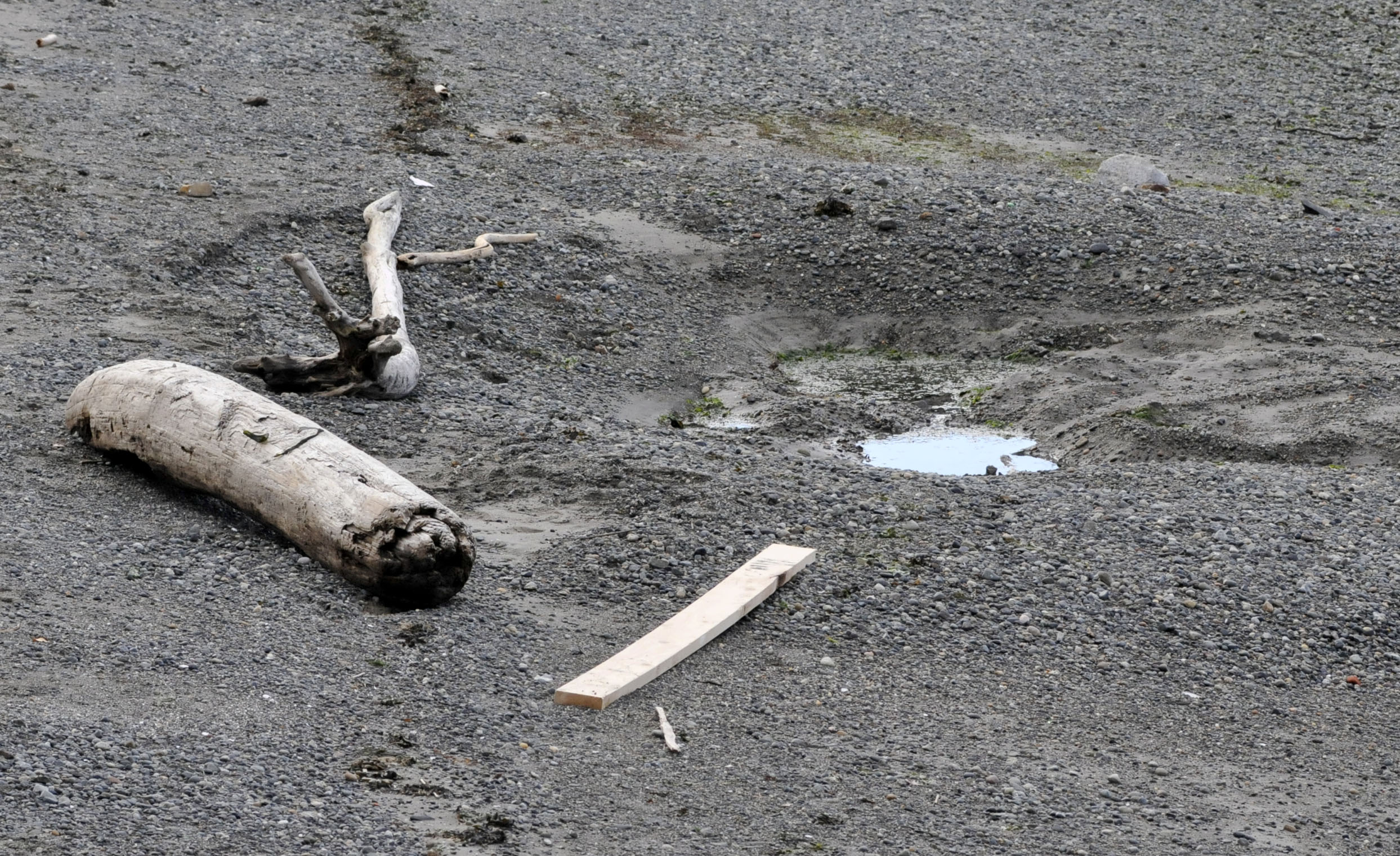
For a long time, not much happened. A month, or more, of digging every day, of watching the tides, of prying and bumping, resulted in a bigger hole. He was creating a slipway. He had to move, what, a ton and a half of boat. One guy. Impossible.

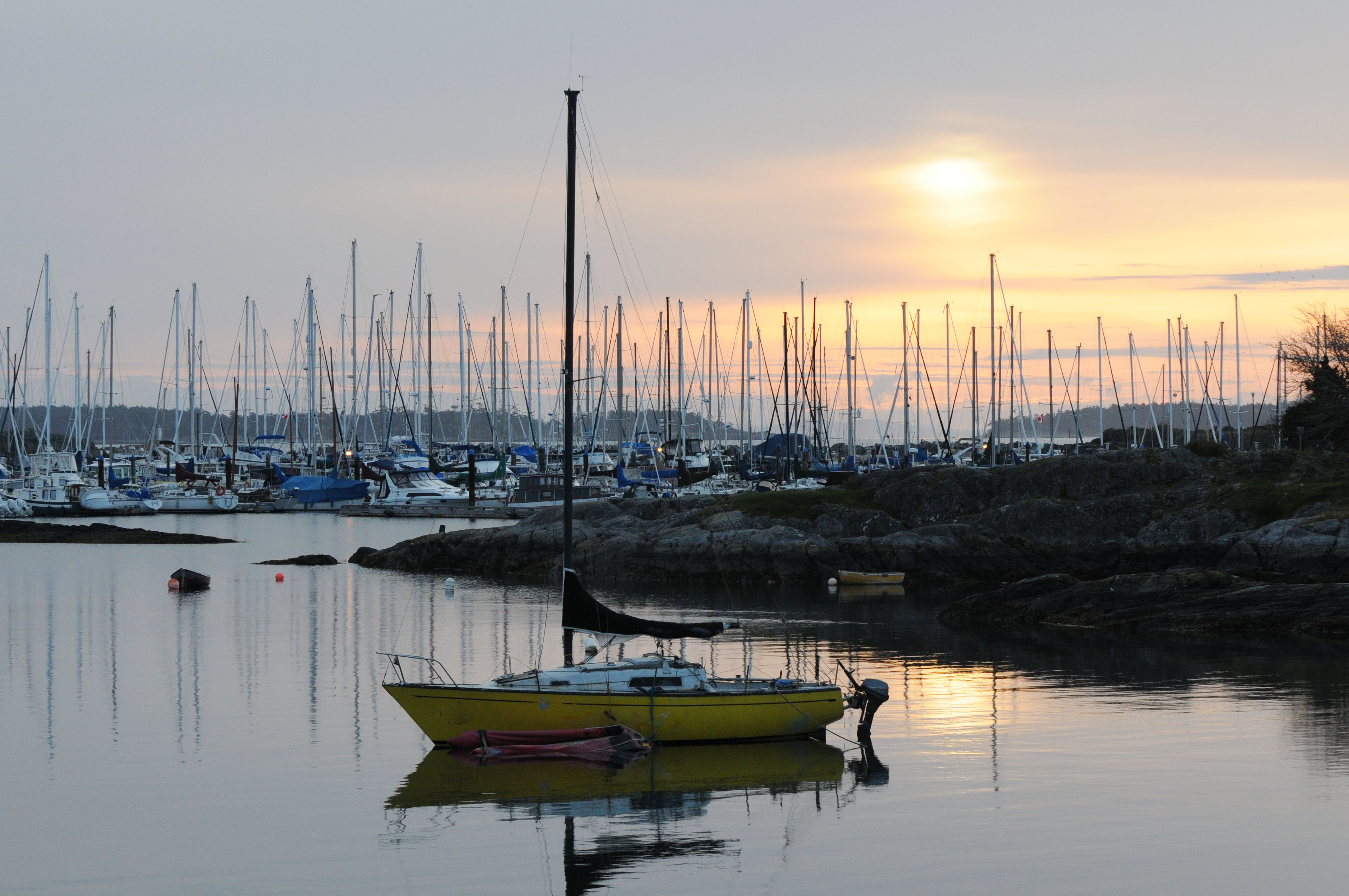
Then, one morning after a good tide, a miracle. Spirit did move and flipped her keel. Now, with a very high tide, she might get to the sea. And, a week later, she actually floated. Another week and she was off the beach. Not quite in deep water yet, but getting there.

ZeilinAp1420

I spend a month and a half rooting for the digger. I admire his spirit. He persevered to save his home. I’ve never seen someone work so hard, fight such ridiculous odds, under ridiculous circumstances. I guess it happens more often that I know. Perseverance is what humans are good at. It defines us. I always liked the Stan Rogers song, ‘The Mary Ellen Carter’. It tells a tale a bit like this one, about people getting on with it. Doing what they have to do. The song cheers us on when we face adversity — And Like the Mary Ellen Carter rise again…rise again. Good luck to you 5 gallon!

Zeilin6

Spirit – well and truly ‘off the beach’