Road Trip

LazbuntMay262017c

Lazuli Bunting – W.L. Finley Refuge

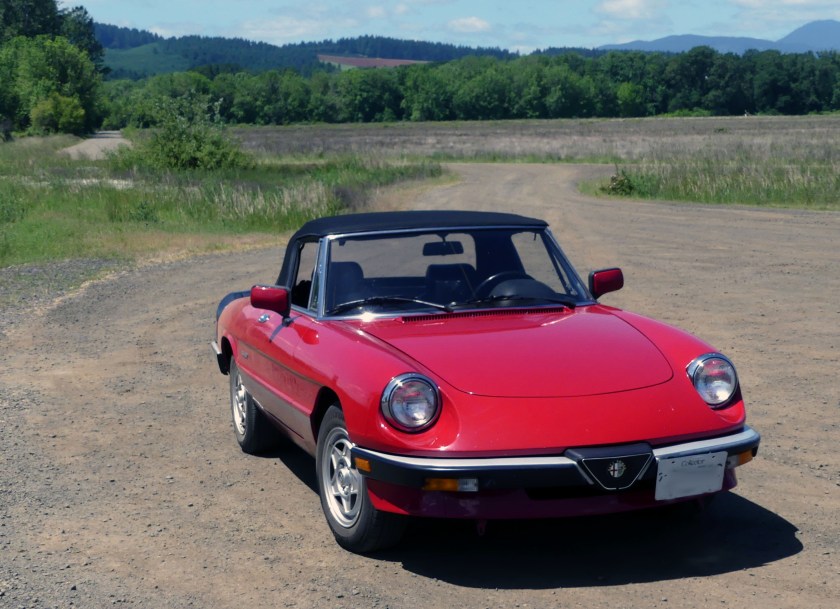
Once a year I take my 86 Alfa Romeo on a birding trip, usually to Oregon. My route this year, down I-5, though the Willamette Valley, up the Oregon coast and then looping back to BC, takes me past some of the best birding spots in the northwest – Nisqually, Baskett Slough, W.L. Finley, Fern Ridge, George Reifel. The car is sparkling and bright at the start, dust covered and bug plastered when I ease her into the her parking bay at home. What lingers is the remembrance of the joy of motoring through incredibly beautiful countryside, top down, listening to snatches of bird song, alive to the smell of blossoms, new hay, and the medicinal aromas of conifers — and of the wonderful birds I saw and heard along the way.

AmBittMay262017

Bittern – Fern Ridge Refuge

SandhillMay262017

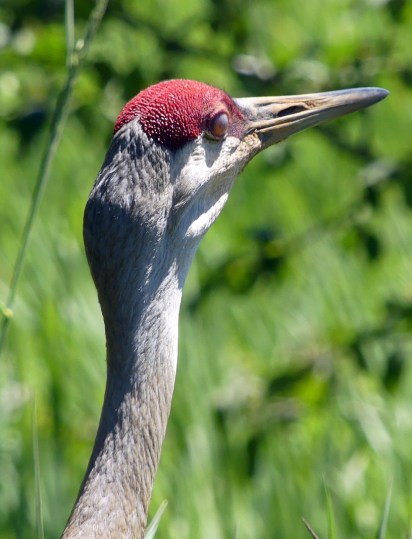
Sandhill Crane – George Reifel Refuge

GrosbkMay262027

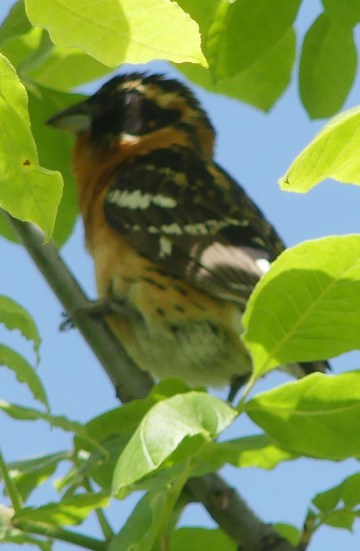
Black-headed Grosbeak –  W.L.Finley Refuge

Towhee3FinMay262017

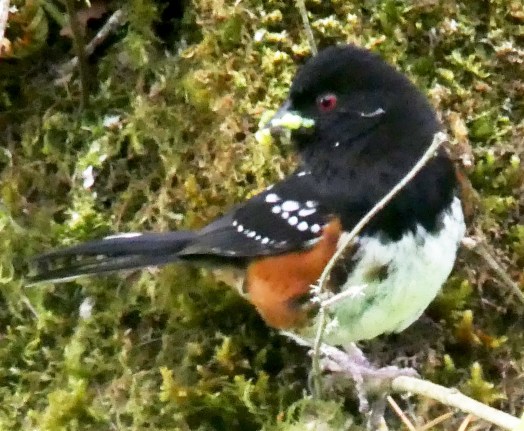
Spotted Towhee with Caterpillars

RedBrstsapMay262017

Red-Breasted Sapsucker – W.L. Finley

P1000119

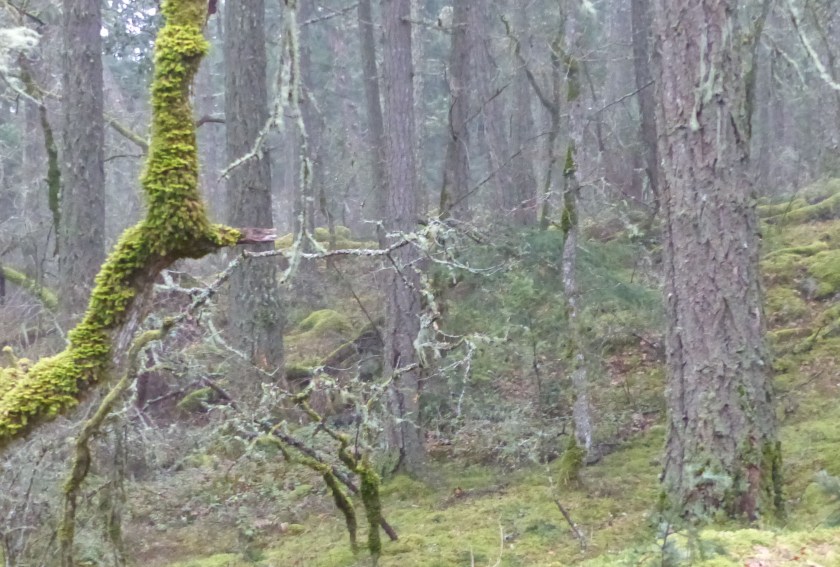
Live Moss – Fern Ridge

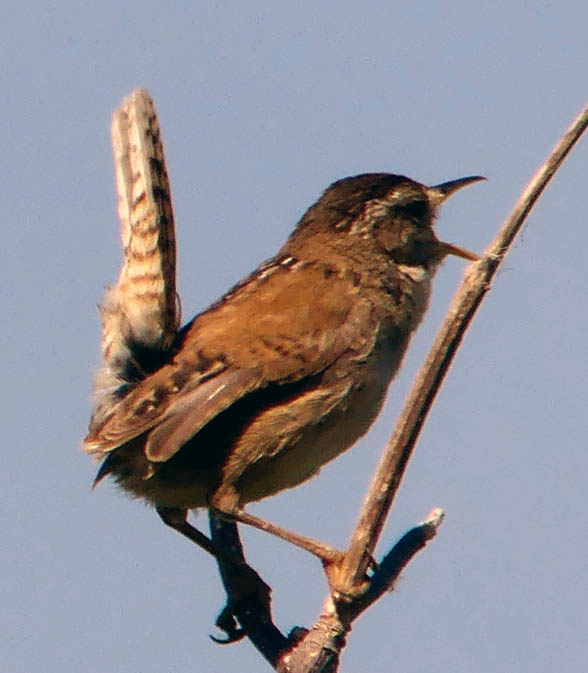
MarWrenMay262017

Marsh Wren – Nisqually

Alfaoregon.jpg

Alfa Bird – Oregon


In praise of Tyrants (flycatchers, that is)…


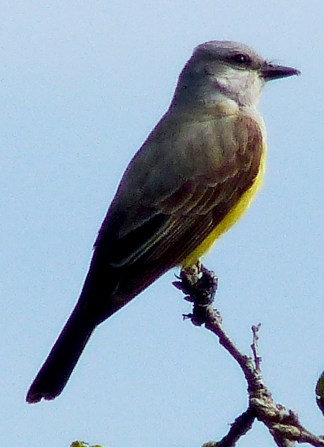
WstKngBrdMay192017

Western Kingbird -Victoria, Canada

After a month or so of searching the shrubbery for warblers and adding to my extensive collection of photos of blurred foliage and bare branches, the visit of a rare Western Kingbird to our area is a welcome relief. I had to search for it but when I found the bird, it wasn’t hiding. I really do appreciate flycatchers for not hiding. It’s a selling point. I’d tell them so if I could. Mind you, after the warblers, I’d say that about any bird that favoured an unobstructed perch and sat still for a picture. Getting a half decent shot of the Western sent me back into my files looking for other shots of flycatchers-phoebes, peewees, and kingbirds, tyrants all. A varied family too, with around 400 members around the world, of which these are just a few…

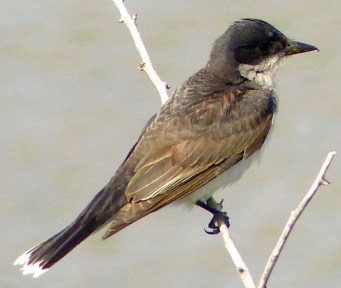
EastKingbirdjuly

Eastern Kingbird – Ontario, Canada

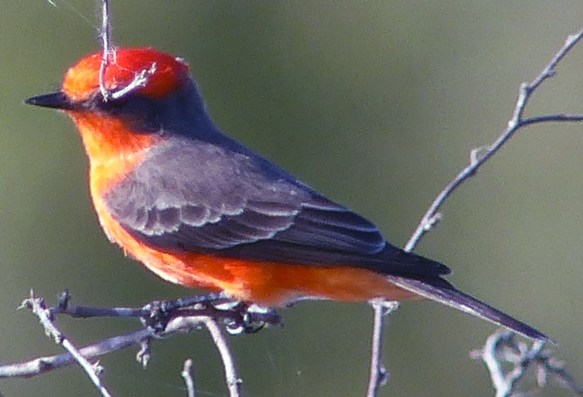
VermlFlYno22016a

Vermilion Flycatcher – Texas

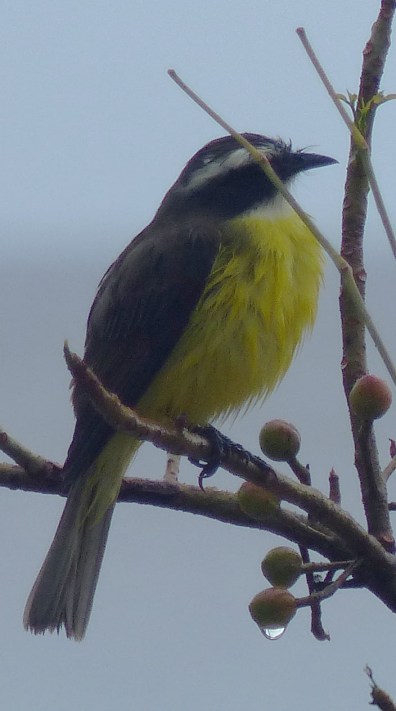
KiskaDec42015

Great Kiskadee – Mexico

SaysphoebeJan172015

Say’s Phoebe – Arizona

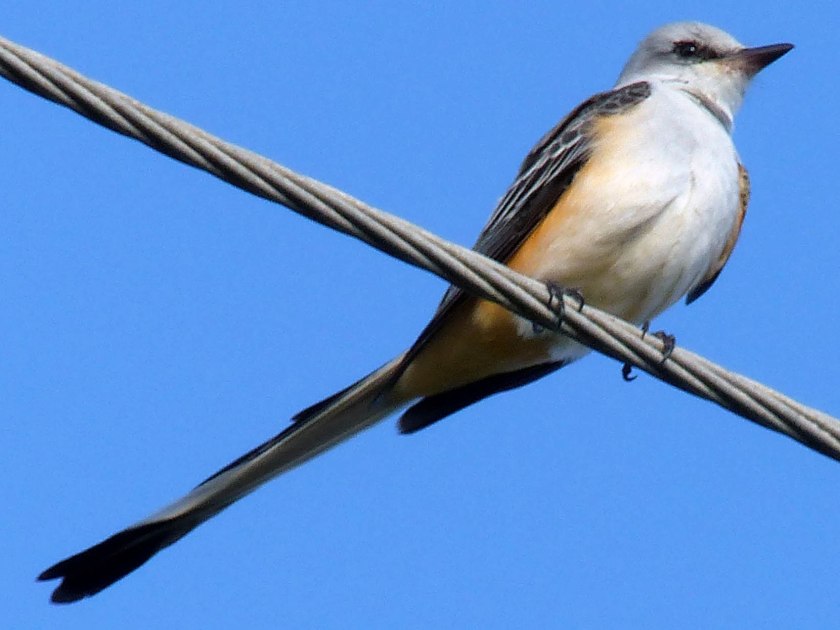
ScissflyNov42016

Scissor-tailed Flycatcher – Texas

Panama Flats

I like the name of this birding hotspot -Panama Flats. I’m surprised a blues artist hasn’t picked it up. And now, singing ‘How come my dog don’t bark when my best friend comes around?’ is the legendary Panama Flats! But I digress. This is a birding blog after all and the ‘Flats’ are, instead, a series of flooded fields that attract waterfowl and shorebirds in the spring and late fall. A very pleasant, quiet place to be on a warm May morning like this one.

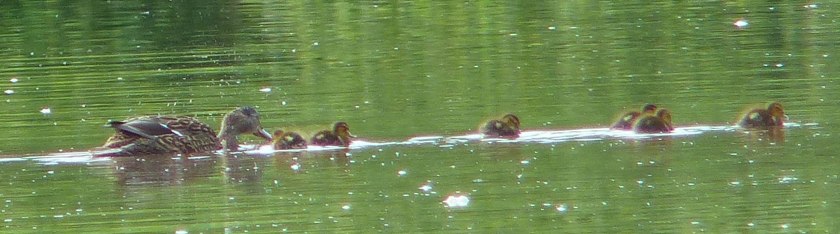
DucklgsMay182017

In a few months, the land will be dry, plowed possibly. Water birds that nest here, like Mallards and Canada Geese, have to getting cracking (sorry) early in the year. Today, dozens of ducklings and goslings are following their mums around, learning the ropes.

SpotsandMay182017

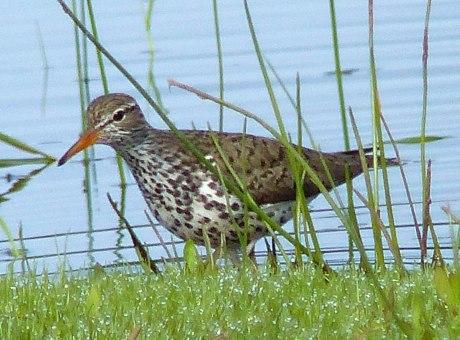
Spotted Sandpiper

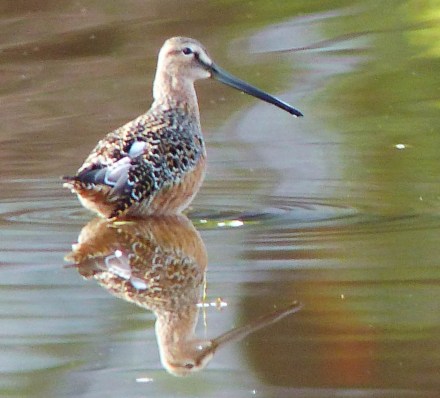
I’m here for a Pectoral Sandpiper, which I see briefly soon after arriving-on its way out, heading north I guess. Not so, the Spotted Sandpipers, actively displaying and chasing each other around the edges of the ponds, carried here and there by the staccato beats of their short wings. A Long-billed Dowitcher, stalking the perimeter surprises itself when it spots me, angling off into a swarm of young Mallards. I’m not fooled, not with that beak.

DowitcherMay182017

Dowitch3

Long-billed Dowitcher

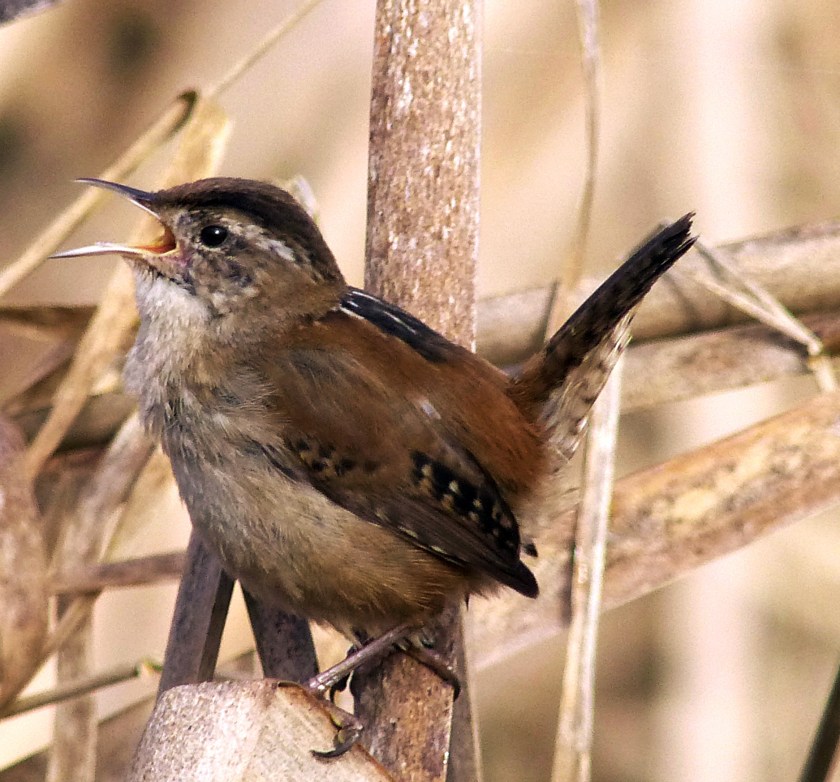
I follow the dykes between the ponds, balancing on the planks and bits of scrap wood people have used to span the cross ditches. A Marsh Wren scolds me from the cattails, a complex series of chuckles and buzzes. Quite charming – if they did but know it.

Marshwren2

Marsh Wren

As the day warms, Barn Swallows appear, darting around after insects. A glossy Purple Martin crisscrosses the larger pond, the distinctive half flapping, half-gliding flight style an added giveaway. A Common Yellowthroat sings his ‘witchity, witchity, witchity’ nearby, looking handsome with his white forehead, black mask and lemon-yellow throat. Forget the blues. It’d be hard to write a good, downer song here, today.

ComYellwthrt2

Common Yellowthroat


Powerline Birding

GoldHGHTSMay82017

The Olympics

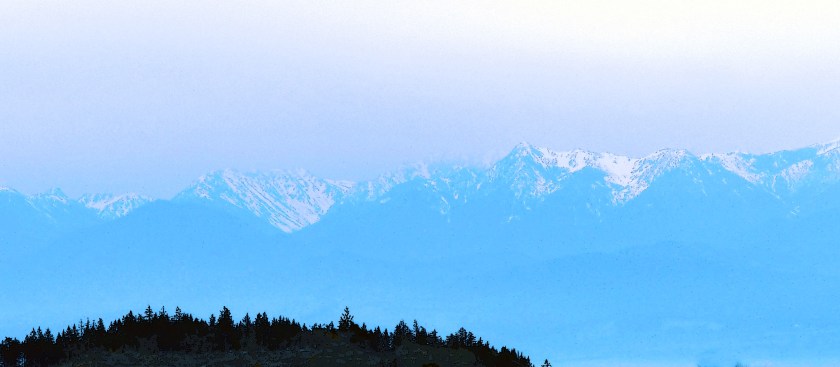
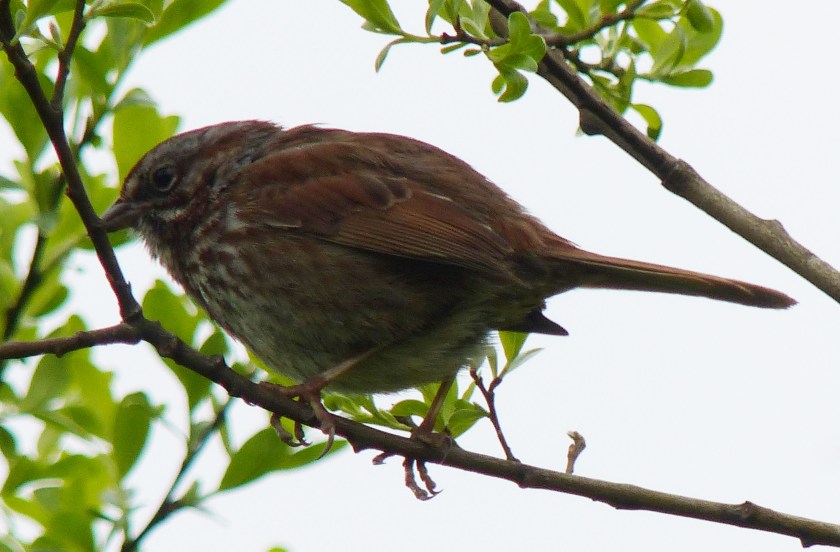
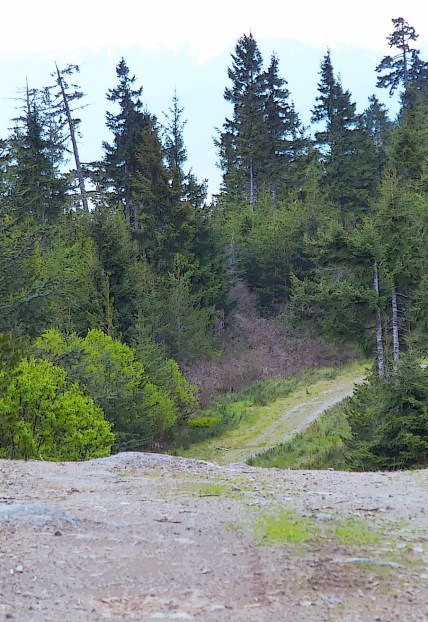
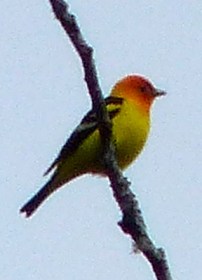
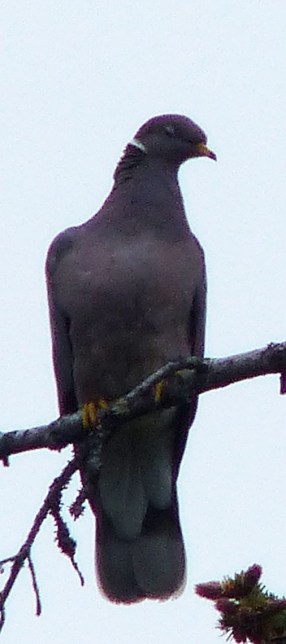
Power lines are among the ugliest by-products of our electronic age but the ‘cut’ also provides wonderful habitat for birds, particularly flycatchers and warblers. I’m up on Goldstream Heights, picking my way over the rocks. Before long, I’m too focussed on the calls of birds to be aware of the huge metal towers looming nearby. A Song Sparrow chips a warning – I’m the topic certainly. As I stop to take in the view of the Olympics across the Strait of Georgia in Washington state, four Band-tailed Pigeons flash by overhead, streamlined, swift flyers like all pigeons. Below them, a tropically-coloured Western Tanager flashes yellow and red, landing briefly on a distant treetop. My mind is on flying birds. Suddenly a MacGillvary’s Warbler startles me with a blast of song. He pops into view, giving me some great looks. Lovely. Even with the towers and high-voltage lines, there are worse places to be than here on a mild May morning.

Mac'swarblmay82017

MacGillvary’s Warbler

SngSprwMay82017

Song Sparrow

GoldpowlineMay82017

Powerline Trail

WestTnMay82017

Western Tanager

BTpigeonMay82017

Band-tailed Pigeon


Malheur Memories

20140731Malheurrdx.jpg

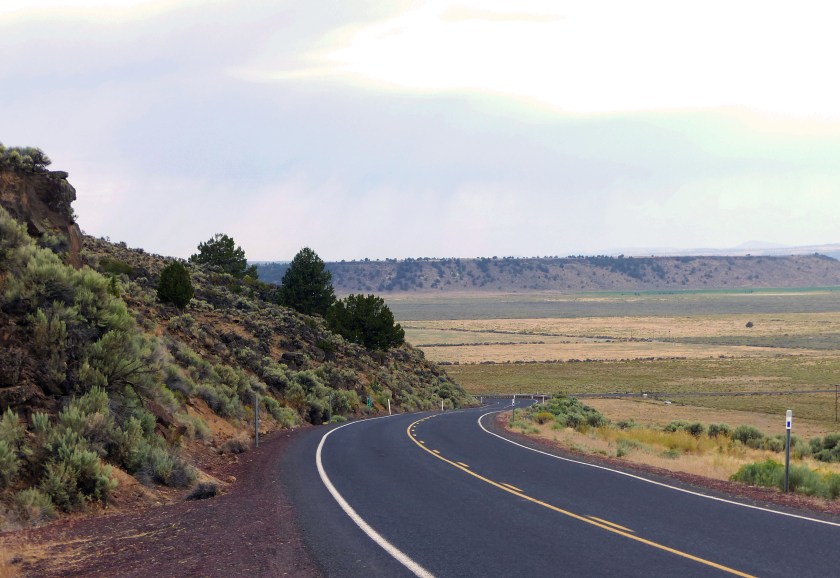
The Road to Burns

Malheur1Jul312014

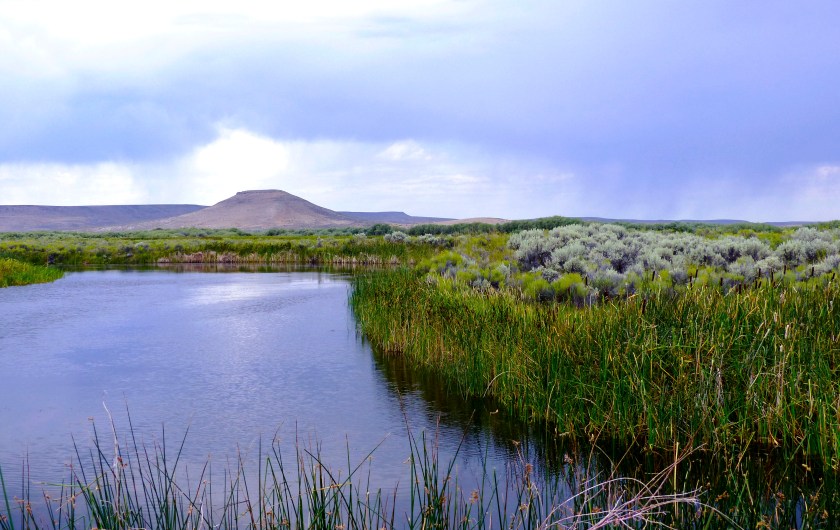
Malheur

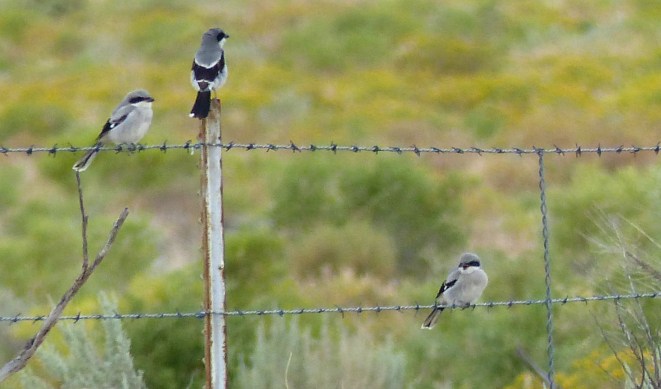
I visited Malheur National Wildlife Wildlife Refuge in Oregon in the middle of the summer a few years ago – before the unhappy events there in 2016. I’m delighted to report that the temperature was moderate and I heard only a single mosquito – in spite of warnings of excessive heat and a plaque of bugs. Not surprisingly, with that kind of a rep, few birders visit here at the end of July.

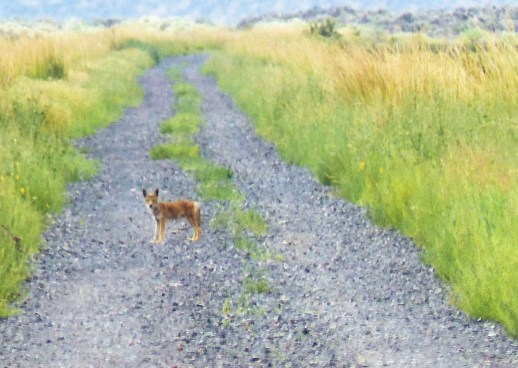
The Refuge certainly wasn’t busy. I saw no more than a half dozen people, including rangers monitoring the narrow track that leads, ultimately, to less than teeming metropolis of Frenchglen. Of course, for wildlife, the fewer people the better. Young animals and birds seemed to be everywhere reminding me again how important Wildlife Refuges, like Malheur, are for breeding species, as well as being vital stopovers for migrating birds.

redknkedphaljul312014

Mal5

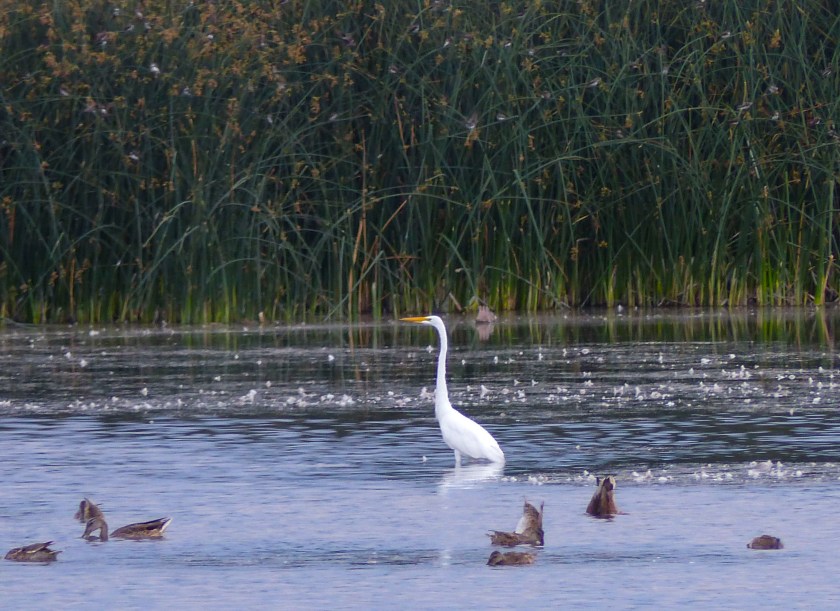
Great Egret

Phalaropes

GadsJul312014

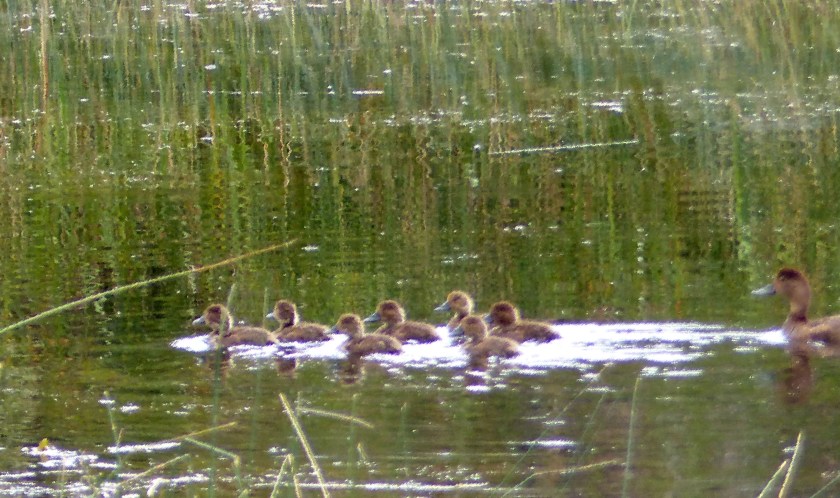
Gadwall Family

ShrikesJul312014

Loggerhead Shrike Family

ErdGrbsJul312014

Eared Grebe Family

Coyotemaljul312014

Young Coyote on the track to Frenchglen

Mal6Jul312014

Fawn at Malheur


FrenchglenFrenchglenJul312014


Two Weeks Back

PaperbirshAp142017

Paper Birch

I’m not sure when I’ll ever be in these woods again, walking the once familiar nature trails near my boyhood home. I’m a stranger here now, with fewer reasons to visit. I learned years ago not to expect spring proper until May. Sure enough, we get a snow shower this morning, passing quickly but leaving cold, breezy, damp weather in its wake. I head for Hibou on the shore of Georgian Bay since the path into Bognar Marsh, my other favourite place, is too muddy for a traveller without boots.

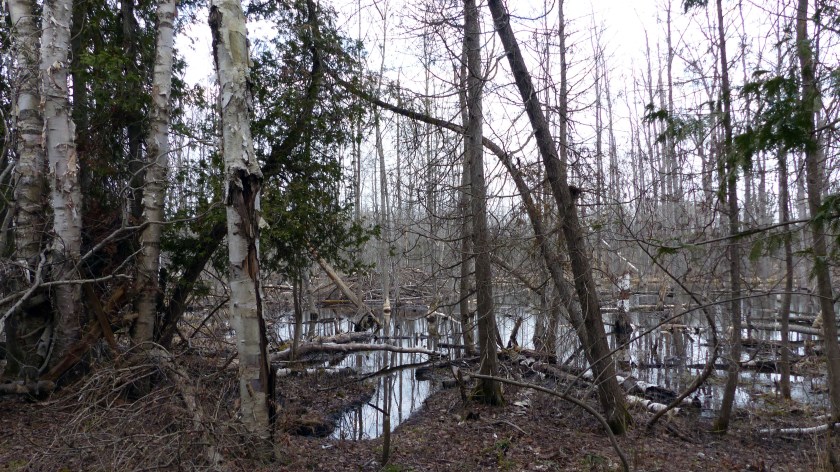
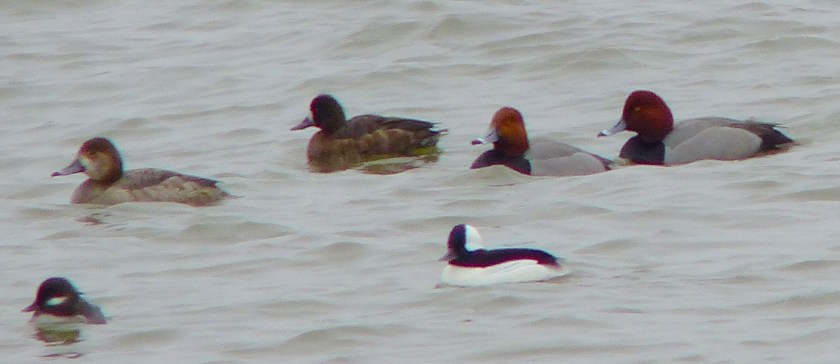
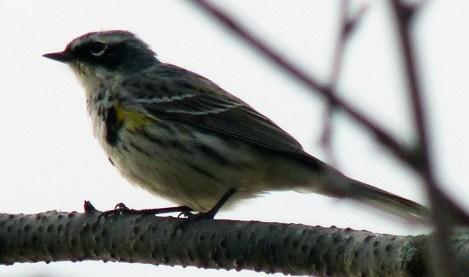
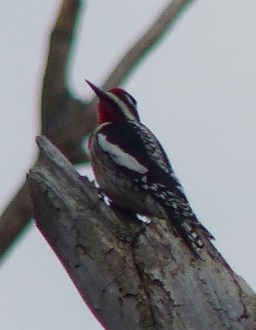
Hibou’s nice too. I soon discover that I’m the only person here. Perfect. The landscape is partially flooded and it’s hard to tell where the beaver pond ends and the rest of the forest begins. I hear the sharp warning slap of a beaver’s tail and spot the lodge. A Yellow-bellied Sapsucker drums a solo on a snag, hoping to attract a mate. Two pair of Redheads cruise the shoreline. The first of the warblers have arrived – Myrtles, usually the earliest to return, and they are singing too. Cold and damp or not, there’s almost never a bad time to be in the natural world.

HibouAp142017b

The Beaver Pond

RedheadsAp142017b

Redheads

MyrtWarbAp142017.jpg

Myrtle Warbler

YellbelsapsuckAp142017.jpg

Yellow-bellied Sapsucker


King Eiders and Red-necked Grebes

Rdnkgrbap142017

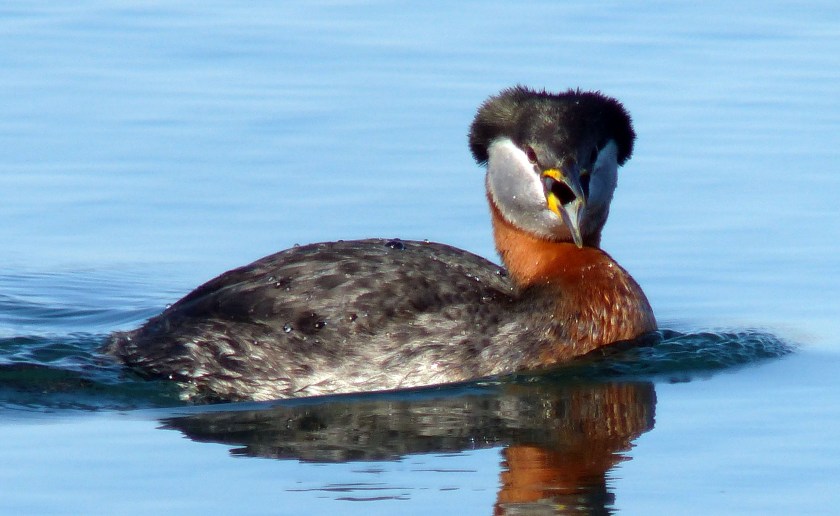
Red-necked Grebe

I need to be at the airport by ten thirty in the morning for my flight home from Toronto. The problem is that I’m staying in historic Niagara-on-the Lake, maybe two hours away. A sensible person would relax and enjoy breakfast at the pleasant B&B where I spent the night, but a rare King Eider lingers at Etobicoke’s Col. Sam Smith Park. It’s out of my way and I’m pressed for time but I do what any half-crazed birder would do under the circumstances. I get up at six, skip breakfast and head out to try to add the Eider to my Life List.

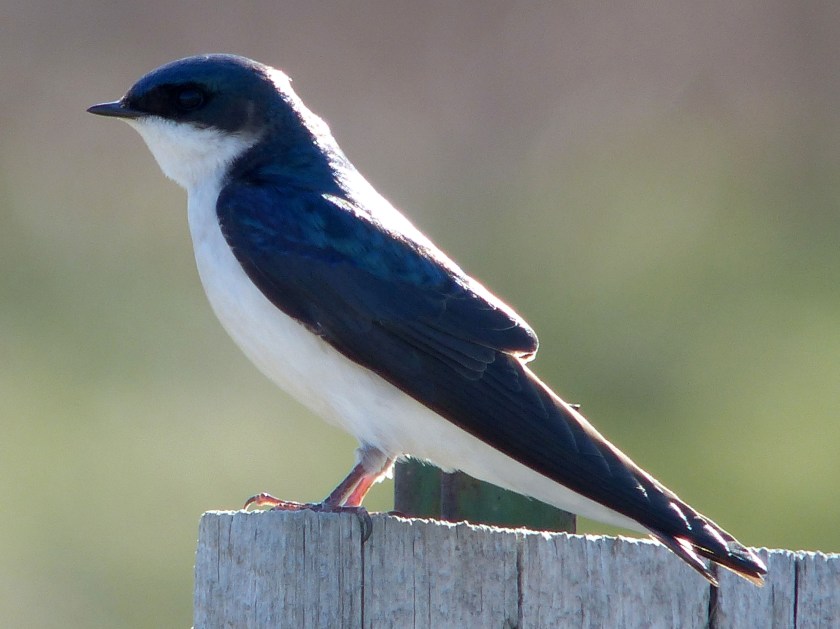
Col. Sam Smith Park is new to me and it’s a lovely spot. It doesn’t hurt that the day is so spring-like. Well, it is spring but I saw snow farther north not two days before and I’m wary. The Tree Swallows are convinced. Dozens of these pretty birds have arrived from Mexico or Central America, claiming the nest boxes volunteers (I think) have set up for them.

TreeSwallAp142017

Tree Swallow

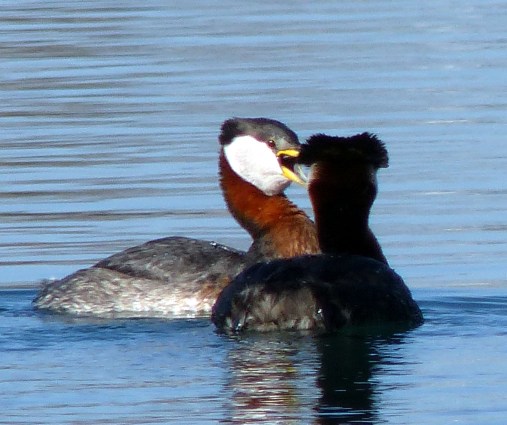
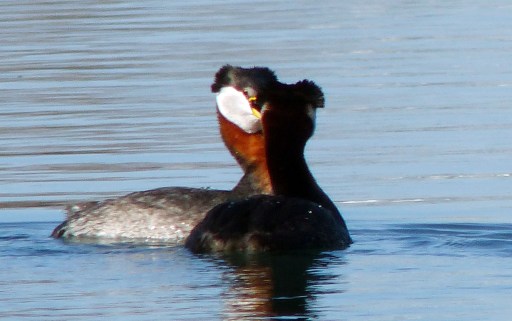
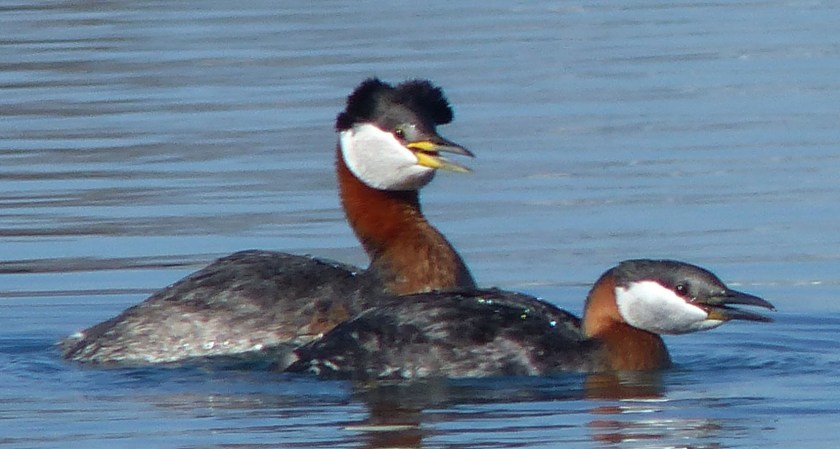
I’m hoping to see the Eider but not overly optimistic. I hadn’t counted on the abundance here of other birds. Red-Necked Grebes – hundreds of them – are courting noisily. Of all waterbirds, grebes have the most spectacular courting rituals, the dances of the various species. My opinion, of course. Today’s gathering of these engaging birds makes for a phenomenal show, all colour, posturing and noise.

REDknecGRBSAp142017

RNG5

RNG3

Rngb

Courting Grebes

Horndgrbapr142017

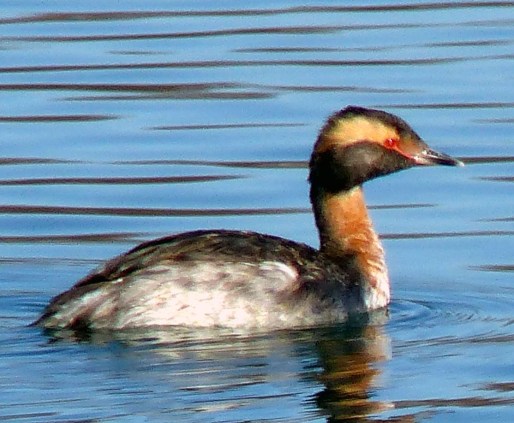
Horned Grebe

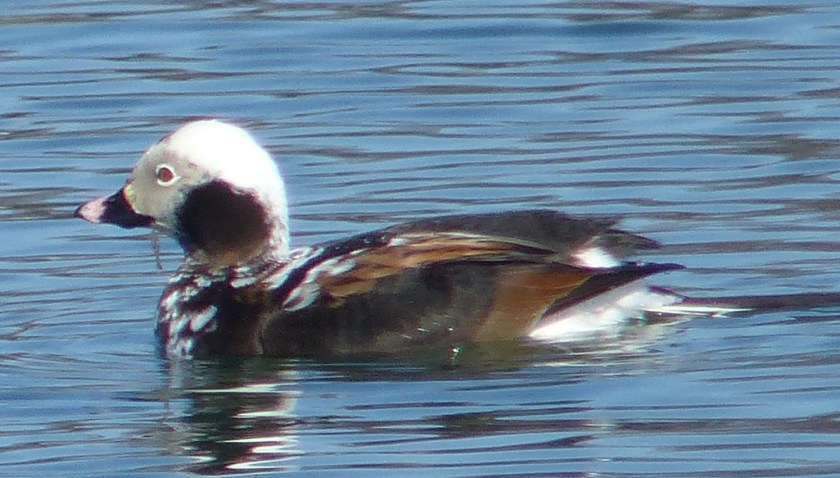
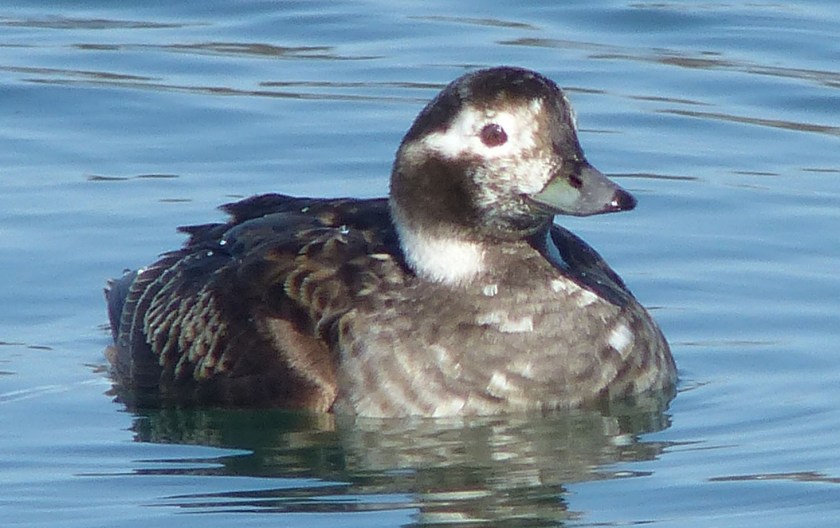
Nor are the Red-necks the only birds caught up in the show. Here and there, Horned and Pied Grebes are scattered amongst their Red-Necked cousins. Numerous Long-tailed Ducks forage for food, gathering energy for their upcoming return to the Arctic. Most of these attractive birds have already paired up. Waiting for them to pop back up to the surface for a picture requires patience. They are the deepest diving of all ducks.

LonTailduchapr142017

LonTailDuckfemaAp142017

Long-tailed Ducks

But now, it’s getting on and I still haven’t spotted the Eider. It’s not where it’s been repeatedly sighted. I hold position as long as I dare, leaving myself barely enough time to get my rental back and to go through security. As I hurry to the parking lot, I spot an unusual looking duck in amongst the floats in the boat basin. It’s strongly back-lit but ‘different’. I take a dozen or so shots. And then I’m gone. At home, I upload my photos. Sure enough, as often happens, the parting (or Parthian) shots are the winners. I have my King Eider. Not great photos perhaps, but good enough for an ID. I’ll miss breakfast anytime for this.

Kingeiderap142017King Eider

Aransas Memory

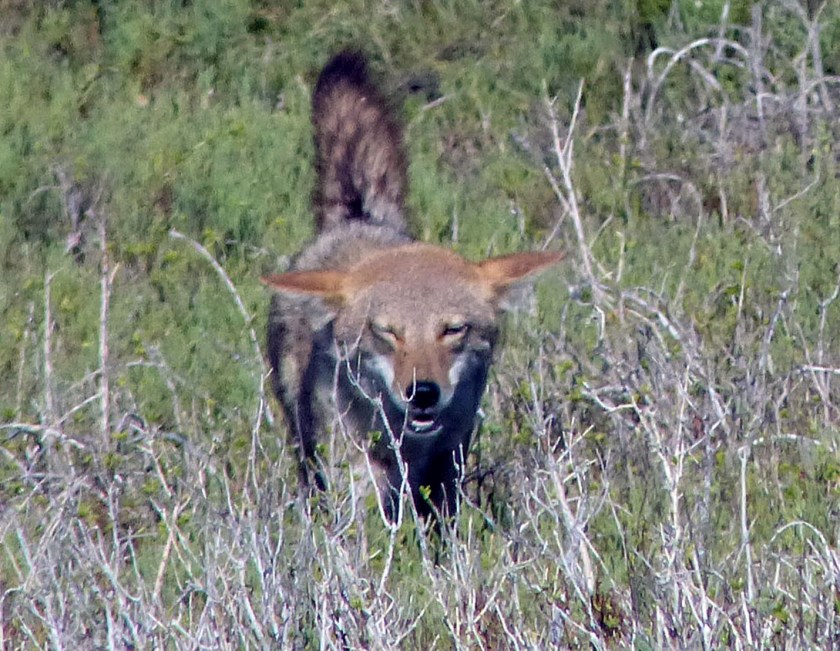
CoytAransasn0102014

Aransas Coyote

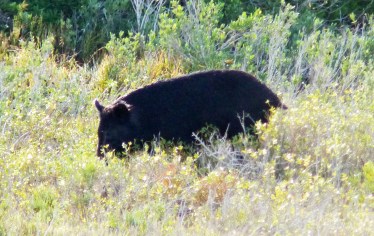
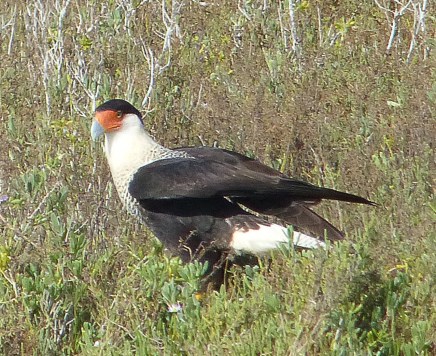
I visited Aransas National Wildlife Refuge in Texas in November of 2014 and saw Whooping Cranes for the first time. I subsequently wrote an article based on my visit – published in Hakai Magazine in 2015. I had hoped to see the birds last November when I was again at Aransas. Since I didn’t take a boat tour, which is the only sure way to view the birds, my expectations were low. Good job, because I saw not a single one of the 300 or so individuals parading about somewhere in these precious marshes – a reminder of how few Whoopers there are in the world. Still, Aransas is a wonderful place, with a variety of wildlife everywhere – Spoonbills, Ibis, Caracara, White-tailed Hawk, and much more. Lots and lots to see.
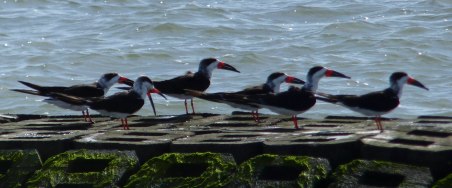
Blackskimmersno102014

Black Skimmers

BoarAransasNo102014

Feral Pig

LBCrlw2no102014

Long-billed Curlew

CrCaracarano102014

Crested Caracara

As for the cranes, not much has changed. It’s still a precarious existence for these magnificent birds. Loss of habitat at either end of the migration, or a catastrophic event en route, could eliminate the species. More environmental protection is needed, not less. My article, originally titled Whooping Cranes vs Big Oil follows.

Whooping Cranes Vs Big Oil (Hakai, April 23, 2015)

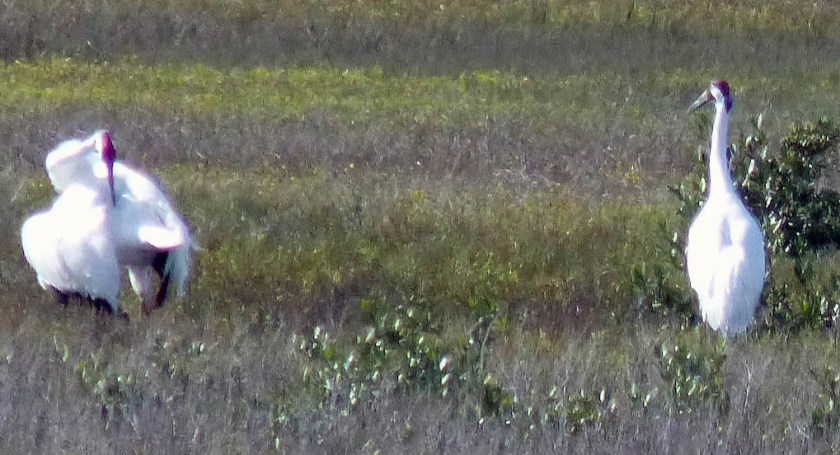
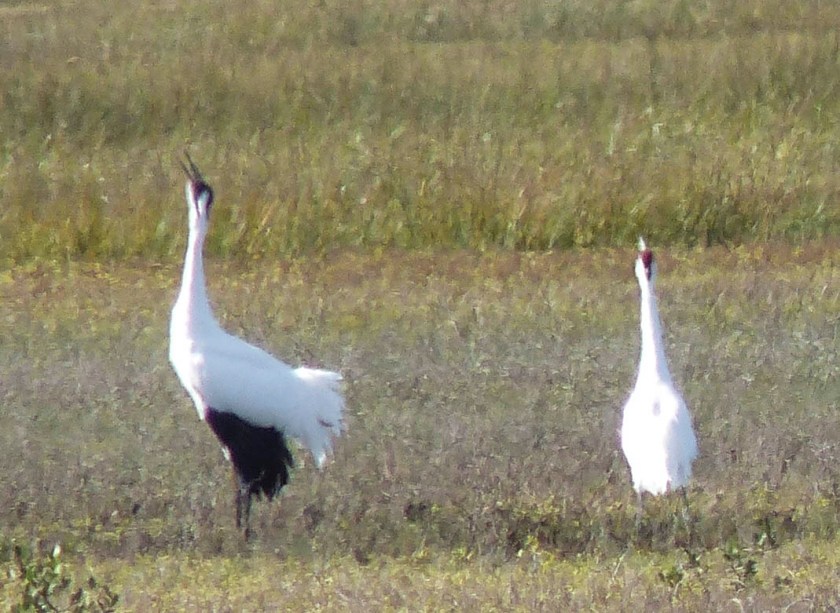
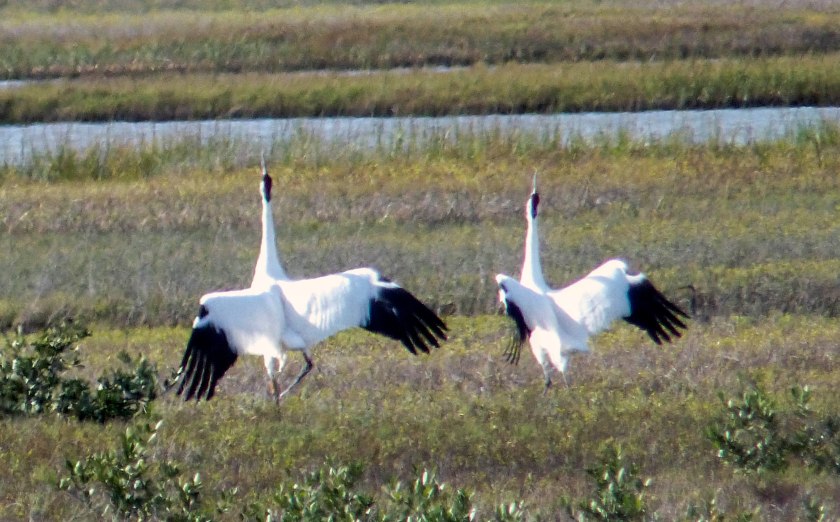
I’m on a boat in Aransas National Wildlife Refuge in Texas viewing whooping cranes on their wintering grounds. They come for the blue crab that abounds in these muddy, cordgrass flats. Many forage in family groups—two white, red-capped adults and a fawn-coloured juvenile. True to their name, the “whoopers” are noisy, trumpeting and dancing to intimidate rivals or strengthen pair bonds.
CranzAransspairdisplyno102014.jpg

Whooping Cranes ‘Dancing’

whcranzdramano102014

Whcransaransasno102014pair

Whooping Cranes – On Territory

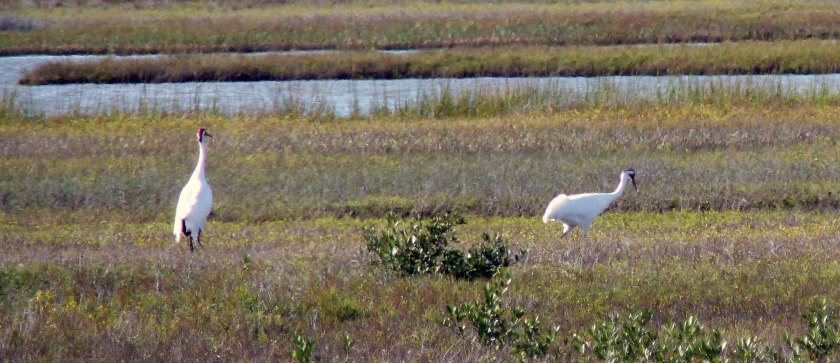
I’m delighted to see the birds at last. They belong to the Wood Buffalo/Aransas flock, numbering about 300—the entire free population of the tallest bird in North America. The dozen I’ll see today, on this side trip from Harlingen and the Rio Grande Valley Birding Festival, are my first, but I’ve followed their story since my boyhood in the 1960s. Then, fewer than 50 existed and their survival seemed doubtful.
WhCranzpairno102014

Crabbing

Whoopswhoop2

‘Whooping’

Conserving the cranes is an ongoing challenge. They nest in remote Wood Buffalo National Park in Canada and winter in southern Texas—4,000 kilometers each way. Females lay two eggs but only one chick usually survives—the weaker is killed by its sibling or a predator. Ironically, the surplus chicks helped save the cranes. Scientists gathered and hatched “extra” eggs and slowly rebuilt the flock. The International Crane Foundation uses a variation of that method today in efforts to build a second flock. ICF volunteers dress as adult cranes to ensure chicks bond with other whoopers and use ultra-light aircraft to teach juveniles to fly. Crane conservation is about commitment and, I think, love.

oilrigno12016

Drilling Rig, Port Aransas

At Aransas a barge carrying a Blowout Preventer Valve (BOP) passes a feeding crane family, temporarily blocking my view. BOPs seal underwater oil wells. Threat and threatened are instantly juxtaposed. Unlike the cranes, I know what happens when a BOP fails. When one blew on the Deep Water Horizon Well in 2010, escaping oil destroyed coastal marshes like Aransas from Louisiana to Florida. Another such spill could wipe out wild whooping cranes forever. Nor are the birds secure in Wood Buffalo—Alberta’s Oil Sands are just south of the nesting grounds.

Whhpfamily

Crane Family

I overnight in Corpus Christi near its brightly-lit petroleum refineries, and reflect on whooping cranes and Big Oil. In the darkened marshes, the birds likely watch for prowling bobcats and coyotes, their ancestral enemies, unaware of an omnipresent and vastly greater danger.
Whoopflysumi1


Observatory Hill-Pygmy Owl Hunting

fogclearinma212017

The Fog Clears

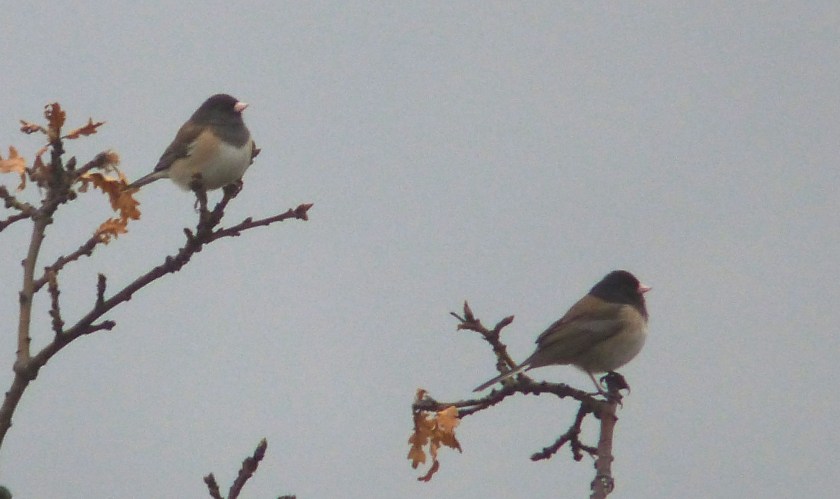
It was bright and clear at sea level when I left home this morning but by the time I get to the top of Observatory Hill heavy cloud is moving in and drifting down into the trees. Red-barked Arbutus, pale maples and the rocky bones of the mountain become ghostly, moss-draped forms; the boles of giant firs, alleys of indistinct columns. I take the trail past one of the smaller telescope-covering domes (the reason it’s called Observatory Hill) and go down into the mist. I can hear birds – nuthatches, drumming woodpeckers, kinglets, a Varied Thrush – but aside from a half dozen Ravens, an Anna’s Hummingbird and a few Dark-eyed Juncos, I see nada. I had hoped to luck into a Northern Pygmy Owl, my real goal this morning. They live up here reportedly and hunt in the daytime, and I have yet to get a picture of one of these fierce little hunters. Now, with the fog, I’m expecting I’ll be plumb out of luck today.

JuncosMa212017x

Dark-eyed Juncos

I hike through the gloomy forest, being careful to stay on trails I know. I’ve been lost in forests before and I do not like the feeling. After an hour or so, a light breeze arrives, quickens, changes direction and begins to scour the cloud from my side of the ‘mountain’. I pause on a rock outcrop for a view of Prospect Lake. It’s so quiet, so peaceful. A young Bald Eagle cruises past, gives me the ‘hairy eyeball’ and carries on. Fine. I’m leaving anyway. After a couple of hours on a cold, foggy mountaintop, I’m ready for a cup of hot coffee and, just maybe, a donut.

EagleObsHill

Bald Eagle

On my way back up through the firs, I hear something – the clear, repeated  ‘toots’ of a Pygmy Owl calling. And from the other side of the trail, a hundred meters or so away, another bird, ‘tooting’ back. I think they do this, male and female counter-calling. They might stand still for a photo if I could just find them. The mist lingers here and there and the sound seems to move around, making it hard to locate the Pygmy. I never do get a picture. My reward for stalking the birds is a brief flash of underwing, and those sounds. Still, the owls are here, on Observatory Hill. Next chance I get, next clear early morning, I’ll be up here searching.


Bufflehead Ballet

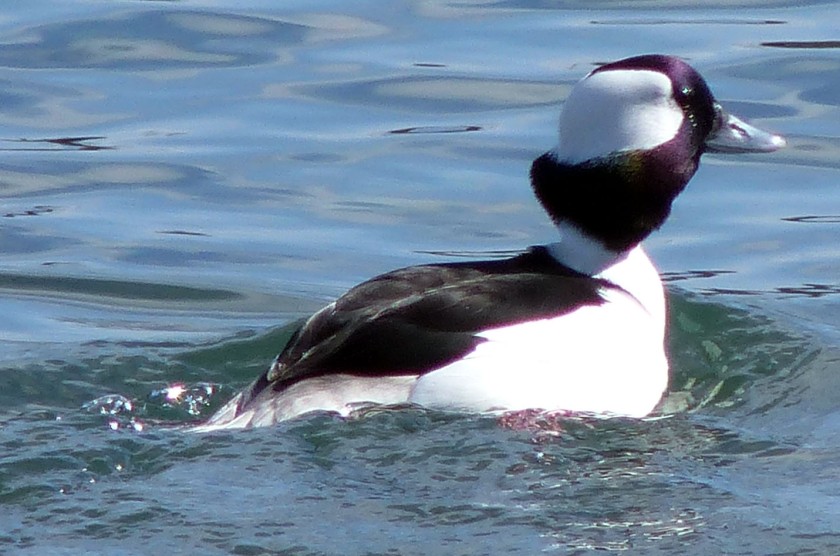
Buffles1Ma192017

It’s on

The squads of Buffleheads visiting the bay are in full mating mode now. Neat, tiny ducks ‘hooking up’ or fending off rivals. Buffleheads are monogamous but young birds need to find a partner. They’ll try to steal one if there’s no other way. The activity out there is close to frantic. Everybody’s zooming around, the strikingly-patterned males and the more tastefully-garbed females. And there’s lots of splashing too. The tiny ducks don’t even notice the much larger Common Mergansers who cruise through the melee.

Buff;leand mergsmar192017

Common Mergansers-where?

It’s all necessary, of course. Things have to happen now, or never. Soon, the Buffleheads will leave the coast and migrate into the interior. The females will rear their young in nesting holes originally made by Northern Flickers in trees on small streams and ponds sans Northern Pike, those notorious duckling eaters. For a time, they’ll stop being sea ducks and become freshwater ducks (that’s remarkable too if you think about it). I won’t see them again until the fall, likely on the same date as last year–October 15. Buffleheads are the most punctual of waterfowl.
Buffle3Mar192017

It’s how you look…

I should have more information about these charming little guys at my fingertips. I used to have a detailed monograph devoted to them, a surprise gift from my printer father years ago. Consistent with my life pattern of not needing something until after I’ve thrown it away, I got rid of it -reluctantly – a year or so ago. I’d carried ‘Buffleheads ‘ by Erskine around for decades even though it smelled rather strongly of the aquarium it fell into way back when. Plus its pages stuck together. It had to go. But now, I’m watching Buffleheads doing bobbing neck stretches, chasing each other in circles, flapping, displaying wing patterns and otherwise carrying on and, boy, I wish I still had that book. Sorry, Dad.


Bumper Birds

Now that I think about it, Bufflehead Bumper Boats might be a better title for this post. It’s the closest analogy I can think of. Males circle each other heads down, plowing through the water, raising the vertical crests on the back of their heads, show off the striking white patches on their wings, tearing around as fast as their little pink legs can drive them, bearing off just before the collision, like kids doing bumper boats. The myriad behavioural nuances obviously mean something. Erskine could have told me.

buffle11

Picking Up Speed

Amongst themselves there must be worlds of difference between participants but I can’t tell one of these little showboats from another. And which bird wins? A better black and white pattern might carry the day, or the intensity of the iridescent purple sheen on a male’s head, or good ‘cheeks’ and nape ruff, or maybe the whole package. I suspect nerve and aggression figures in big time.

buffle10

buffle9

Any day now, they’ll be gone, off to their northern lakes and rivers and their nesting holes, not to return until October 15 when dozens will suddenly show up in the bay. I’ll miss the little guys, the smallest of the sea ducks.