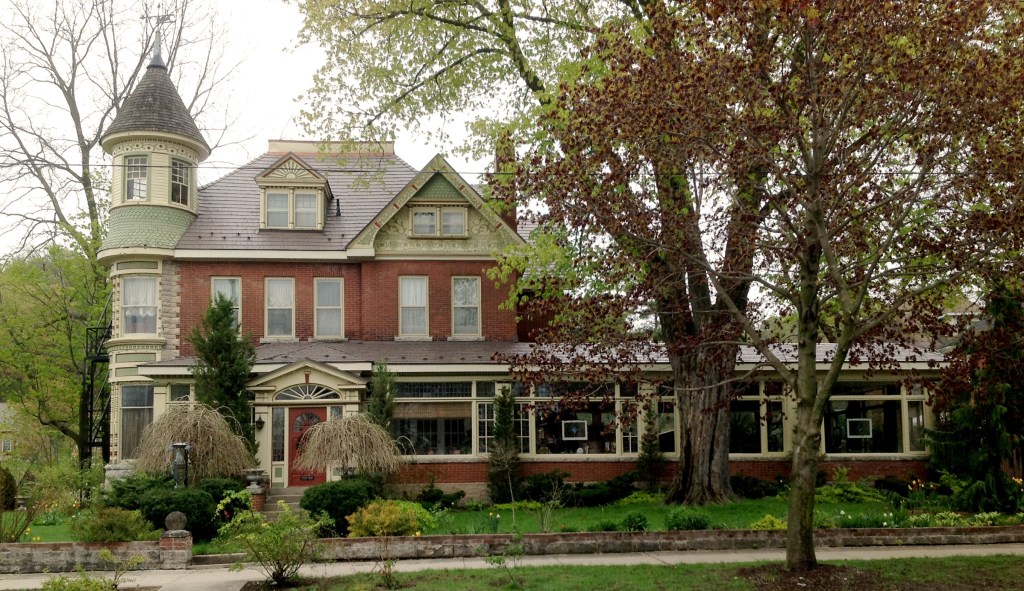
Butchart Gardens is famous, and it’s one of Victoria’s premier attractions. But I knew of the Butcharts long before I came west. The Butchart mansion on 5th Avenue in Owen Sound, Ontario, was a block away from my boyhood home. It had, maybe still has, an indoor swimming pool. I remember once tramping through the snow to the front door in the hopes that I might sell a subscription to the Toronto Telegram.
Even after many, many years, I can still remember smelling chlorine through the half-open door. I probably wondered what living in a real mansion would be like. To be able to take a swim at home rather in the the minuscule YMCA pool – that would be something! Of course, it probably wouldn’t have worked very well in our 2 bedroom apartment behind the factory, but I would have been up for a try. Incidentally, I don’t believe I sold a subscription. Nor did I ever see the inside of the grand house. The Butchards, I think, were long gone anyway.
The Butchard Mansion
Even then though, I knew about the Butchard Gardens, later called The Martins. They were a few miles out of town at Balmy Beach. It was a long bike ride for a 12 year old so I never got there. I hadn’t yet heard of the west coast version. No reason I should.
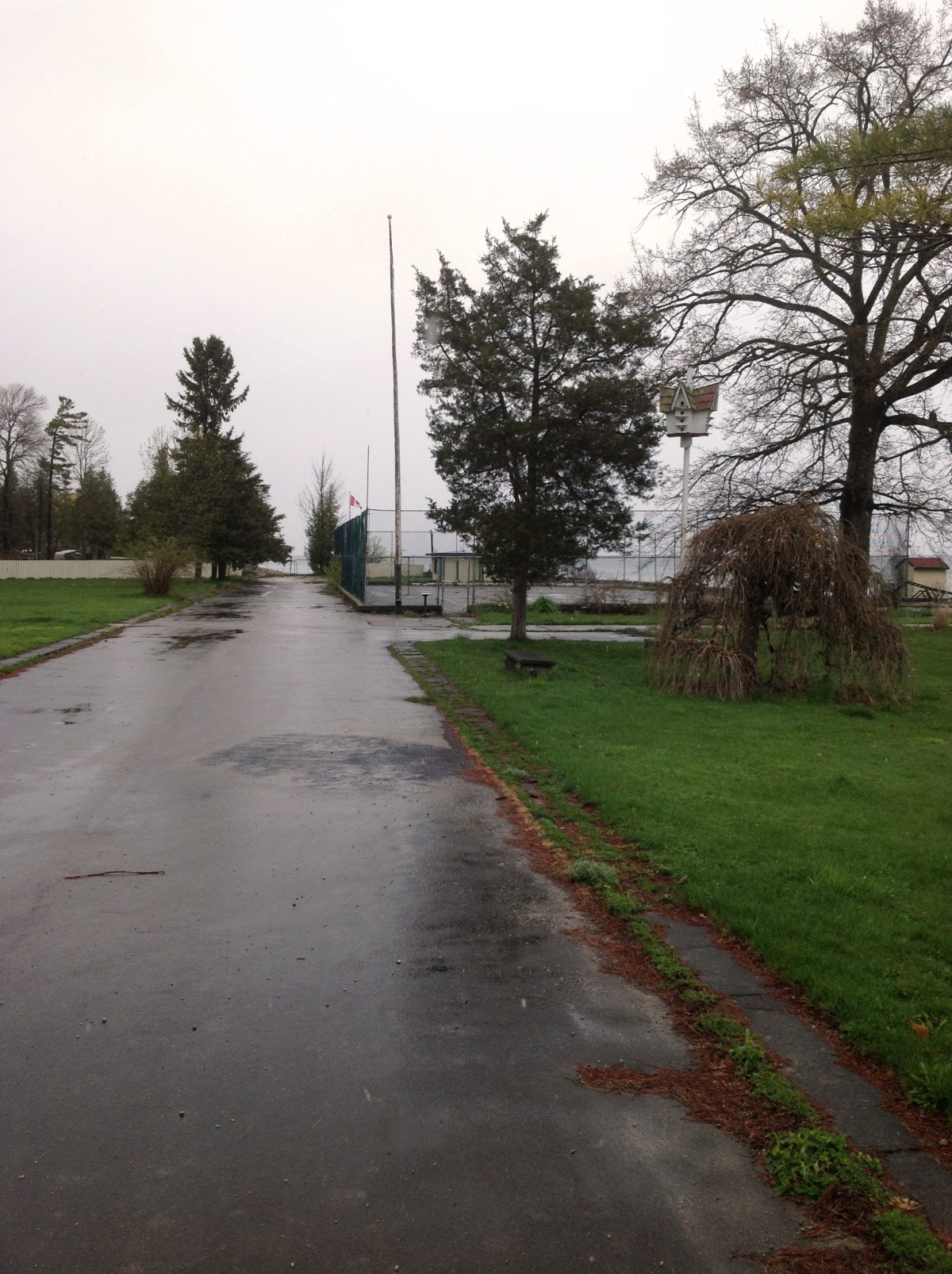
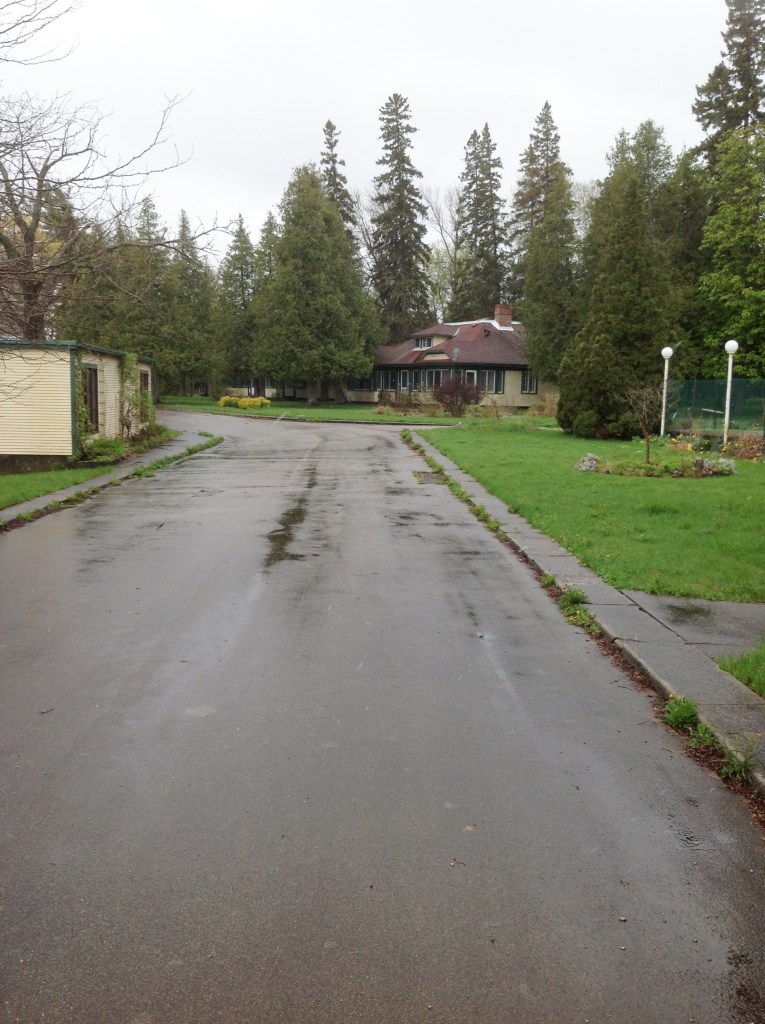
A few years ago, I finally visited The Martins. It was May. I was birding along the cobbley Georgian Bay shoreline and then, almost accidentally, I was there, walking among the ruins of a grand idea from another time. Half of the real estate had been stripped way by winter ice and freak high water, the there was more recent damage. Winter storms on the Great Lakes can be fierce.
Winter’s Fallout – The Martins, Georgian Bay
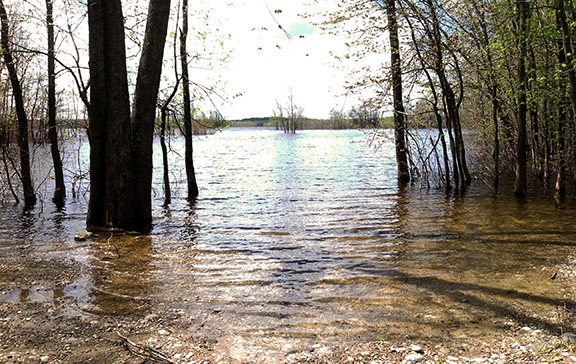
About the Butcharts. The brothers, Robert and David, were born in Owen Sound in the 19th century. They ran a hardware store on what is now Main Street (2nd Avenue East), and ranked among the town’s “contemporary and go-ahead merchants”. Solid, likely Presbyterian, moderately well-off. Then they found that marl from a nearby lake bed could be converted into cement, a product in great demand in Canada’s developing industrial heartland. The discovery was huge. Soon, the Owen Sound Portland Cement Company was making some of the best cement in the country. They also shipped the product in bags rather than barrels. This innovation made the Butchards wealthy.
Marly, no longer industrial, Shallow Lake
Rich now, Robert built the mansion with indoor swimming pool on 5th Avenue and lived there until he and Jennie left for the west in 1904. His brother David stayed in Owen Sound and built something grand too. I’m not sure which of the imposing west side Owen Sound houses was his. Jennie, of course, created the Gardens at Tod Inlet near Victoria, BC, but David also created a Butchart Gardens at Balmy Beach on Georgian Bay. I wonder about this family obsession with ‘Gardens’, and where the idea came from.
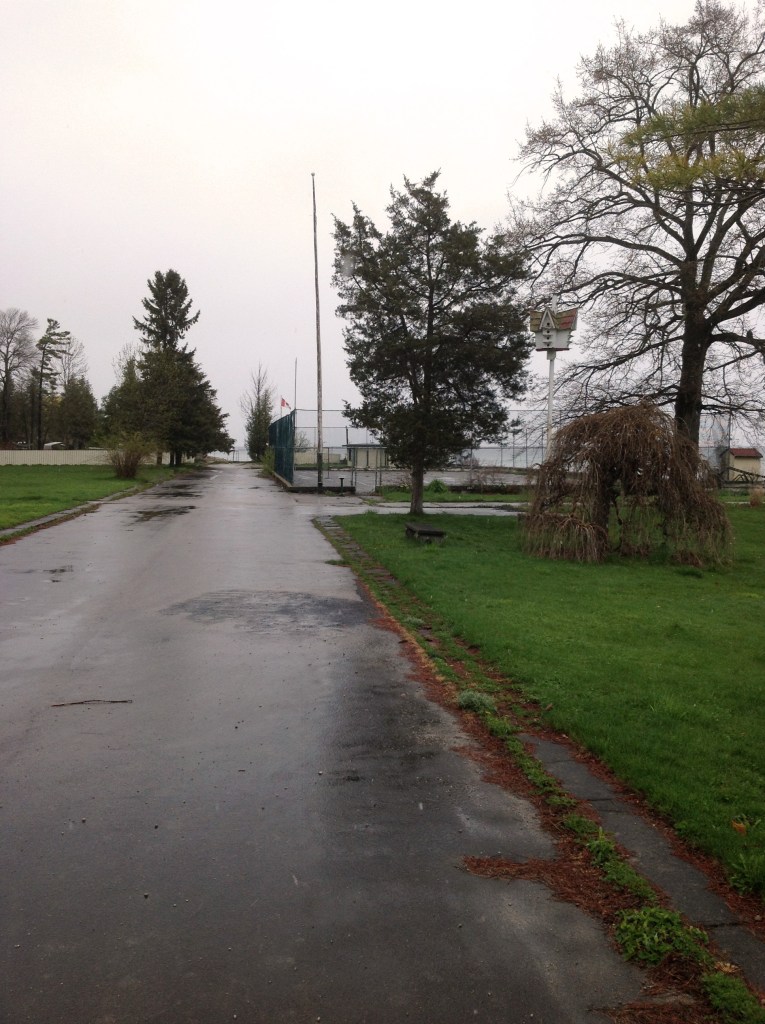
The Martins
In any case, the Owen Sound establishment, with its Italian Garden, Sunken Garden, tennis courts, swimming pool, and many other features, was an important tourist attraction until, one winter, unusually heavy lake ice carved away a big chunk of the property. After Hurricane Hazel destroyed much of the rest, the Gardens were finished.
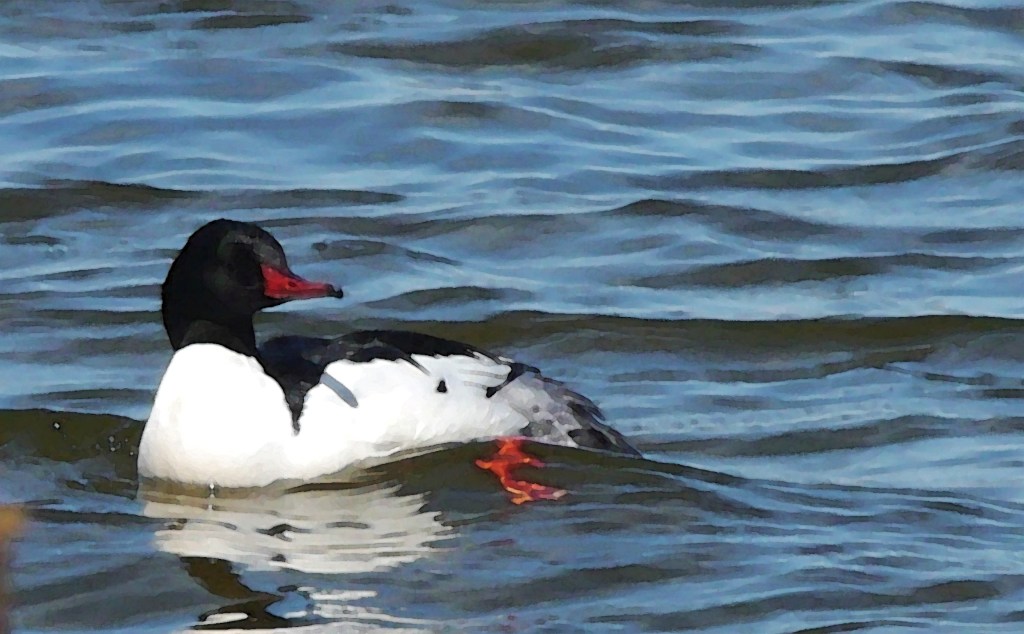
It rained while I was there. Forlorn, a strange, almost haunted legacy of what was once one of the country’s largest cement fortunes, it seemed the last glimmer of the Jazz Age world of the 1920’s. I suspect the property has now been developed; it certainly looked ‘ripe for the picking’. I’ll check on it next time I’m ‘home’. Since this blog is about birds, well, I saw only one on the property, a Common Merganser. The sun flashed out for a millisecond and lit him up, and then it started to pour.
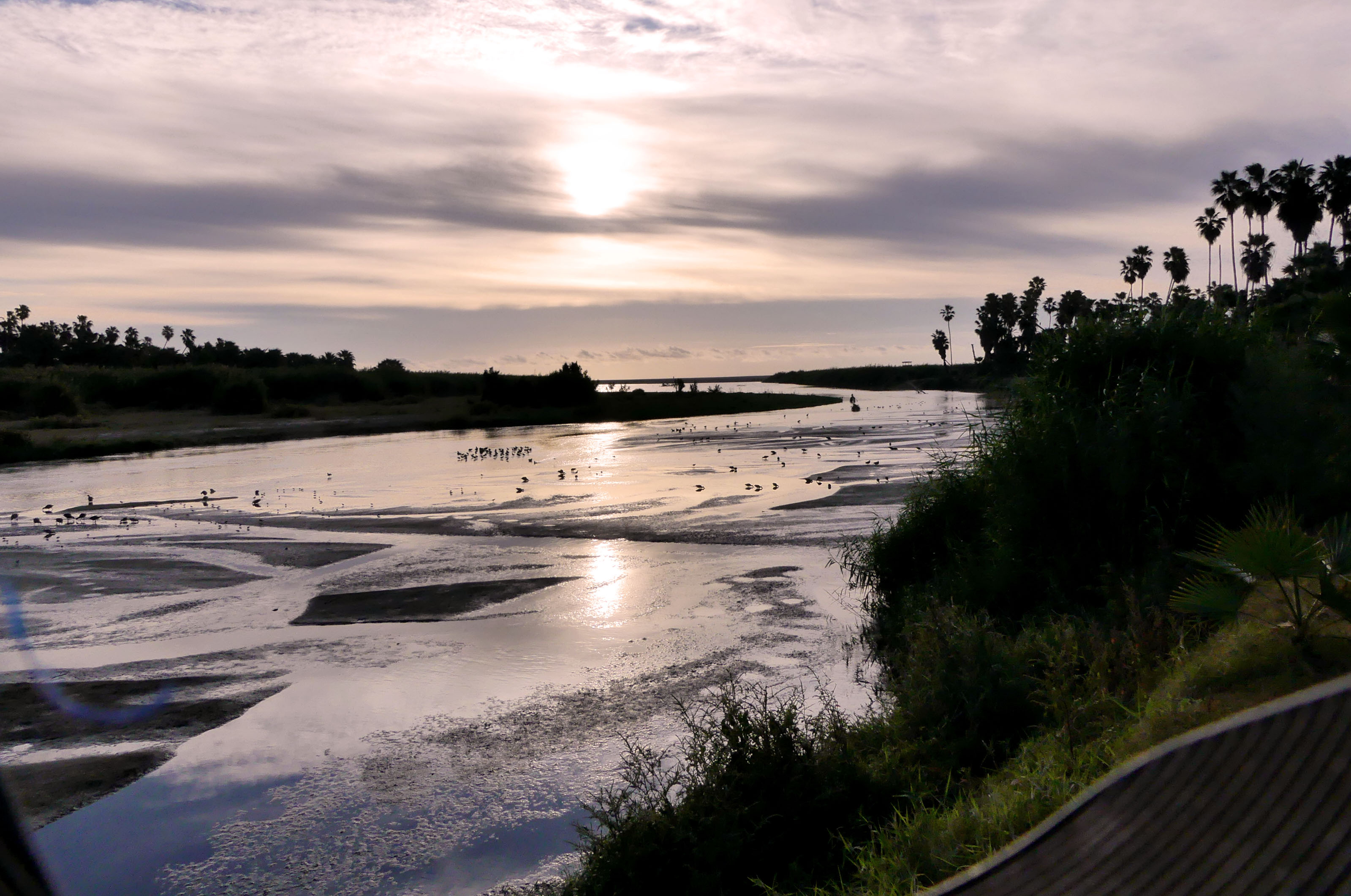
I took a long hiatus and finally published the third book in my Archie Stevens Mystery series. This one is called Raven Creek. Now, I’m back with nature, mixing birding with a family vacation in San Jose de Los Cabos. I head for the San Jose River estuary every morning just after sunrise. It’s a quiet time, the temperature is perfect, and the birds are active.
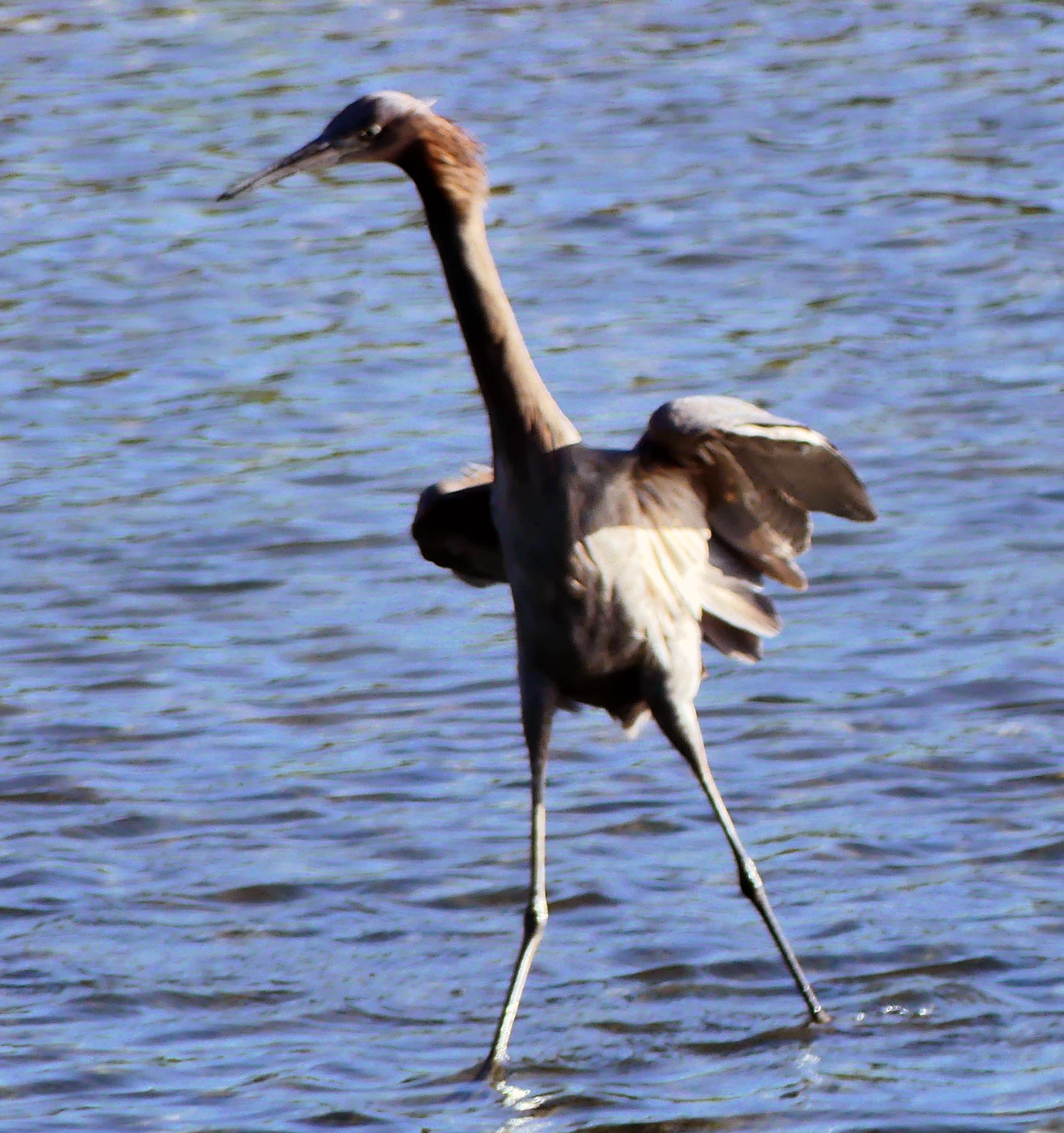
It’s my second visit to this estuary, this haven for dowitchers, egrets, herons, ibis, ducks, and other bird species. A Zone-tailed Hawk appears. A nice surprise. These guys usually pretend to be Turkey Vultures, and drop down on their prey who don’t expect trouble from the relatively harmless Vultures. My old pal, the Reddish Egret, is here, jumping around like a bird possessed. They hunt like this and it must work. I shouldn’t find it comical, I suppose, but I do.
Reddish Egret
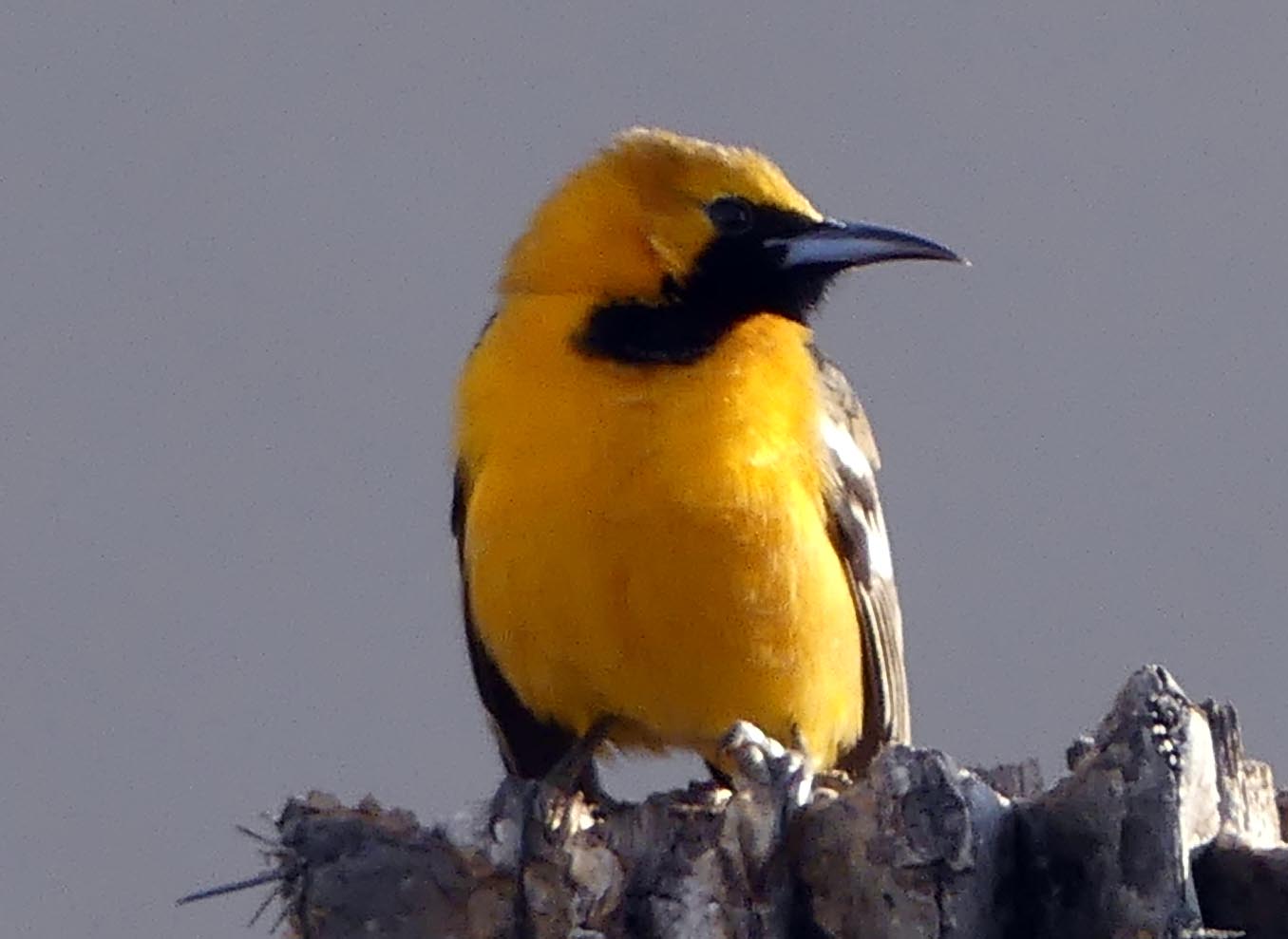
A pair of Hooded Orioles flash past and dive into a Palo Verde, him a bright orange and black, her a soft moss green. They startle a Cactus Wren who lets loose with its rattling call. And Gila Woodpeckers seem to be everywhere, sounding very much like the squeaky toys babies, and dogs, seem to like.
Hooded Oriole
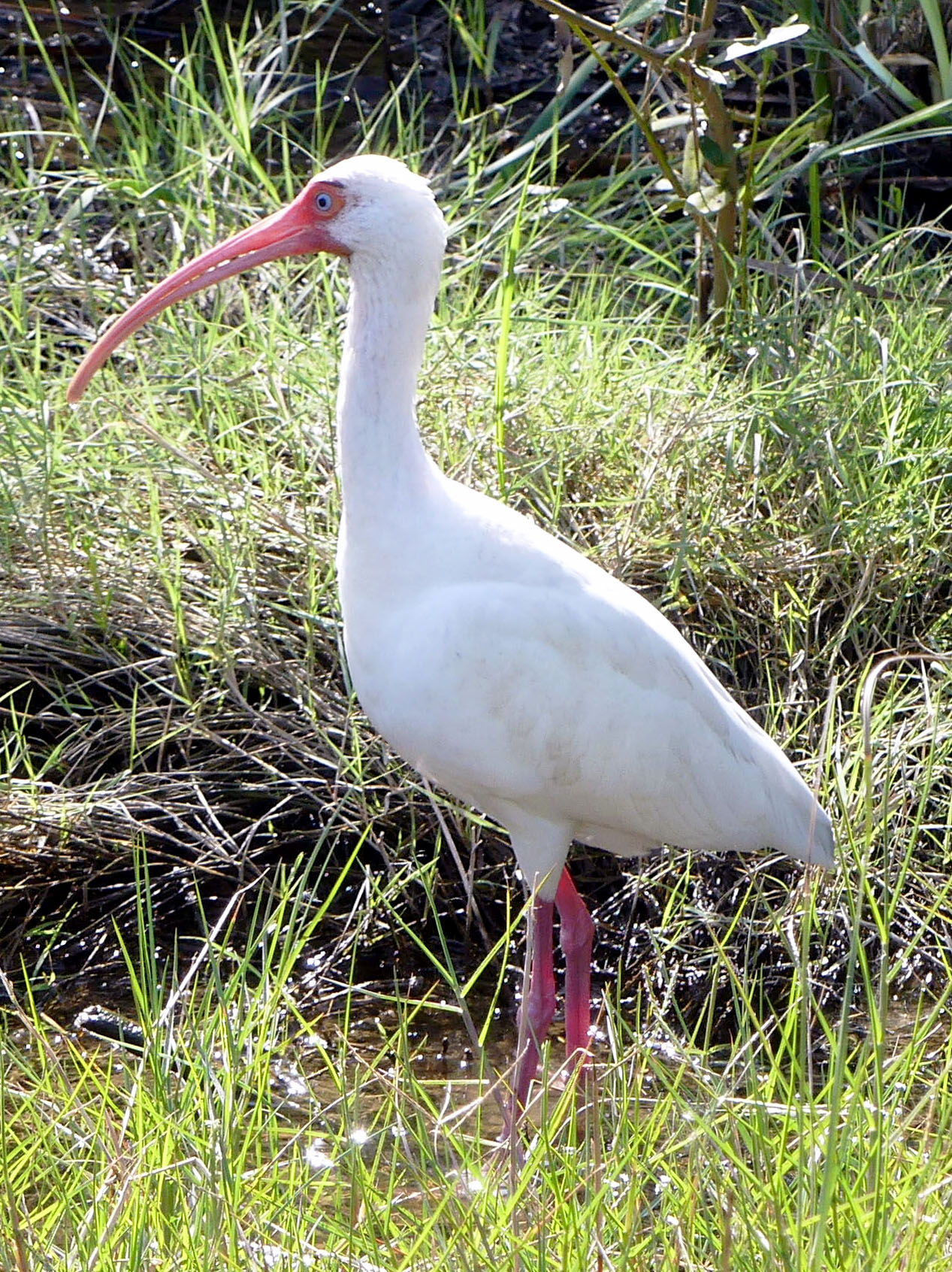
White-faced Ibis work the shallows, probing with their long, curved bills, dressed as always as if they’ve just come from a funeral, stalking, with excessive gravitas, through groups of very busy dowitchers, plovers, sandpipers, and bright Cinnamon Teal. Lots of activity today and everyday, at least in winter; birds come and go up and down the river, moving from sandbar to sandbar, in constant motion.
White-faced Ibis – Morning Spruce-up
Several locals told me that a hotel chain is trying to get rid of the bird sanctuary here to clear the way for yet another hotel! It’s hard to imagine such foolishness, but we see a great deal of nonsense in the world these days. The birds, of course, are unaware of this. They are used to visitors and tend to ignore them. You don’t see that everywhere. This is a magical place and I hope it will remain so forever.
A side note: in 1588, two English galleons took on water from this river before they attacked and captured a Spanish treasure ship near the ‘Arches” at San Lucas. One of the ships ‘Desire’ then completed the third circumnavigation of the globe. The other ship, called ‘Content’, didn’t follow Desire and disappeared — loaded to the gunwales with treasure. With a little imagination, you can almost see two galleons standing off beyond the surf, and watch their longboats breaching the breakers so the barefoot crew can fill casks and barrels in the river.
Decades ago, some friends and I planned to drive the Pan-American Highway from Vancouver BC to Tierra Del Fuego. It never happened. The 1956 VW van I’d rebuilt and camperized never made it to Costa Rica — the government of that country took the time to us well. I finally got to the, for me, fabled highway. Not as glamorous as I thought, incidentally. More important, I got to experience Costa Rica’s wonderful wildlife.
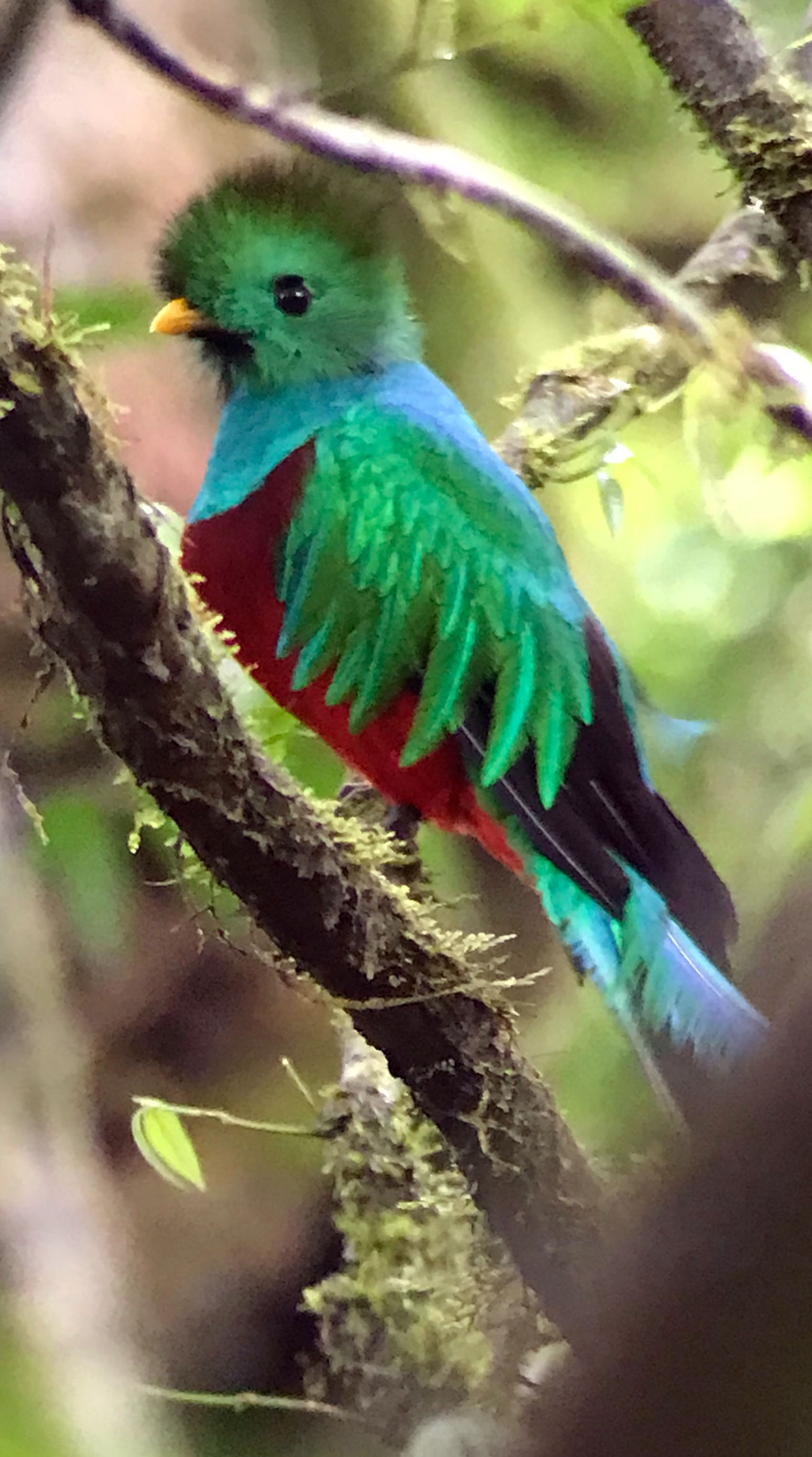
We needed our down jackets up here. After a few nights of winds strong enough to move furniture, plus intermittent rain, we finally entered Monteverde’s Cloud Forest. Noisier than we expected. Three-wattled Bellbirds are the main culprits. Although they make, we think, some of the loudest bird calls anywhere, they are devilishly difficult to track down — even when they open their big mouths and bellow. But Bellbirds aren’t the only prizes. The Resplendent Quetzal tops the list of Cloud Forest must-sees. We get lucky. Gorgeous. So many more birds in this delightful country. I recorded over eighty lifers in Costa Rica and missed a few hundred more.
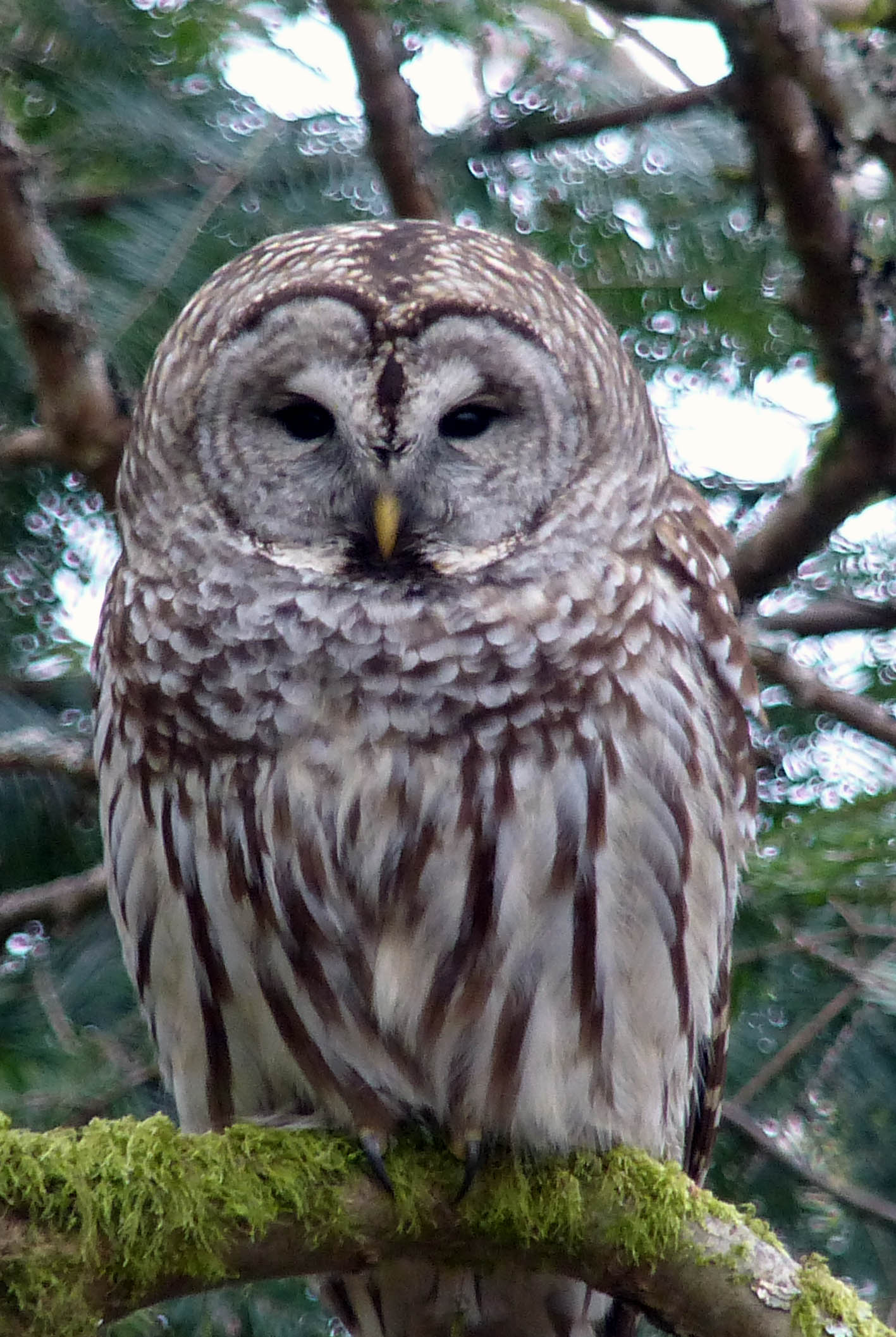
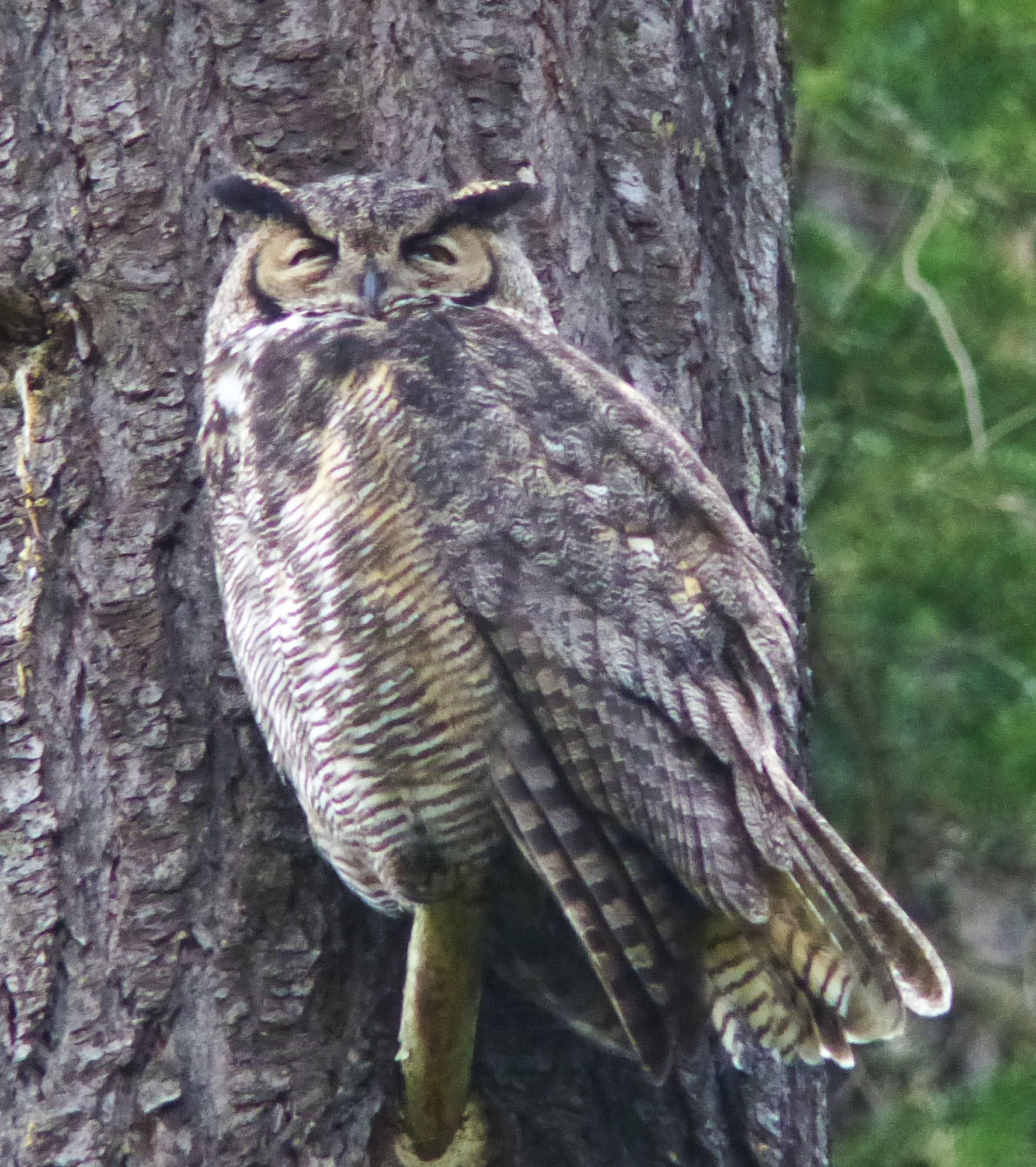
Our mild January weather is kaput. February began with a seriously rainy day but now it’s gone cold and there’s snow in the forecast. A good time to look back on my favourite bird pictures. I’ll start with everybody’s favourite — owls.
Nice to get back to the Rio Grande Valley for a few days to visit the wonderful wildlife refuges where so many beautiful birds and butterflies find sanctuary …
I’m up early hoping to pick up a few Vienna birds before Augarten Park wakes up. The preschool isn’t yet open and early morning joggers are few. Likewise, the porcelain manufactory in Augarten Palace (established in the 18th century) is still closed. So is its pleasant cafe, which is too bad. You can buy a teacup in the shop for 500 euro (sans tea) here if that’s your thing.
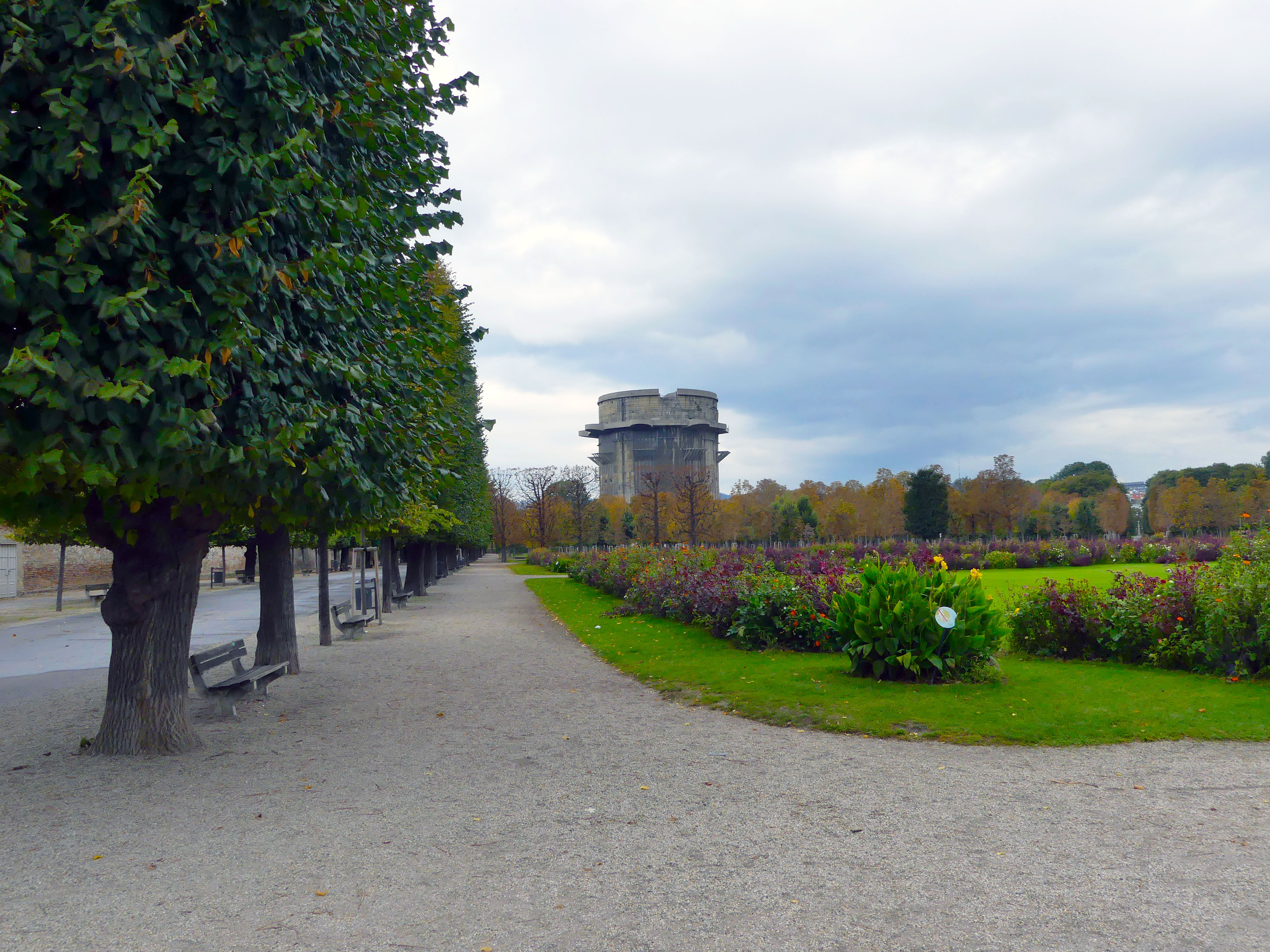
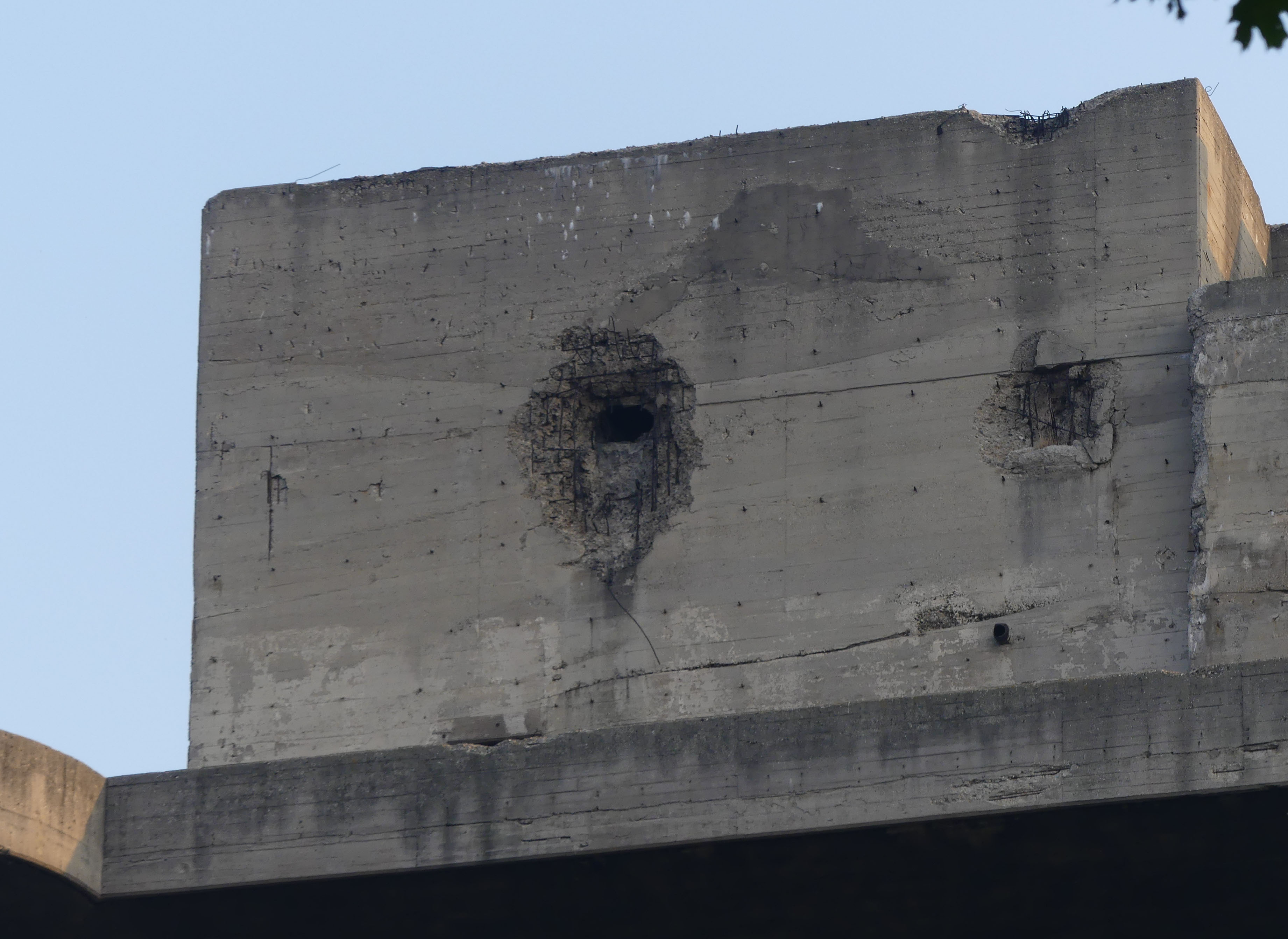
Flak Tower
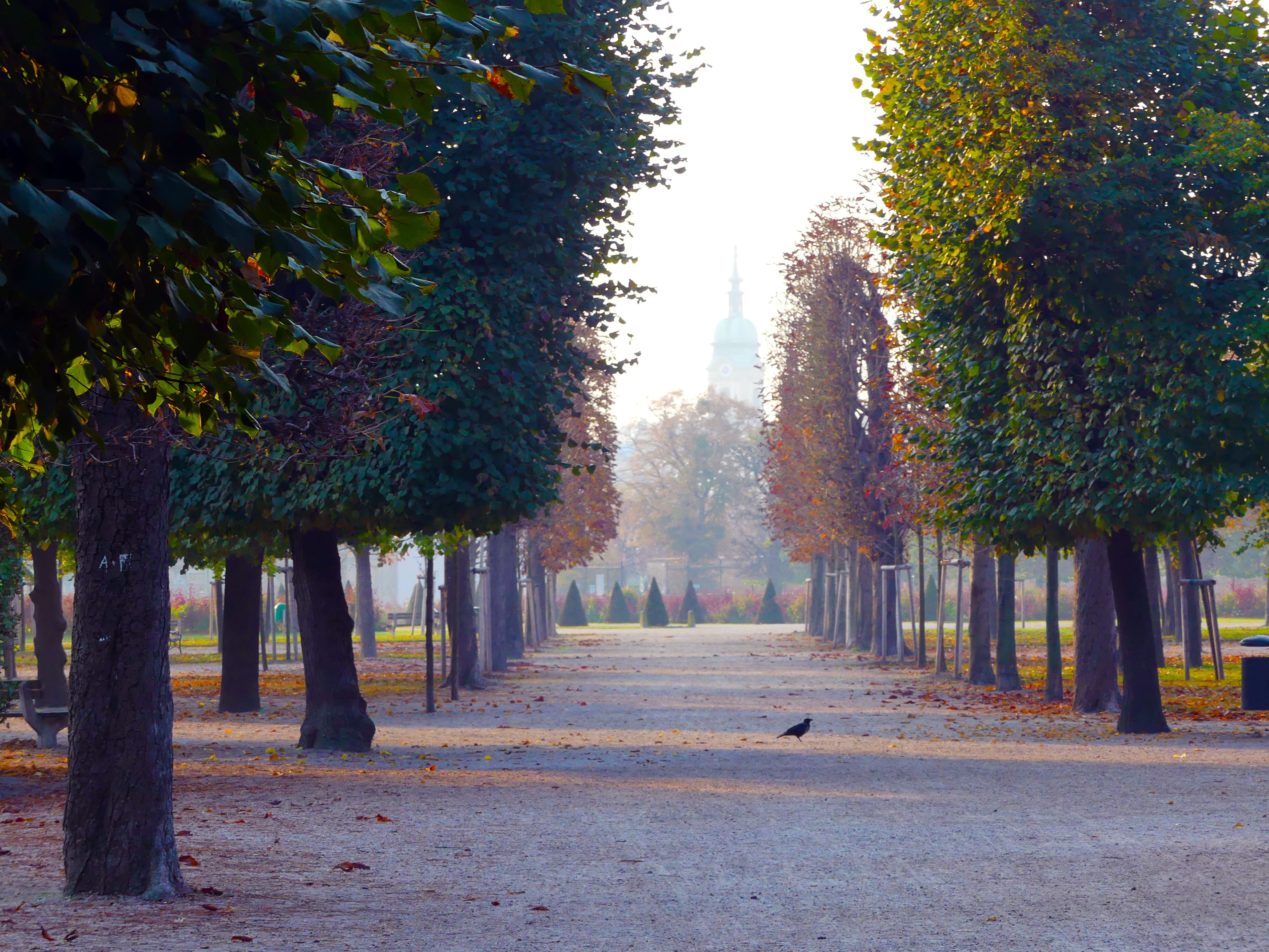
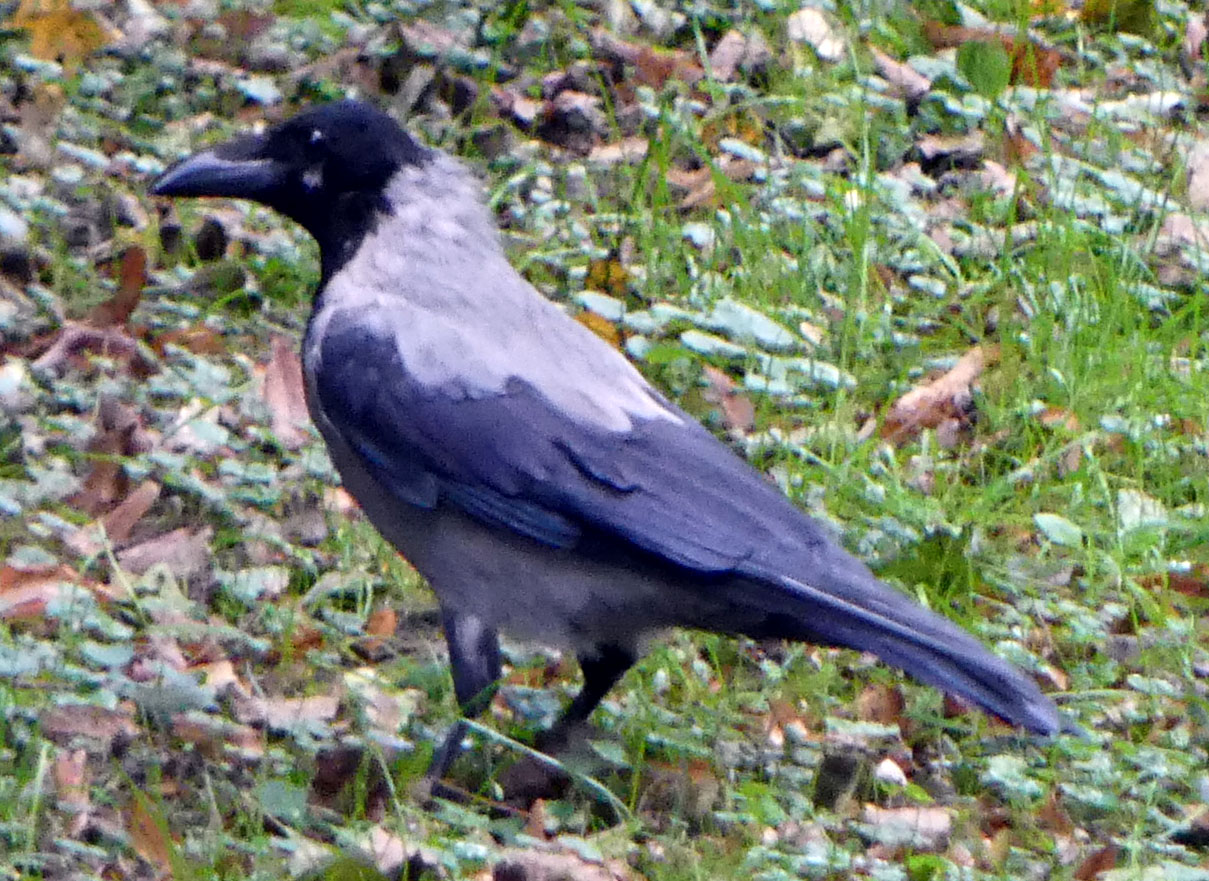
The formal lanes of trees can confuse a newcomer so I use the enormous World War Two flak towers looming over the western side of the gardens as reference points. The entrance to the street or ‘gasse’ we’re staying on is in the opposite direction. Hard to believe now that this area was subject to heavy fighting in 1945 when die-hard Nazis fought the Russians for these massive reinforced concrete anti-aircraft fortresses. You can still see bullet holes and shell craters on the upper levels. Nowadays, the towers provide vantage points for the occasional Peregrine Falcon but little else I think. No Peregrines today, which means birds in the formal gardens might be active. Nothing quietens bird life so much as a cruising falcon with the afterburners on. The park’s many Hooded Crows, cocky and self-assured, don’t seem bothered by much. I fancy they’d treat the rumour of a raptor with studied disdain.
Hooded Crow
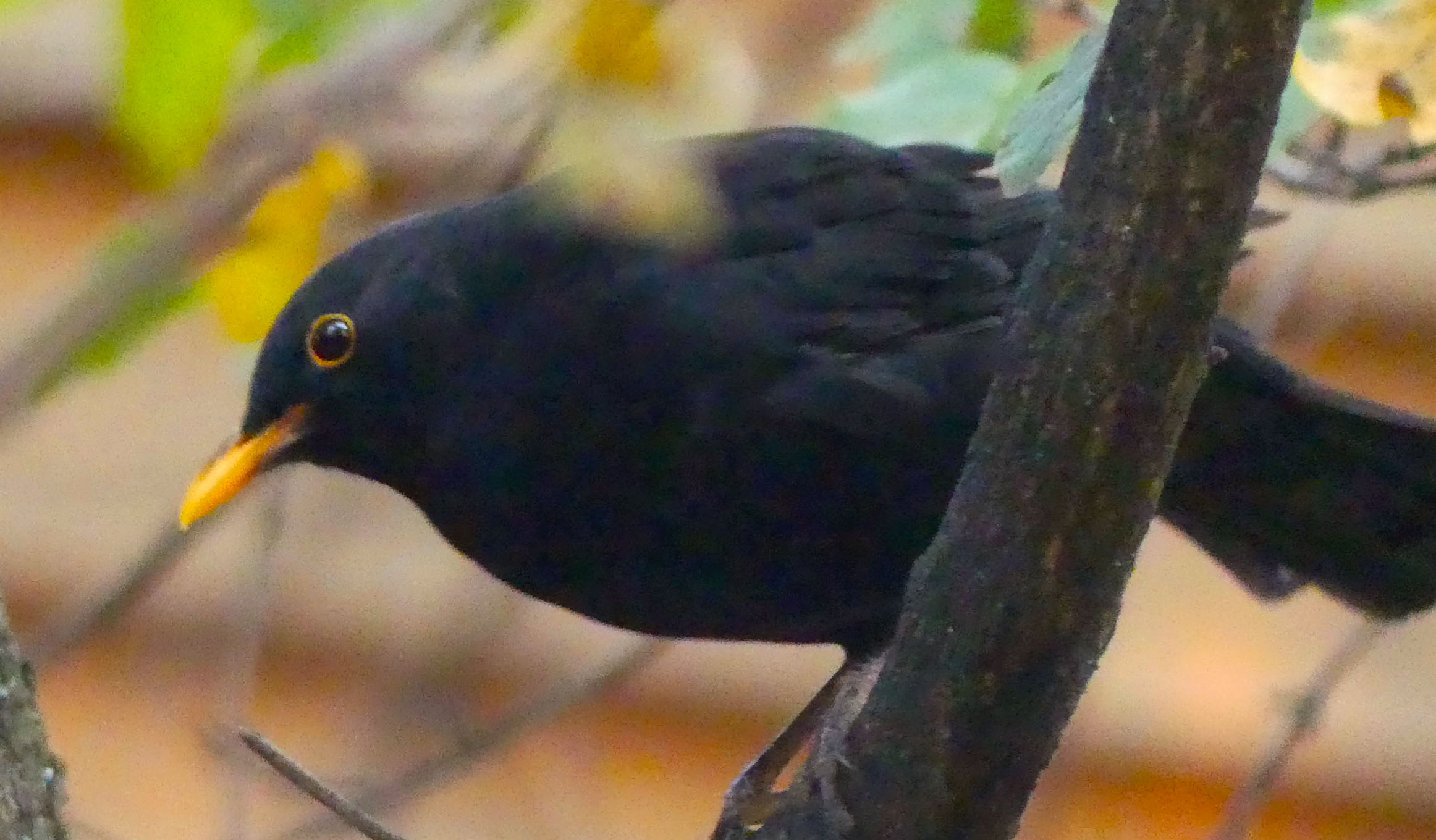
European Blackbird
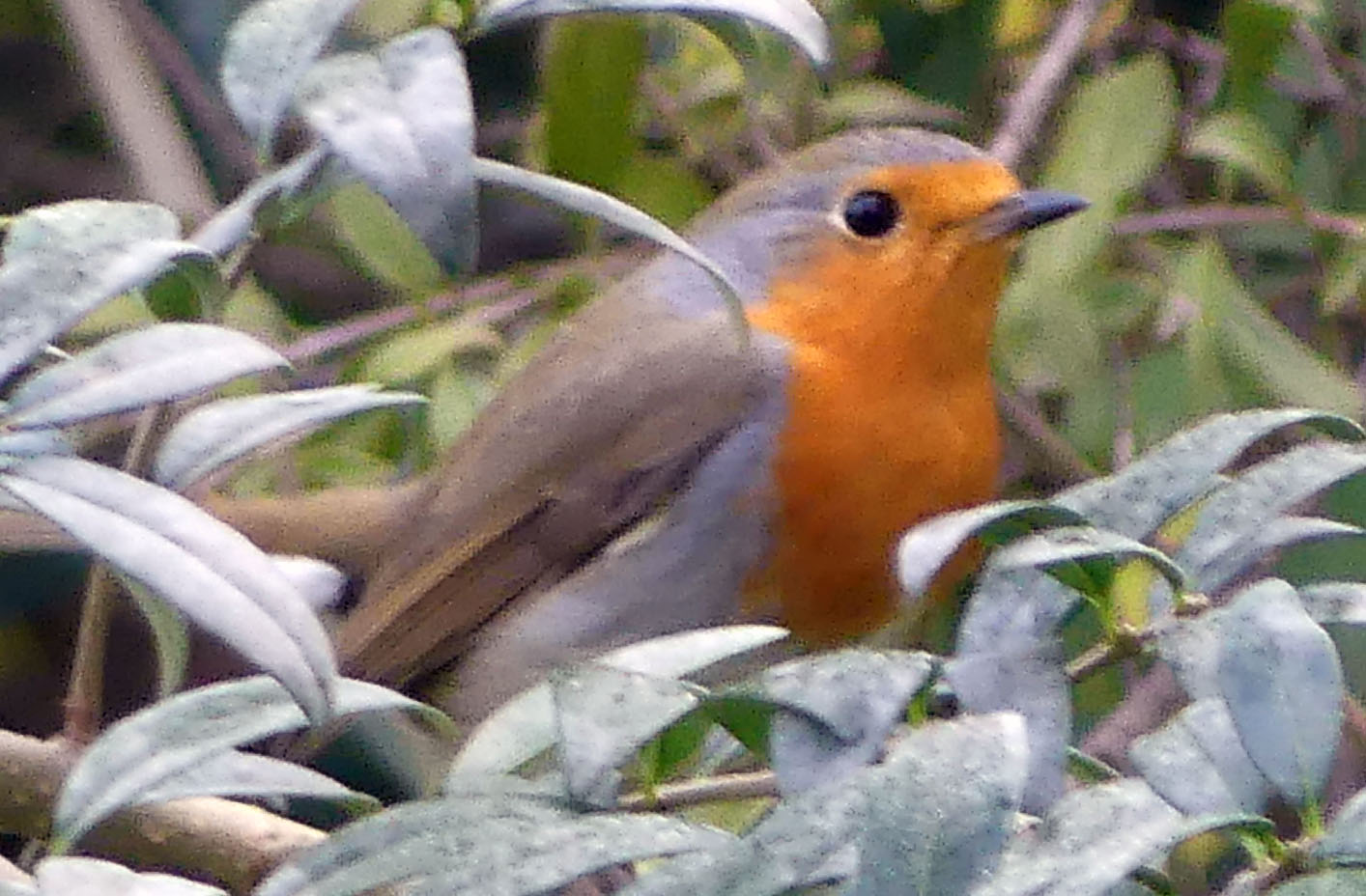
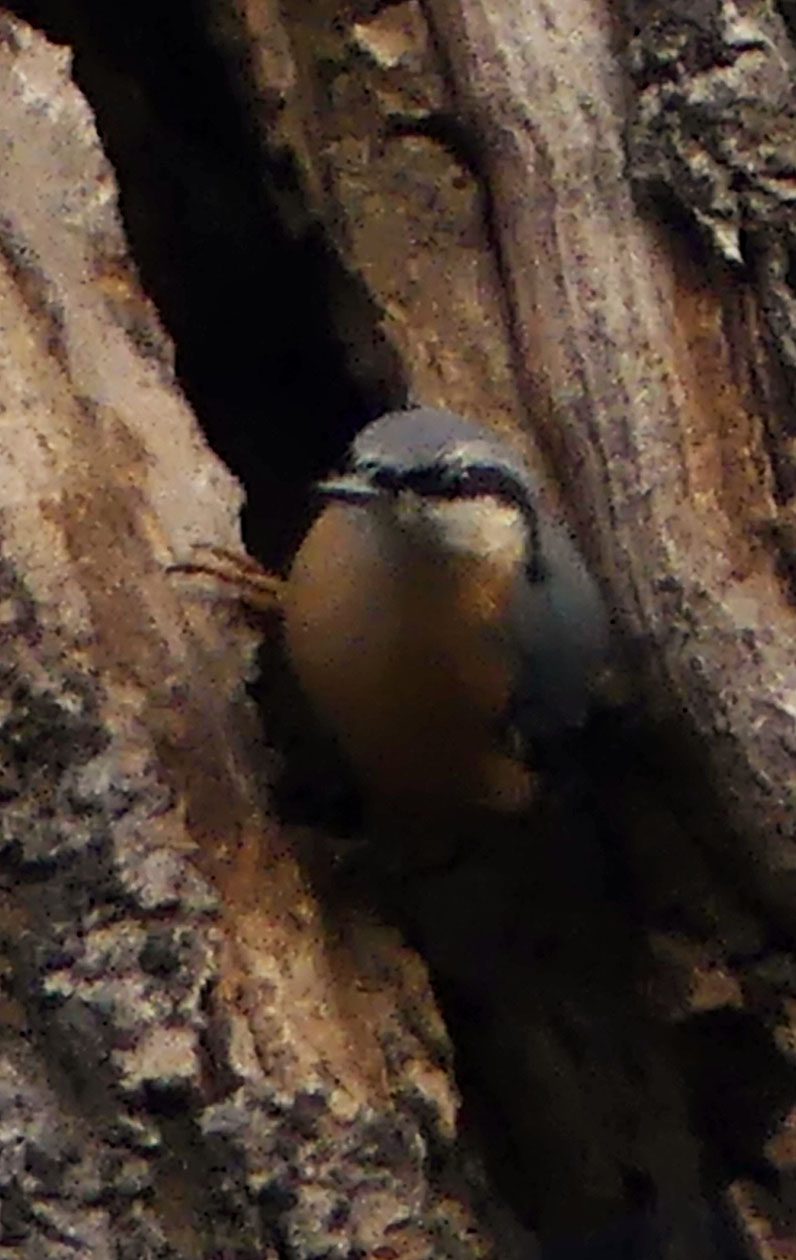
In the cool of early morning I saw few birds and then only briefly but as the sun climbs higher more appear. Even so, an unseasonably warm October has helped trees keep their leaves and their avian residents are hard to spot — noisy but invisible. They have to get hungry and at last they do. A pair of busy Nuthatches investigate a crack in the trunk of a mighty oak. Nearby a squad of European Blackbirds work a patch of shrubbery. A European Robin appears. I still call them English Robins, because my English parents did. Cute little guys — the robins, I mean, not my parents. No relation to our Robins, these birds. Ours are thrushes and kinfolk to European Blackbirds, also thrushes. The Europeans are a kind of flycatcher.
European Robin
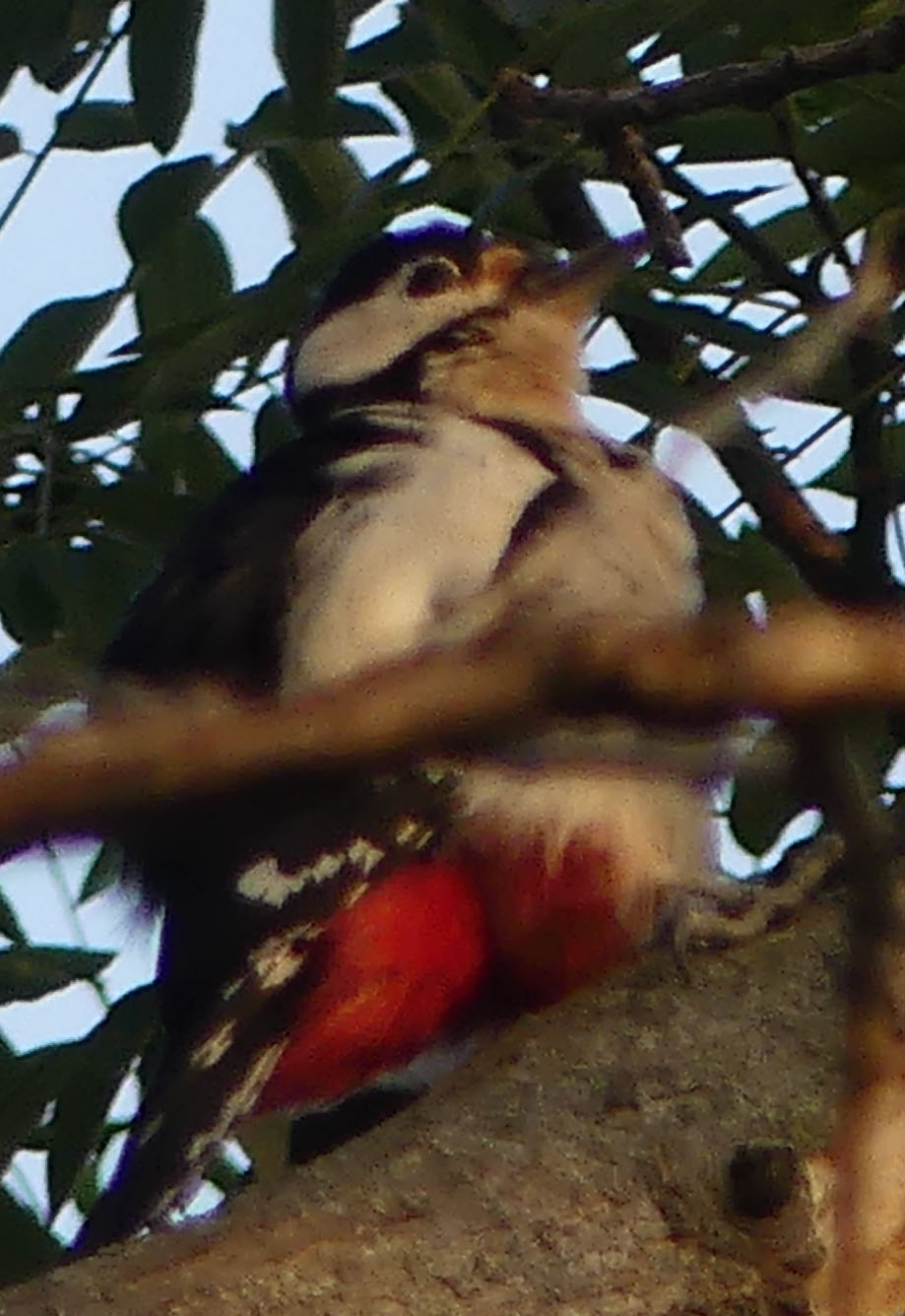
It gets busier as the morning chill lifts. Great Tit fly across the gravelled lanes as they move between forest patches. And there are Blue Tit here too. Related to out Chickadees, they’re busy, hanging from branches and picking up insects lurking on the undersides of leaves. I see several Green Woodpeckers but these large birds vanish into the treetops before I can get a picture. A Great Spotted Woodpecker is more cooperative. This bird makes a guest appearance in the movie ‘The Big Year’ – a non-migratory European bird in western North America. Well, stranger things have happened. And then its time to go, a Viennese coffee and yet another Sacher Torte await. Yes, you can eat Sacher Torte for breakfast.









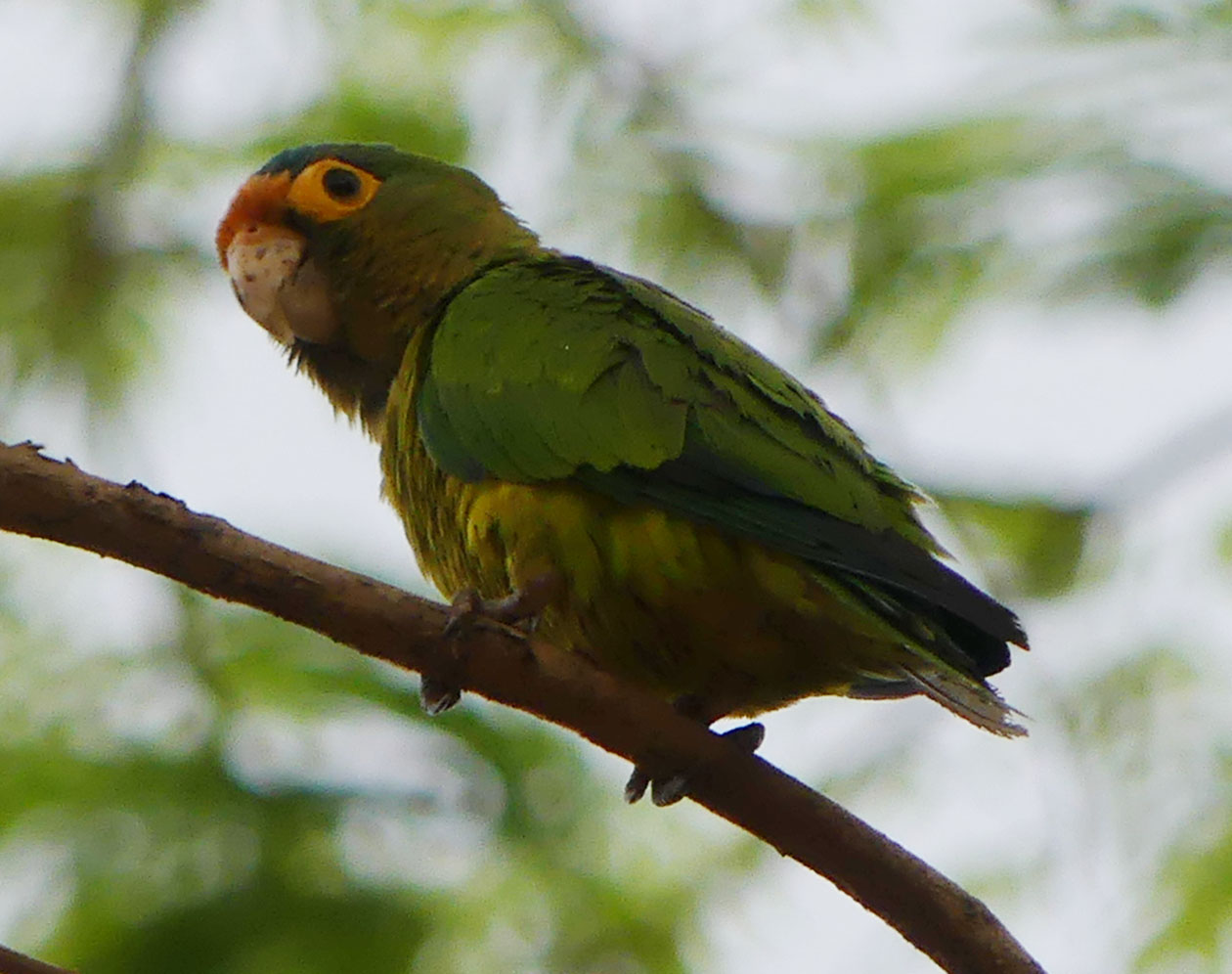 Orange-fronted Parakeet





















 Bird Noetz