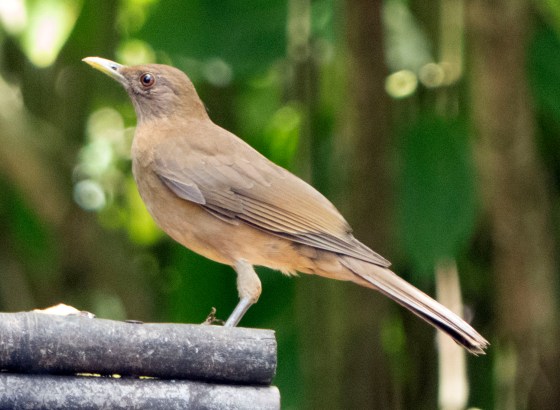
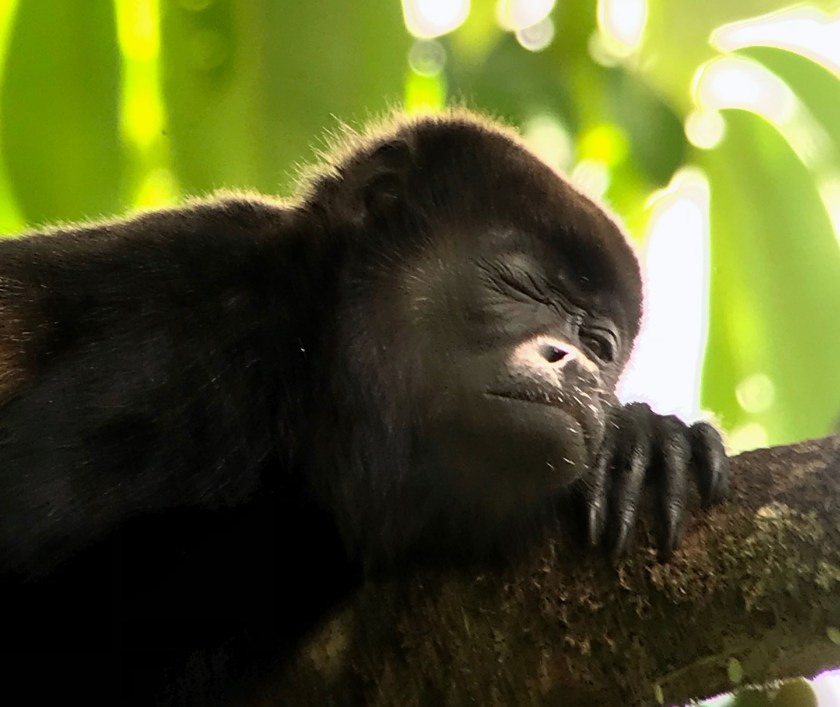
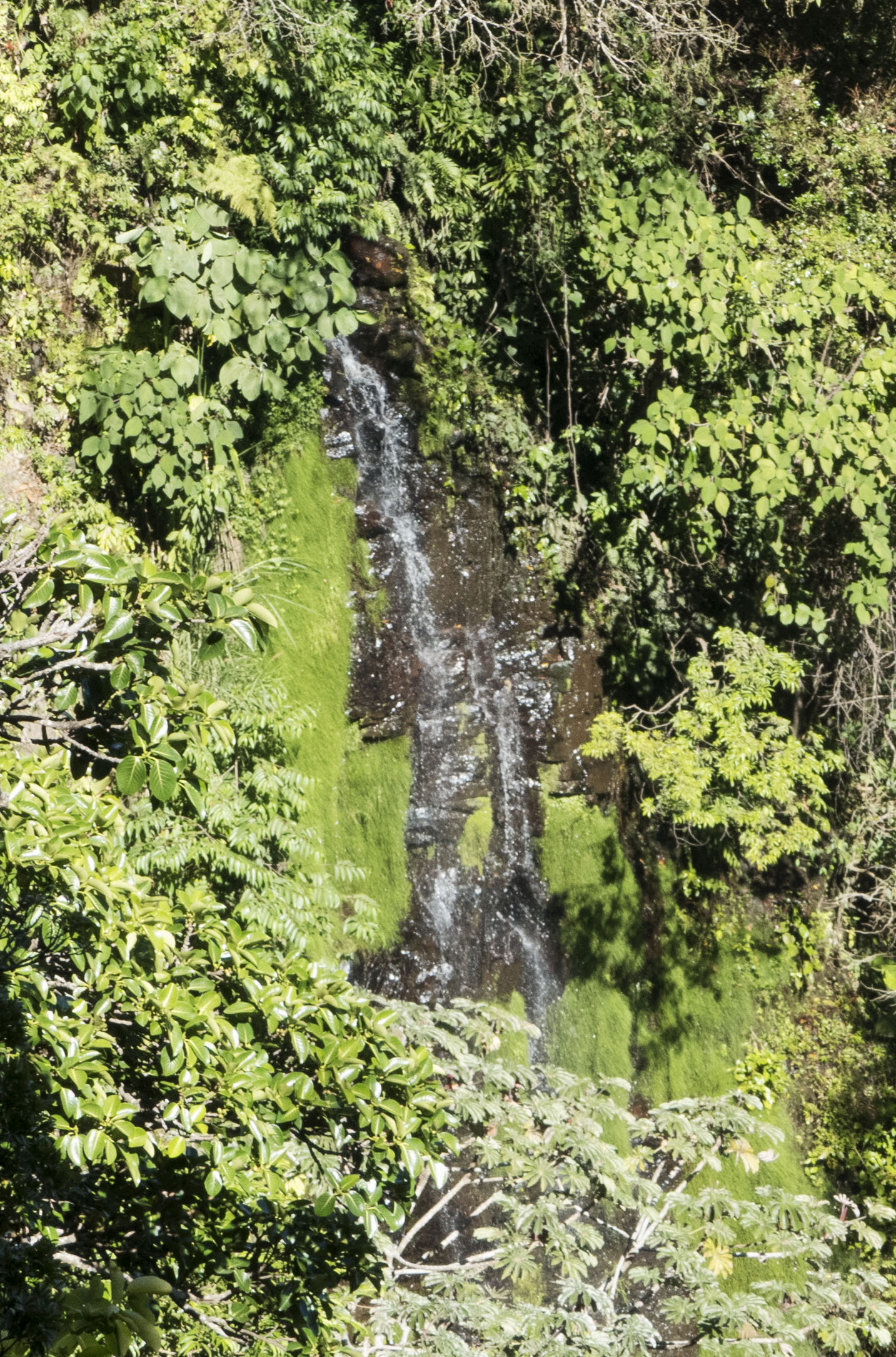
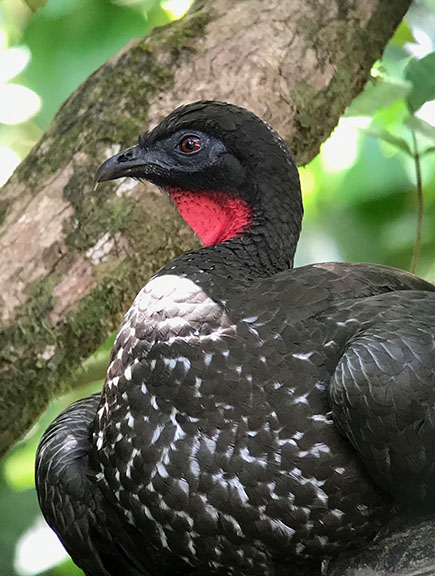
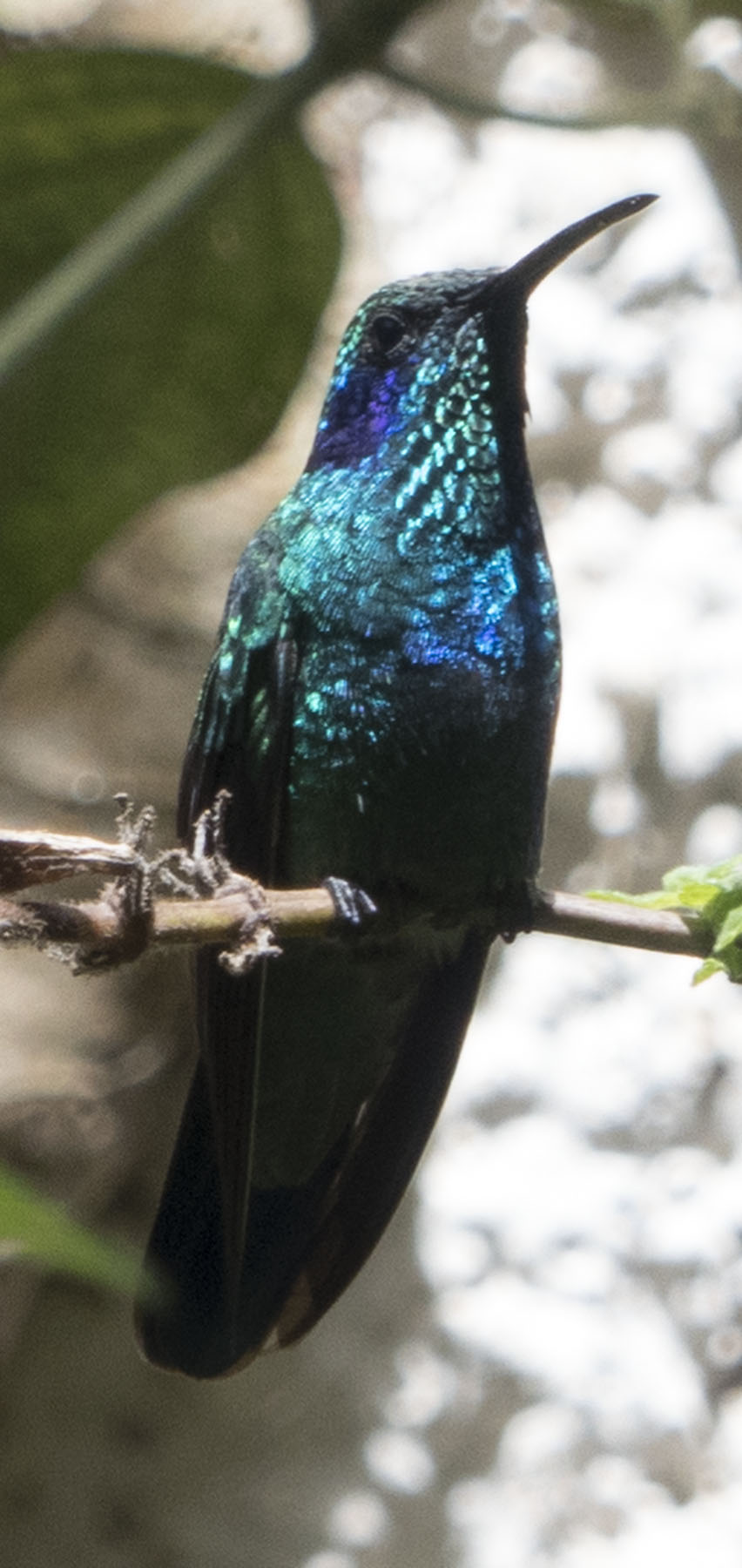
Decades ago, some friends and I planned to drive the Pan-American Highway from Vancouver BC to Tierra Del Fuego. It never happened. The 1956 VW van I’d rebuilt and camperized never made it to Costa Rica — the government of that country took the time to us well. I finally got to the, for me, fabled highway. Not as glamorous as I thought, incidentally. More important, I got to experience Costa Rica’s wonderful wildlife.
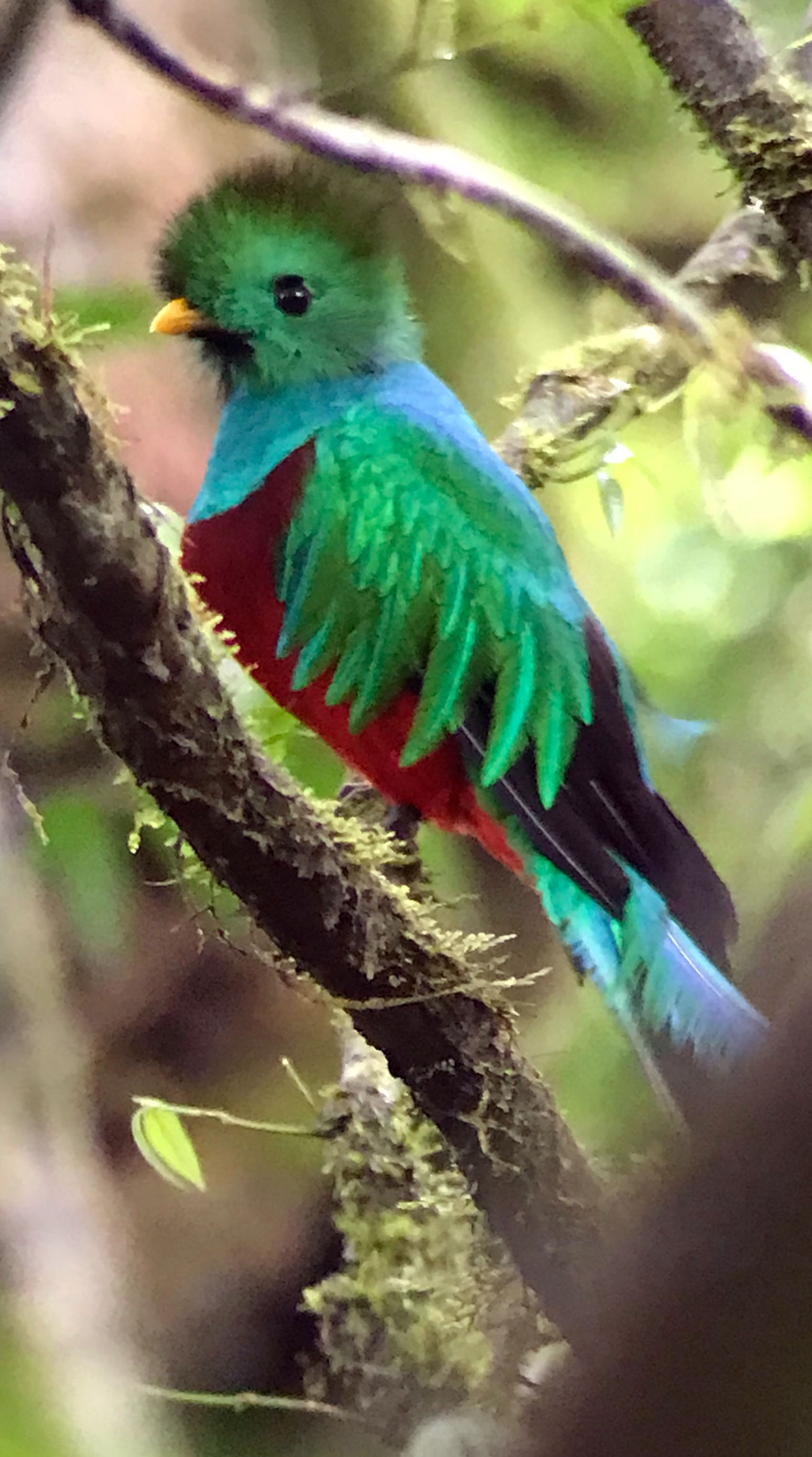
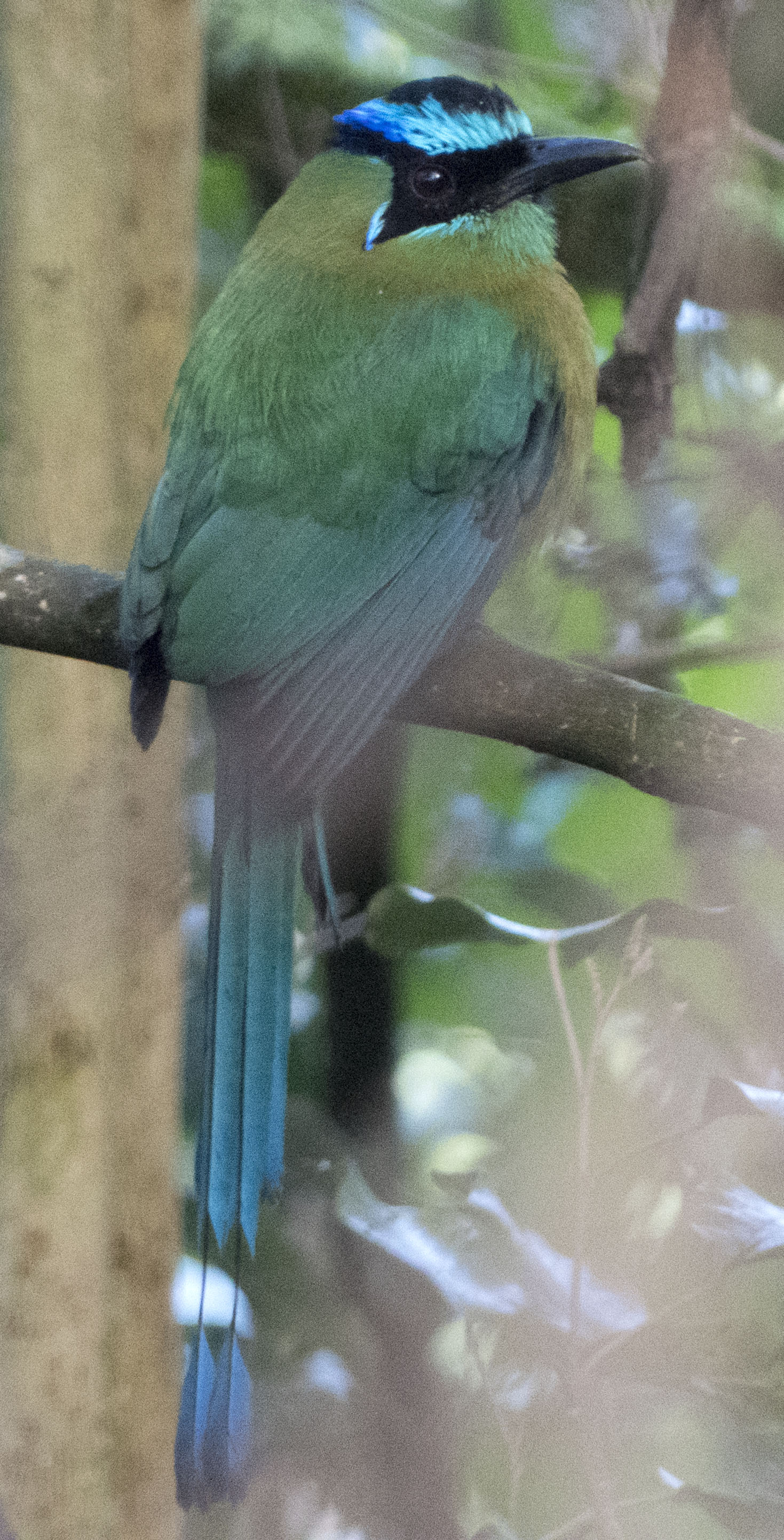
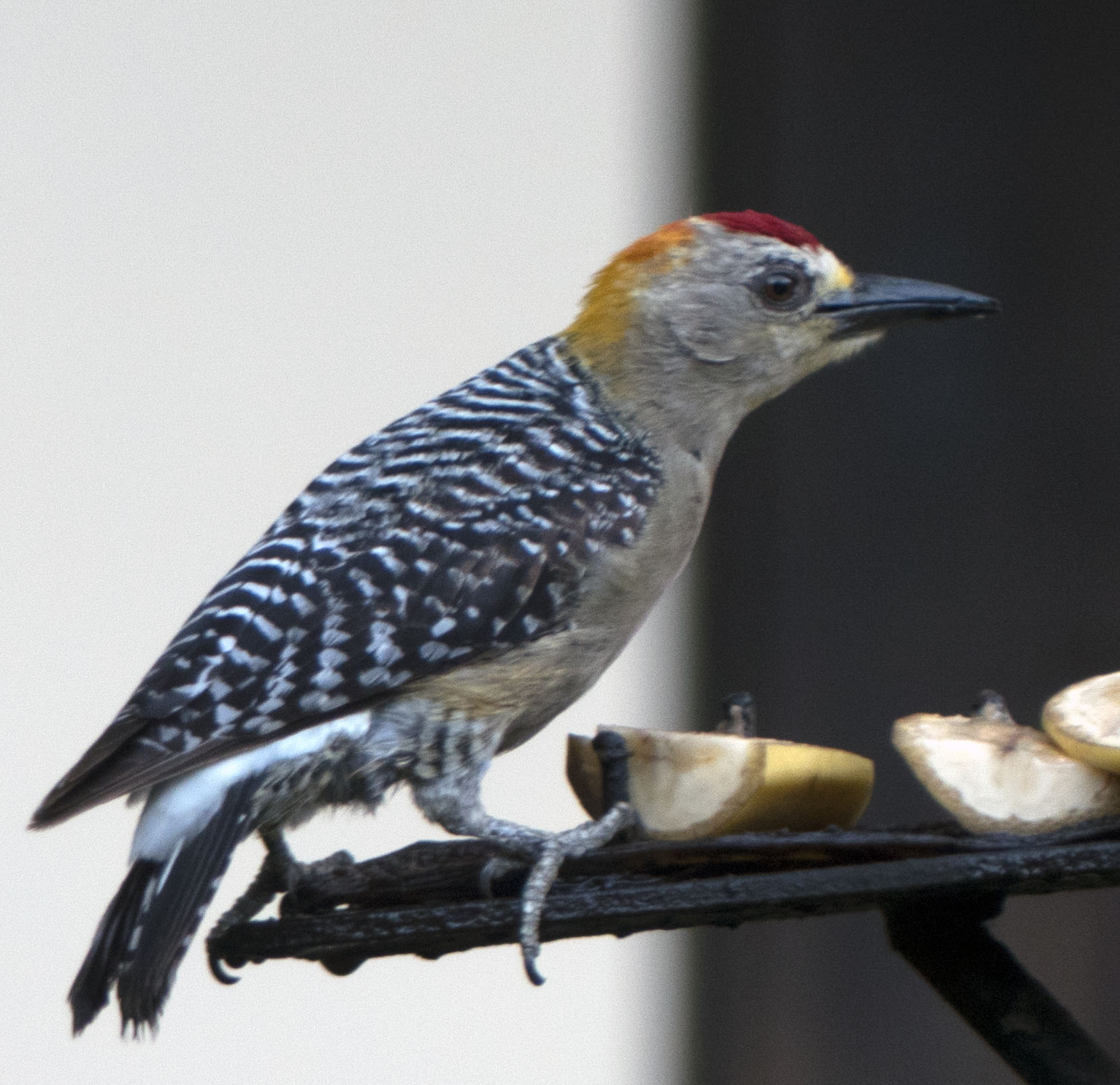
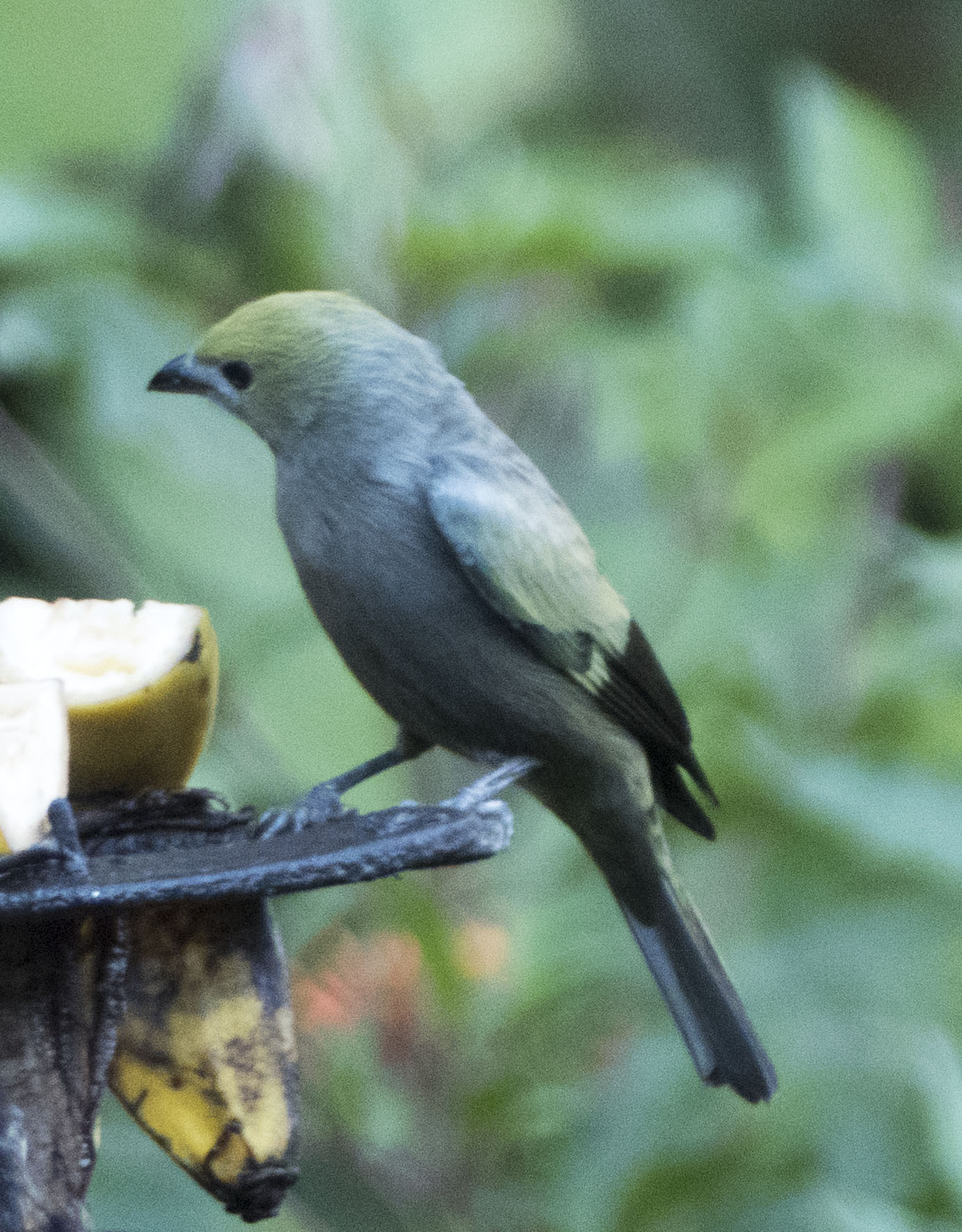
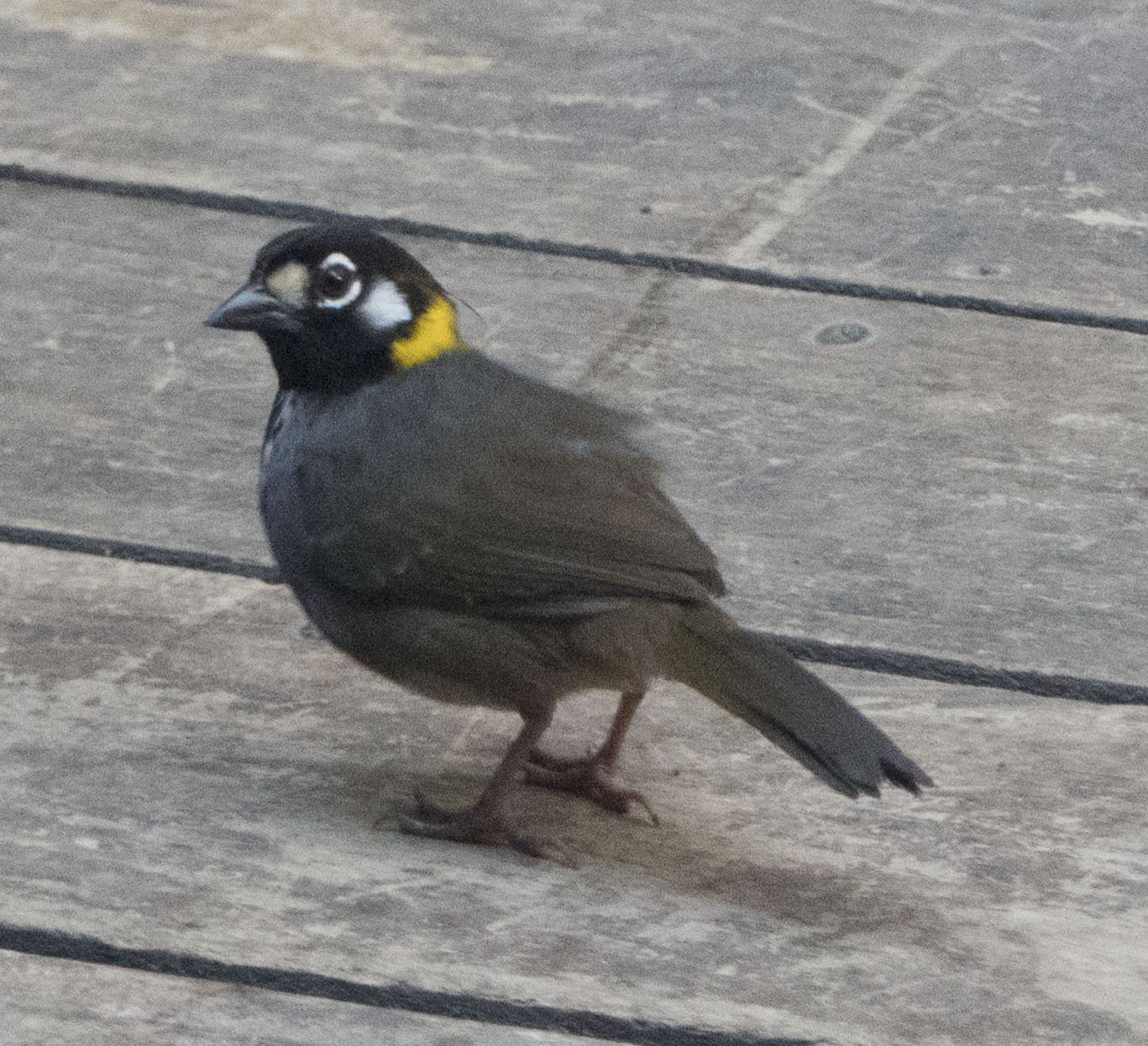
We needed our down jackets up here. After a few nights of winds strong enough to move furniture, plus intermittent rain, we finally entered Monteverde’s Cloud Forest. Noisier than we expected. Three-wattled Bellbirds are the main culprits. Although they make, we think, some of the loudest bird calls anywhere, they are devilishly difficult to track down — even when they open their big mouths and bellow. But Bellbirds aren’t the only prizes. The Resplendent Quetzal tops the list of Cloud Forest must-sees. We get lucky. Gorgeous. So many more birds in this delightful country. I recorded over eighty lifers in Costa Rica and missed a few hundred more.
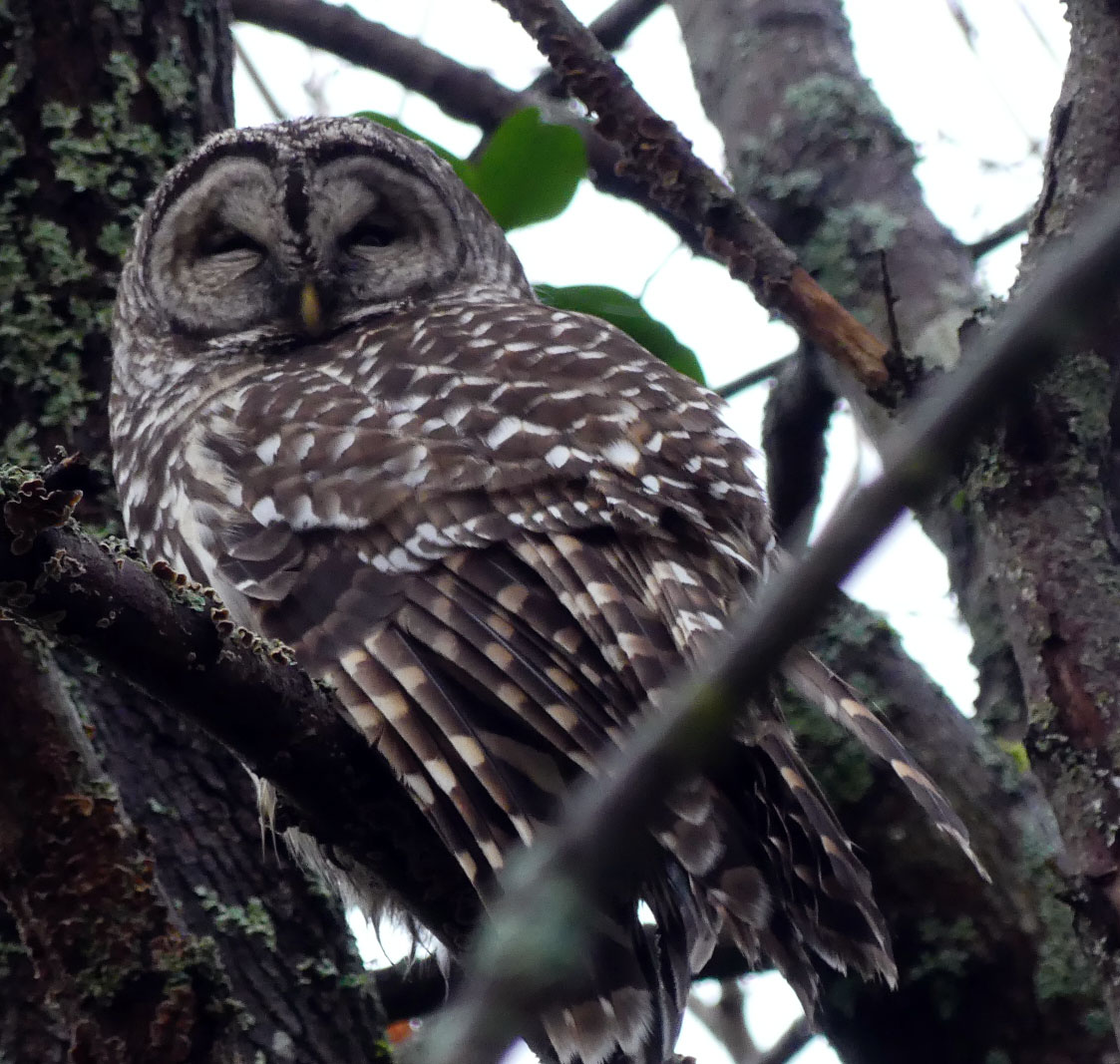
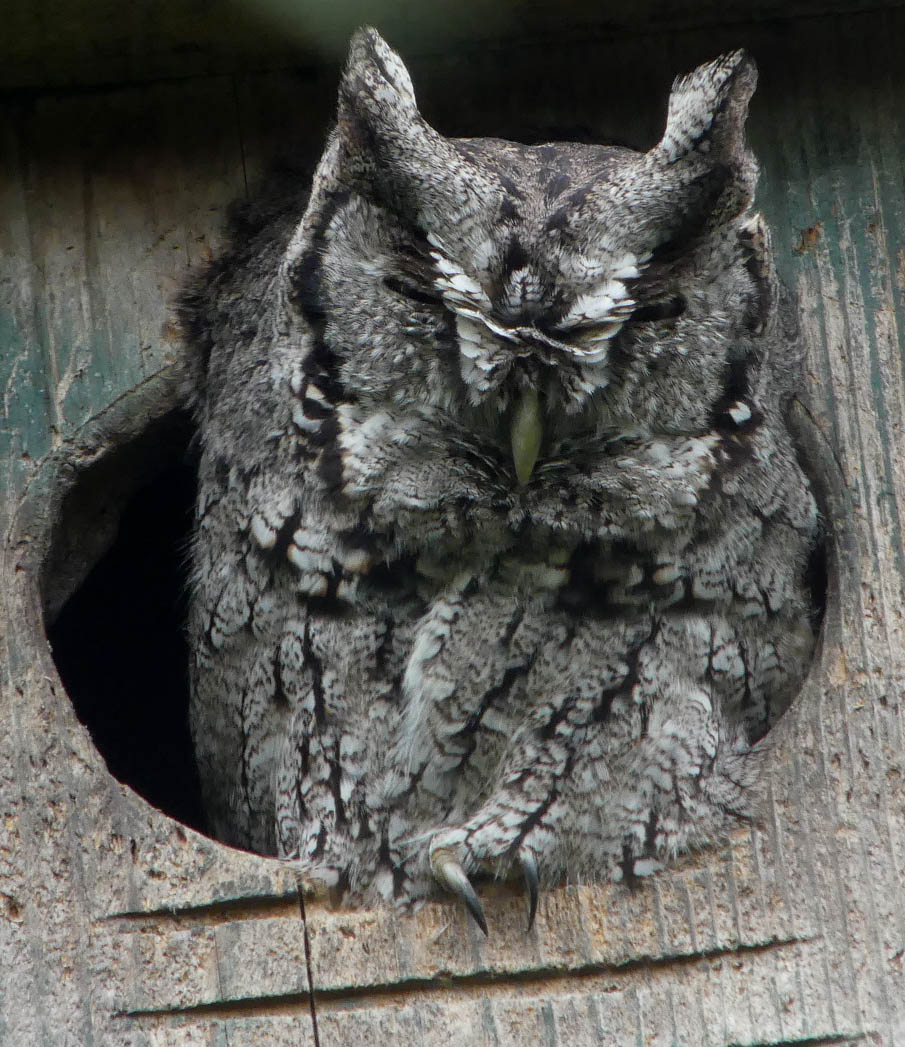
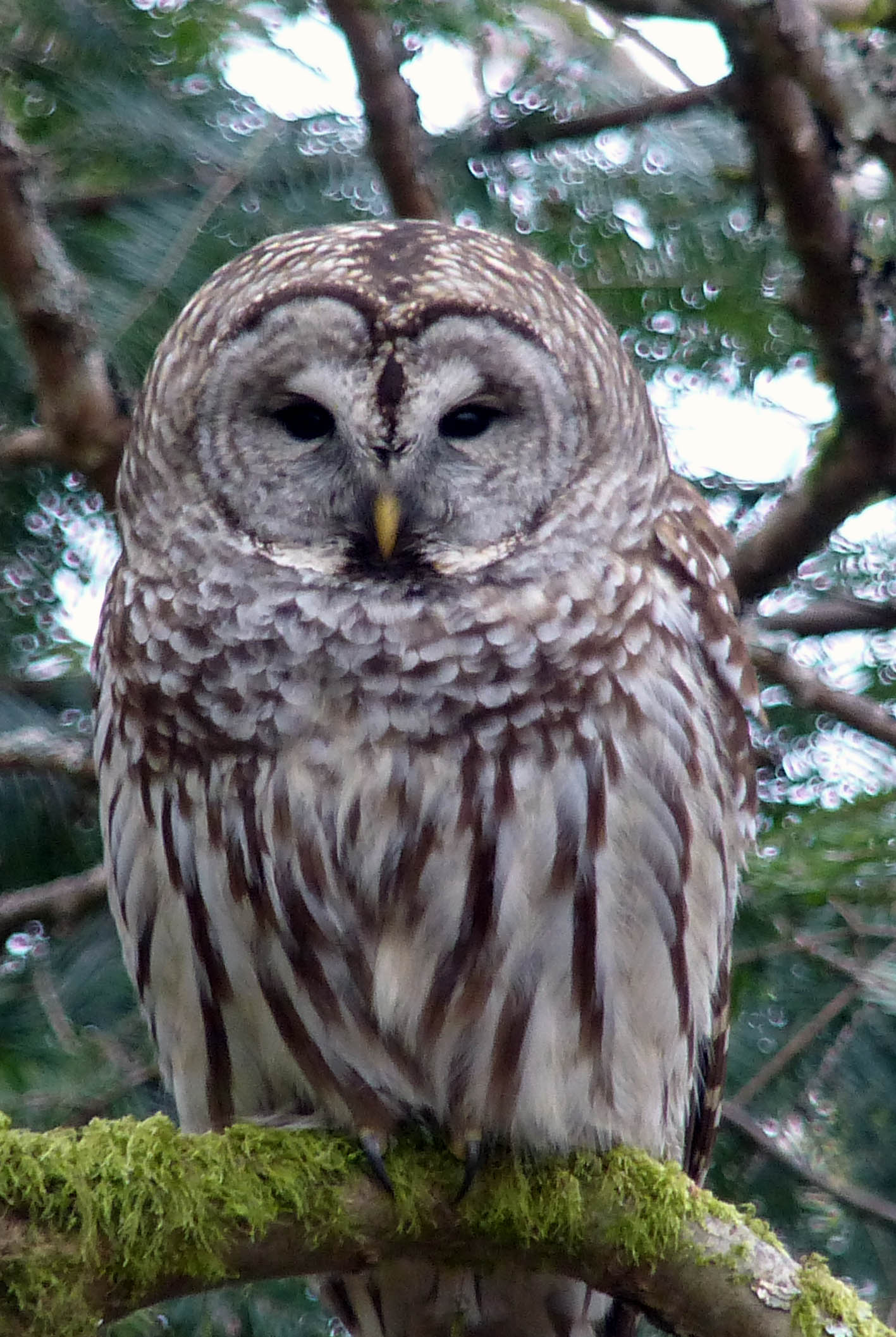
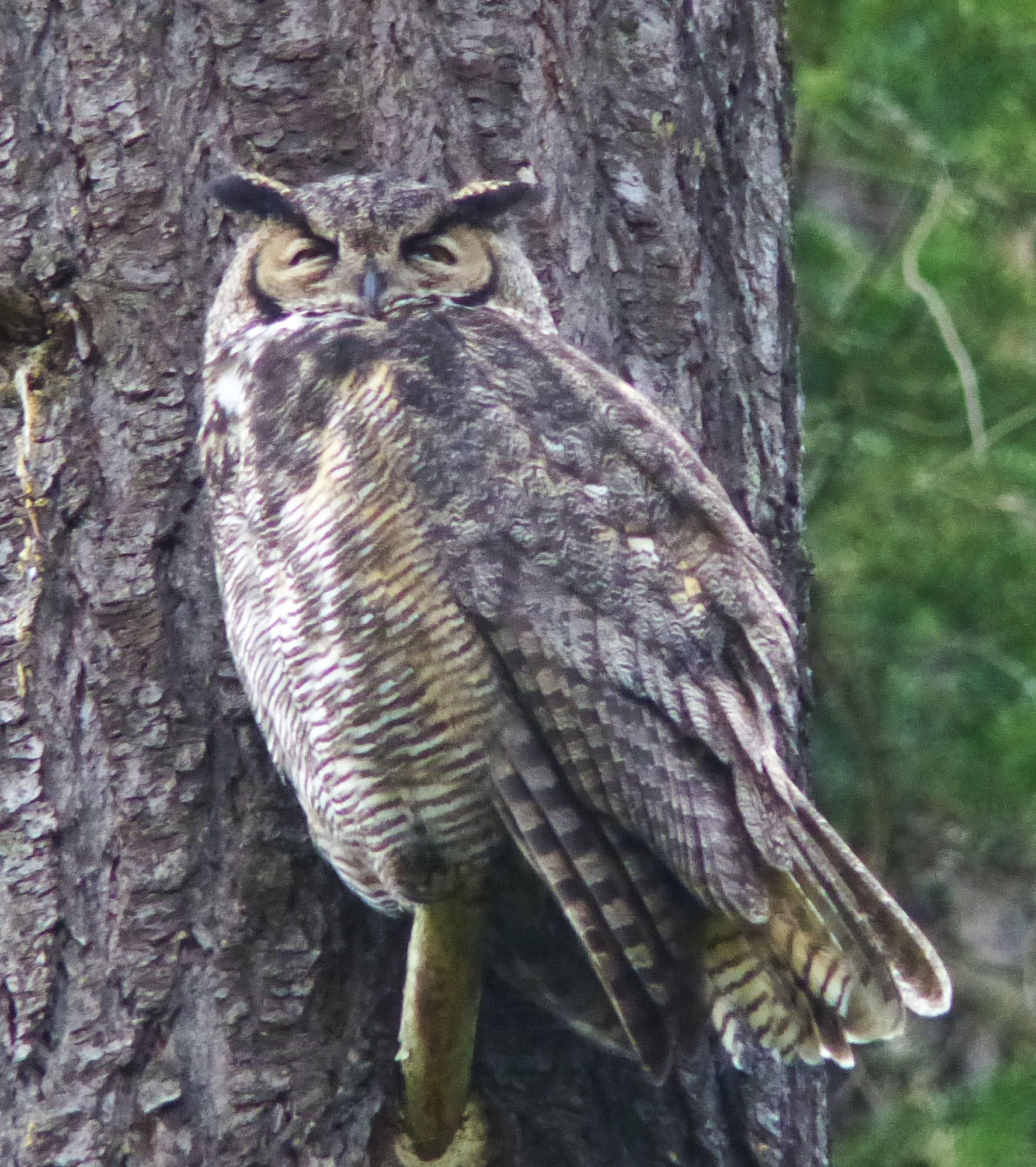
Our mild January weather is kaput. February began with a seriously rainy day but now it’s gone cold and there’s snow in the forecast. A good time to look back on my favourite bird pictures. I’ll start with everybody’s favourite — owls.
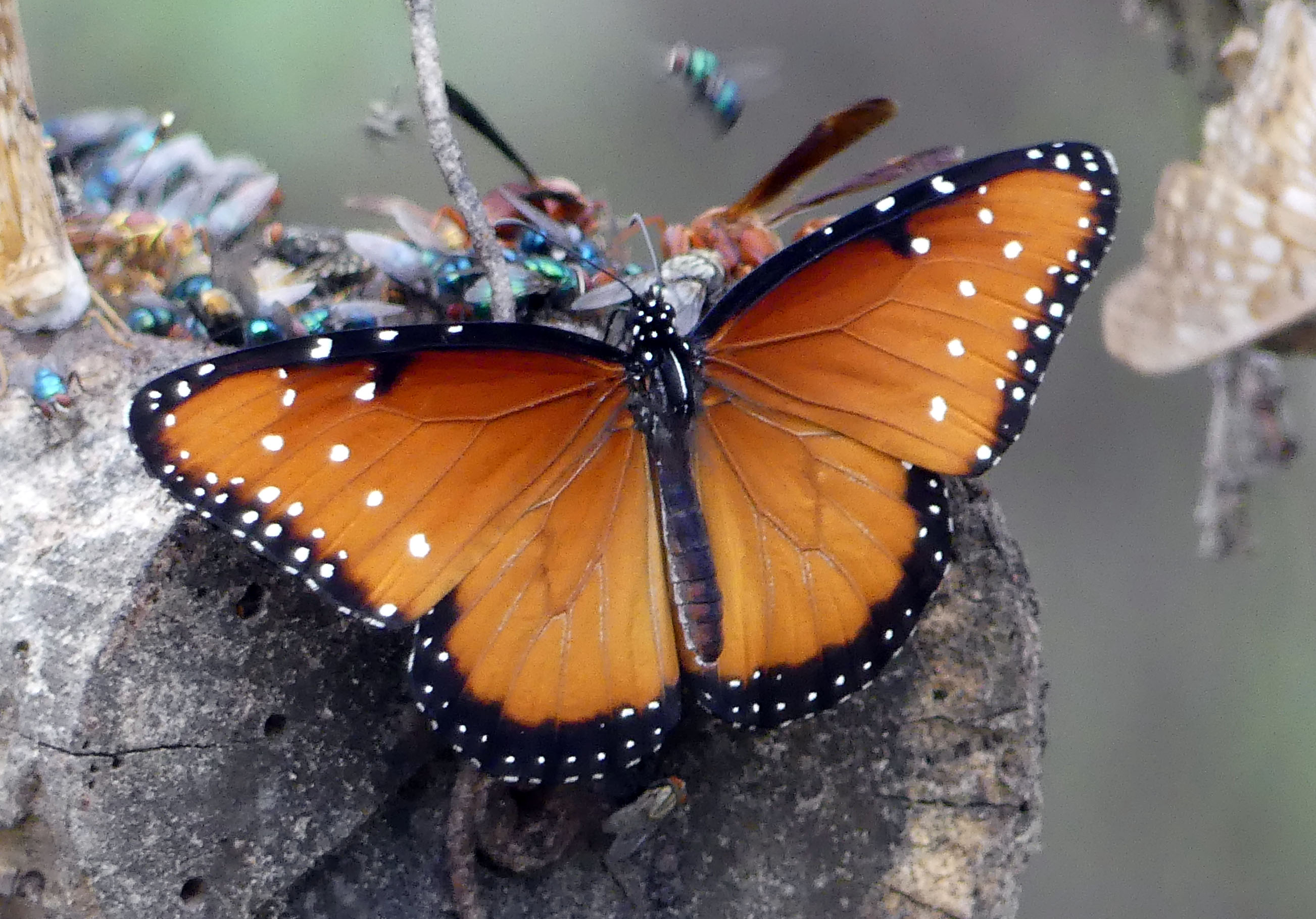
Nice to get back to the Rio Grande Valley for a few days to visit the wonderful wildlife refuges where so many beautiful birds and butterflies find sanctuary …
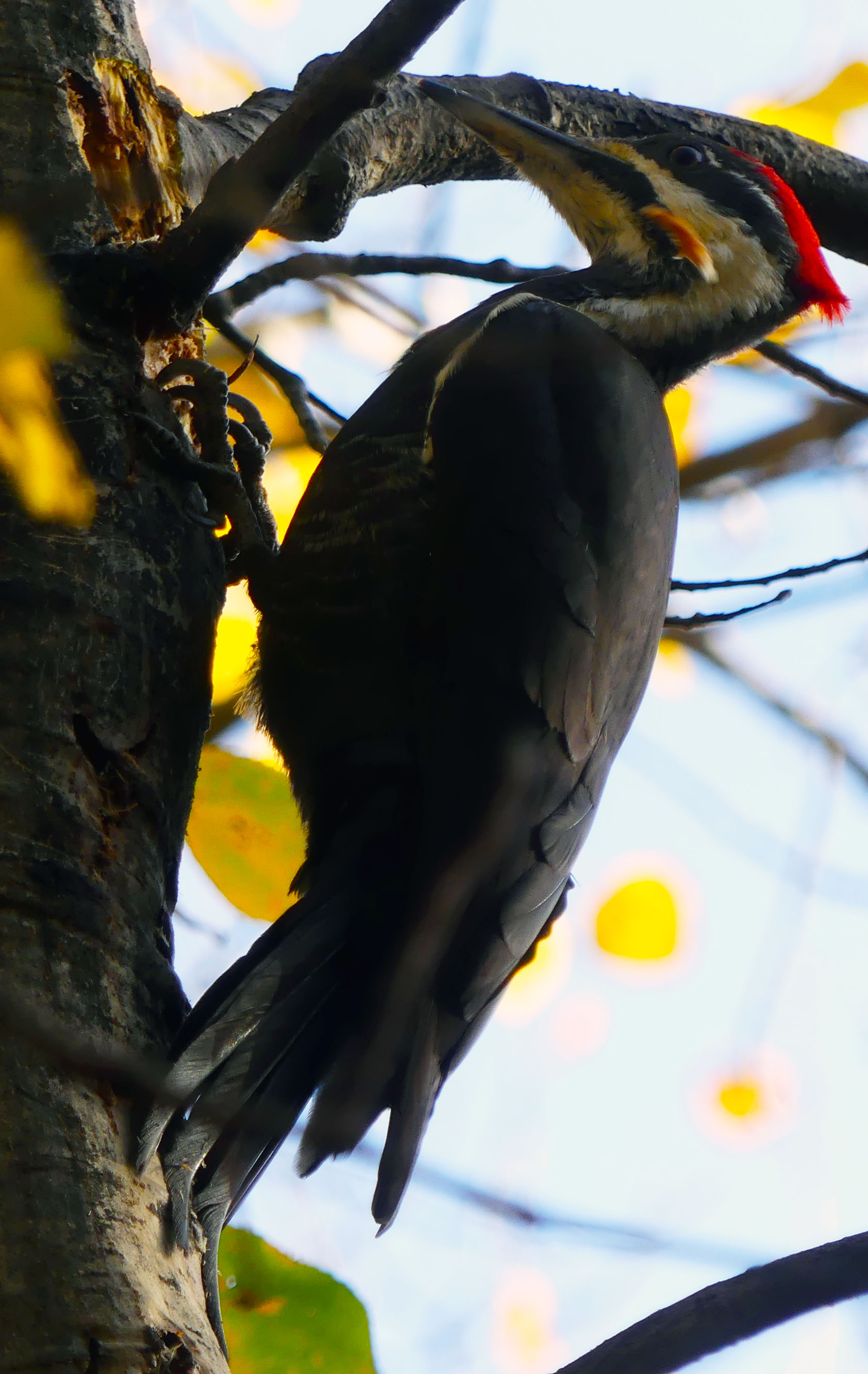
I’m very fond of Pileated Woodpeckers. They’re large and spectacular and not uncommon. I haven’t had a good view of one this year however. They keep eluding me — like rare birds. I see the big holes they’ve drilled in path-side trees. I hear their loud drilling, like the hammering of a tipsy carpenter. Of the bird, I’ve had only glimpses. Individuals flying mostly. This morning however…
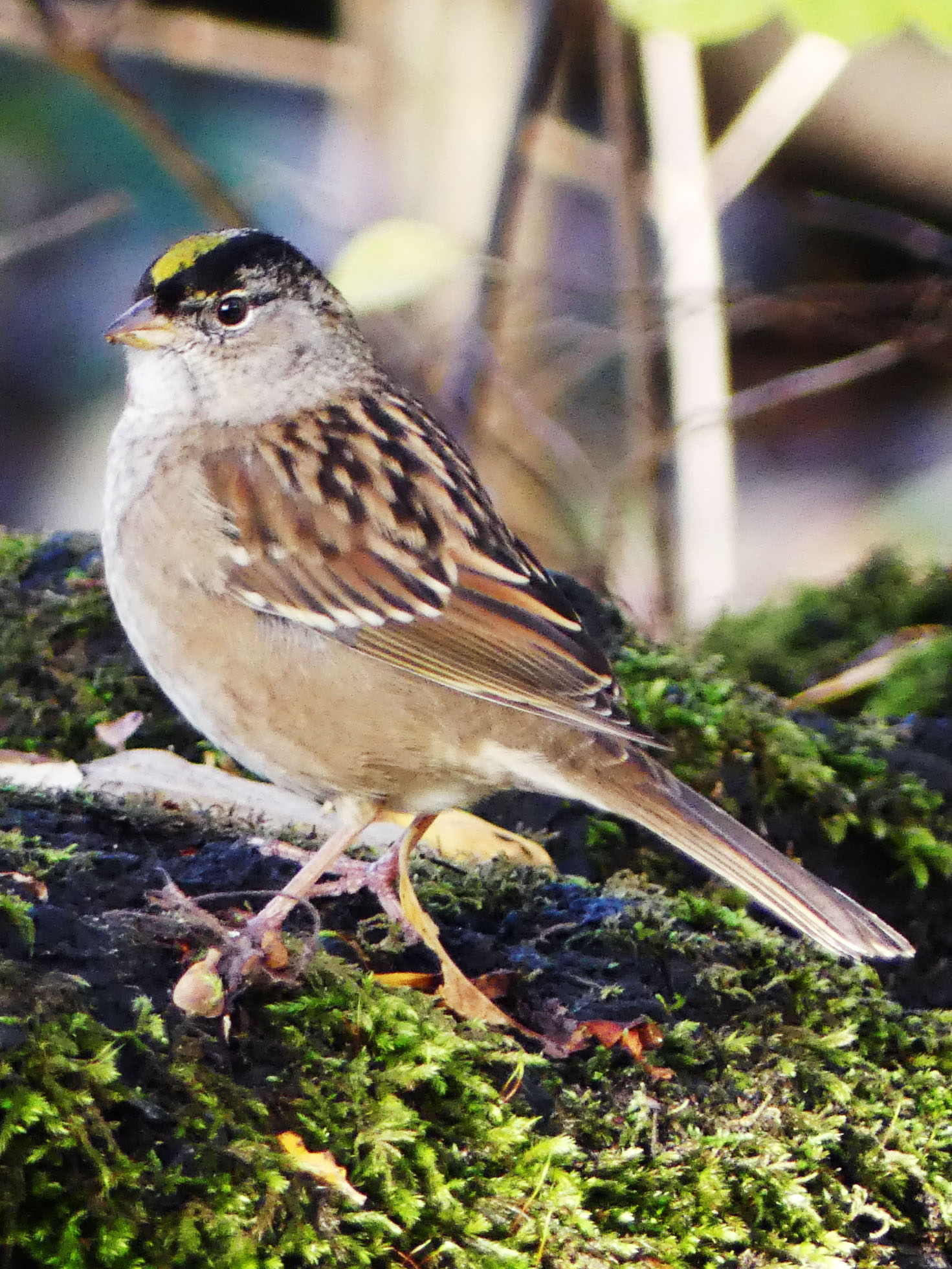
Yesterday we had storms here and the rain bucketed down. Today, morning sunlight penetrates even the densest thickets. After a seriously wet day, Golden-crowned Sparrows feed as if making up for lost time. We tend to overlook common birds though many are strikingly beautiful.
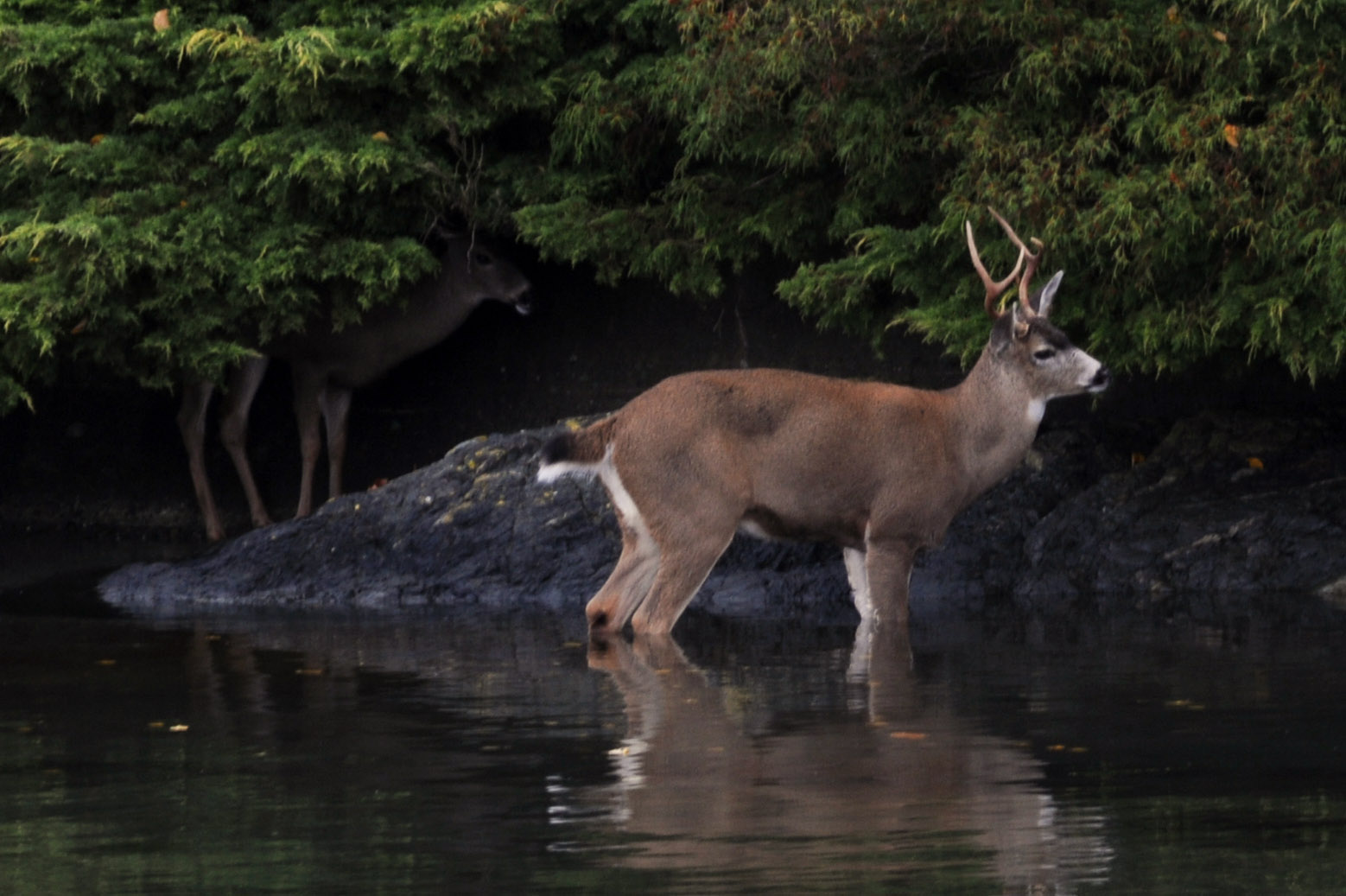
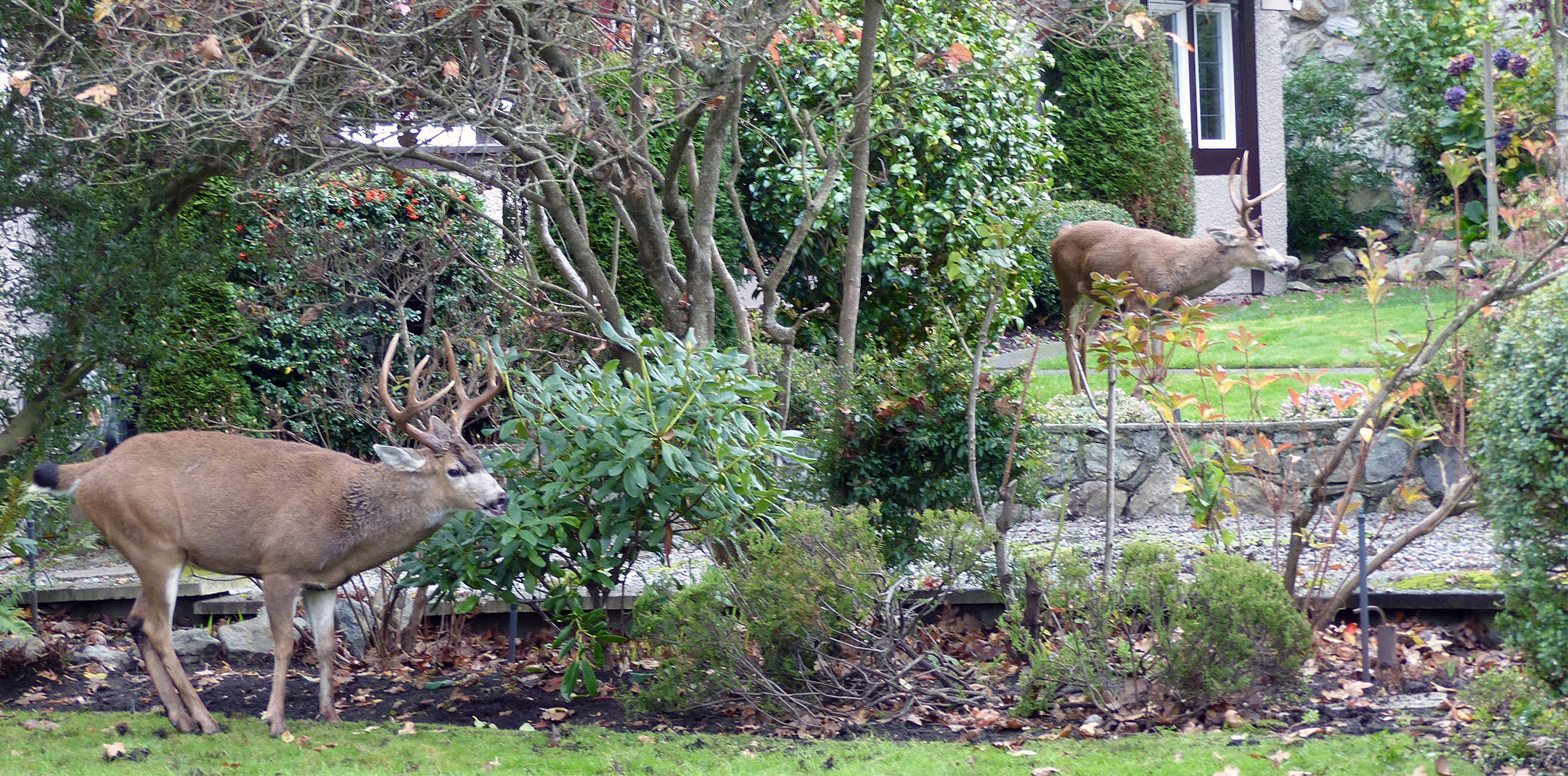
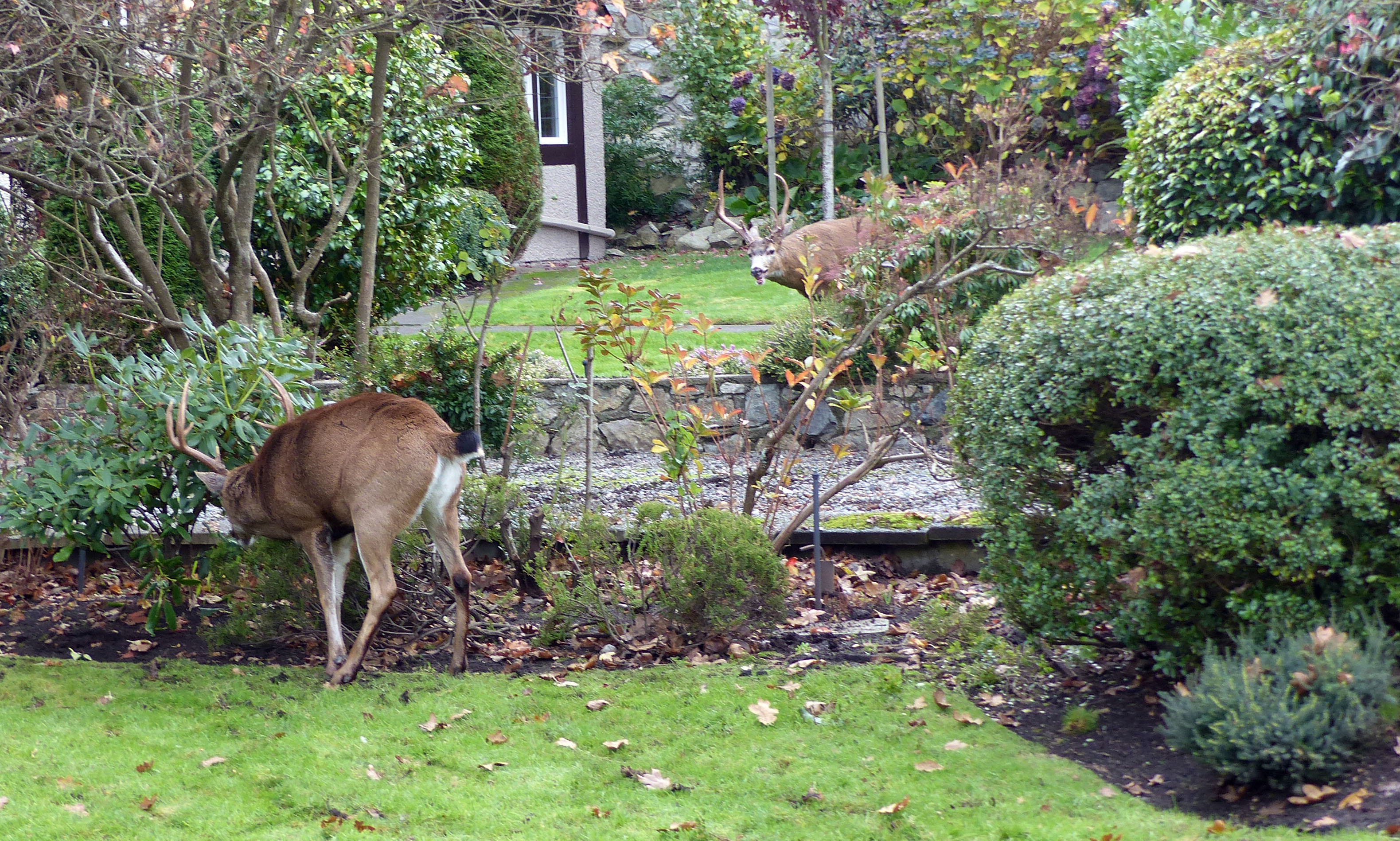
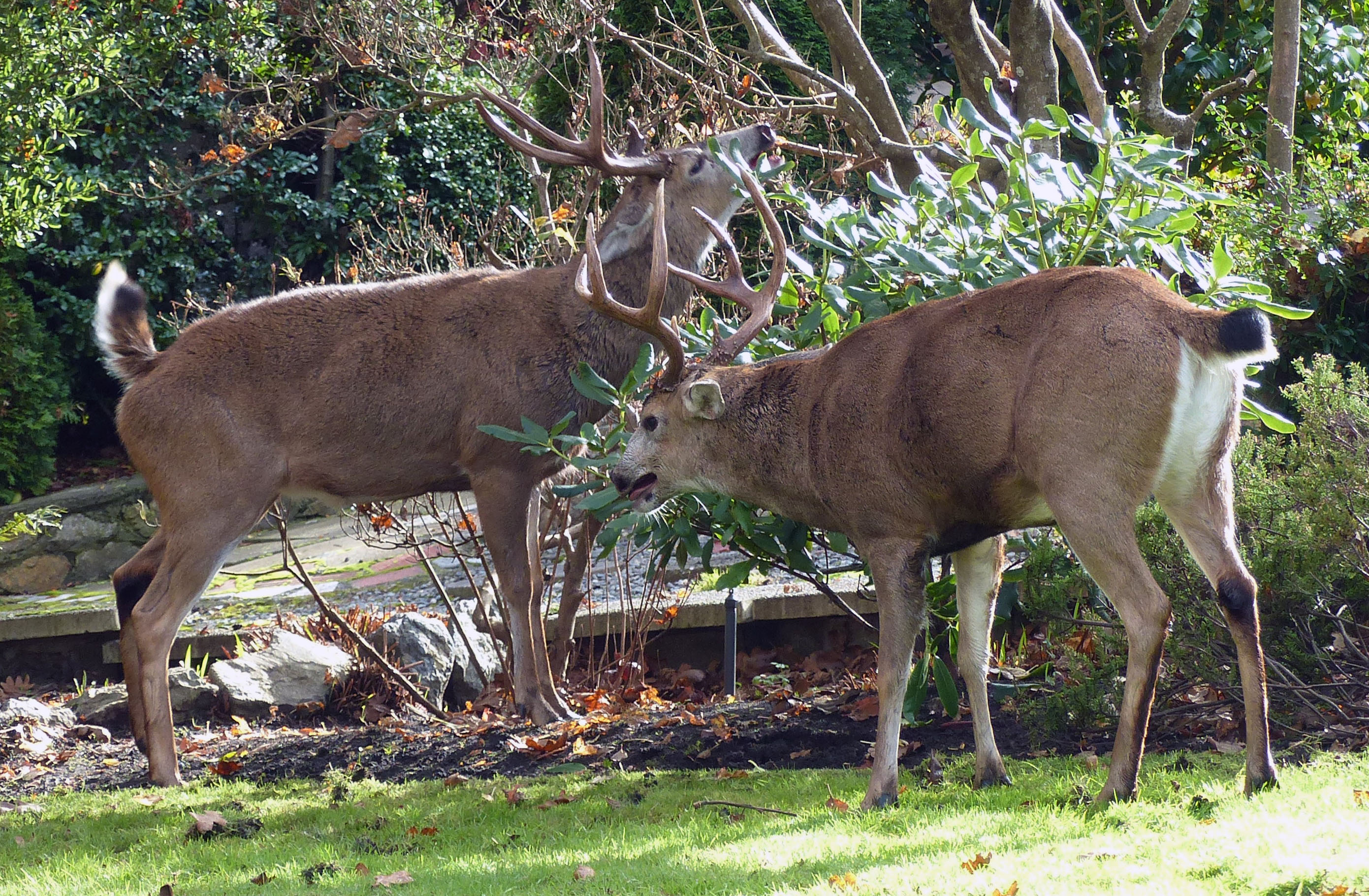
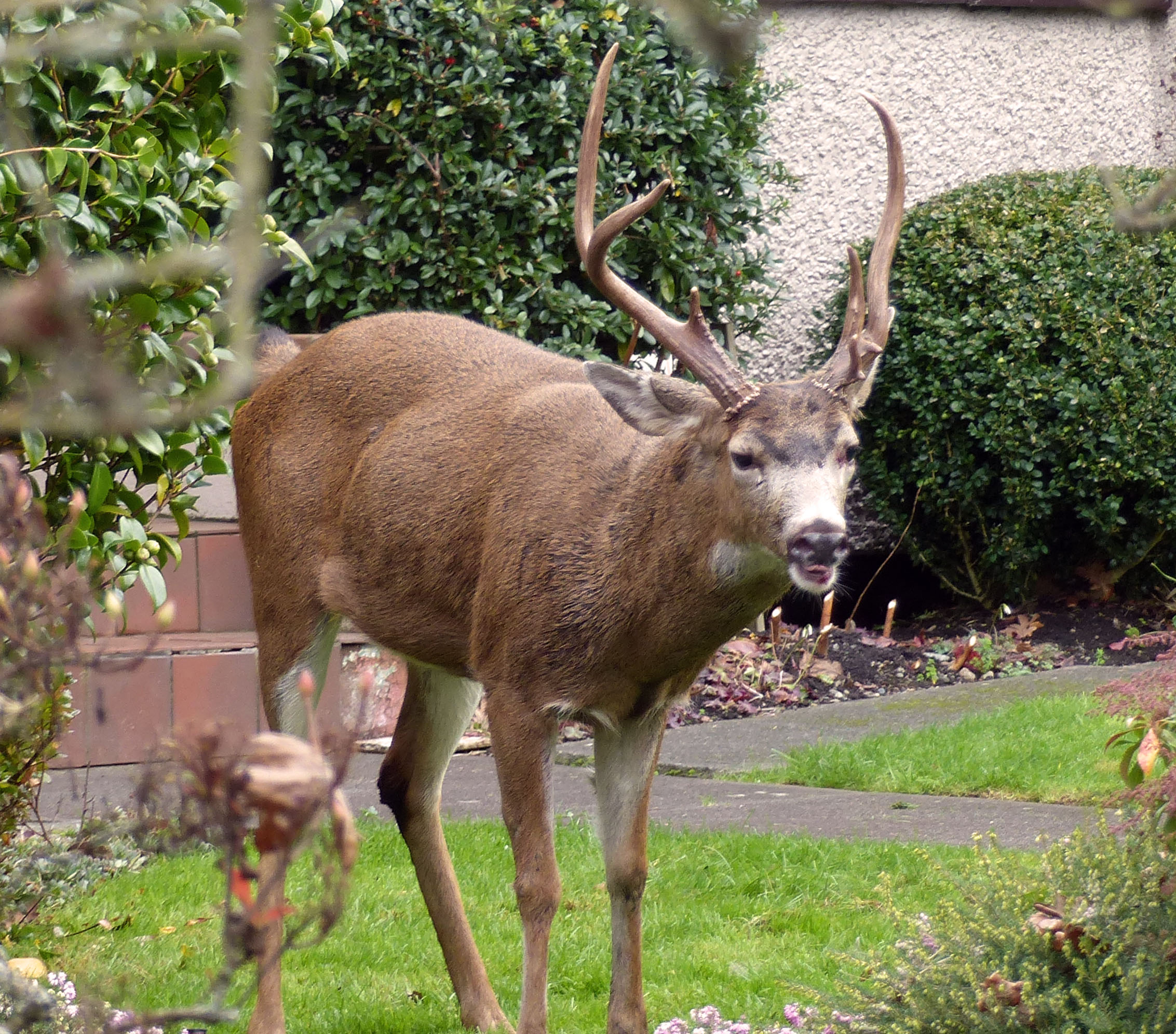
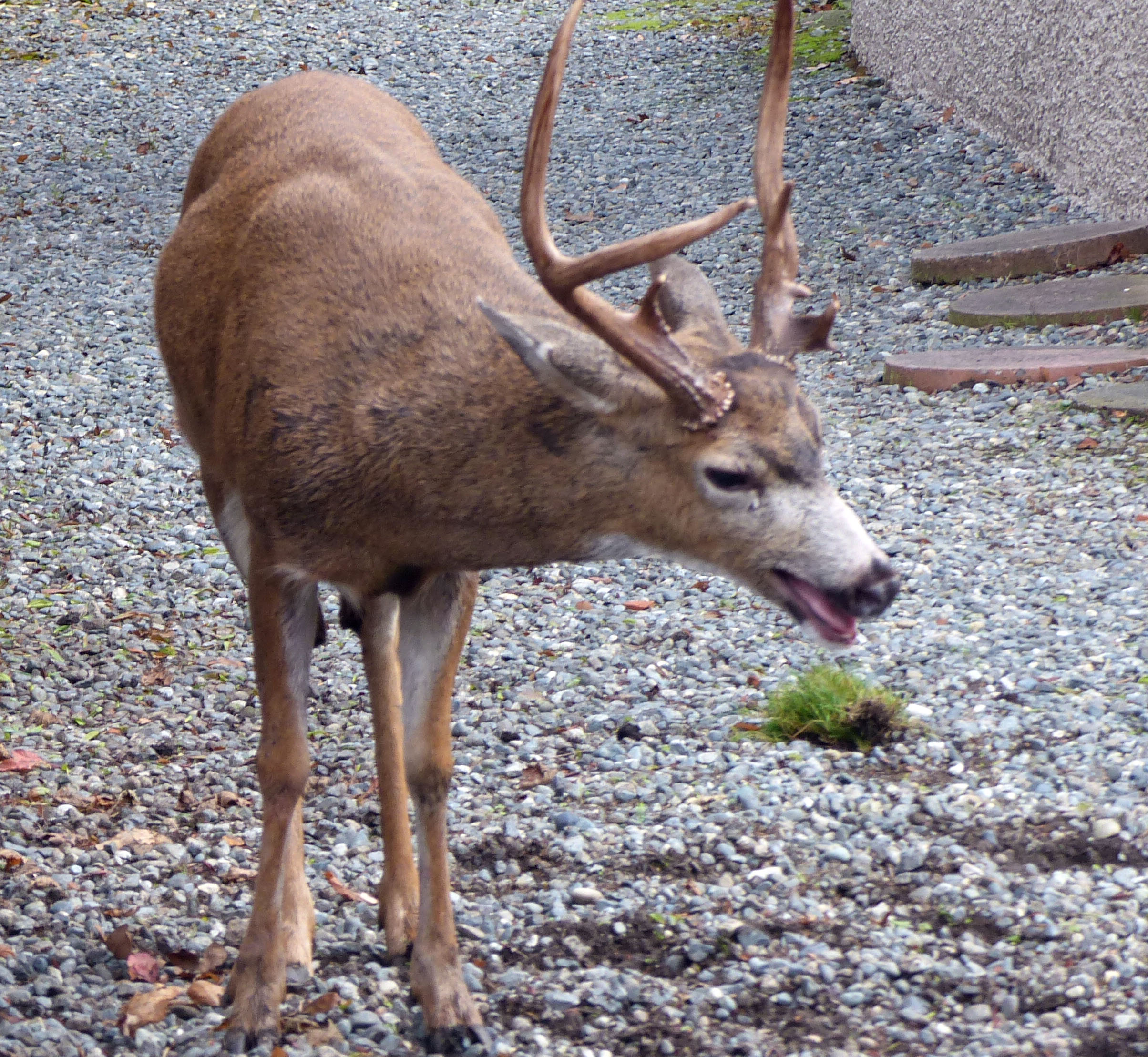
Around here it’s hard not to encounter Coast Blacktail deer. Most days, I see a half dozen or more. Bucks in rut seem particularly oblivious, driven as they are by the mating urge. Today, a fine-looking fellow and at least one doe wander the shoreline within meters of passersby. He’s alert, watching and sniffing the air. What’s at stake? I took shots of two big bruisers from the neighbourhood on another October day. They’re not buddies. They’ve already had a huge battle on the roads and in gardens. Now they’re exhausted, pausing to catch their breath before they go at it again. There’s a lot at stake and they won’t stop only when one breaks off combat and leaves the field. The winner gets the does, like the chap in the bay above. The loser gets nothing. Not that a victorious buck can feel secure. There’s always a challenger.
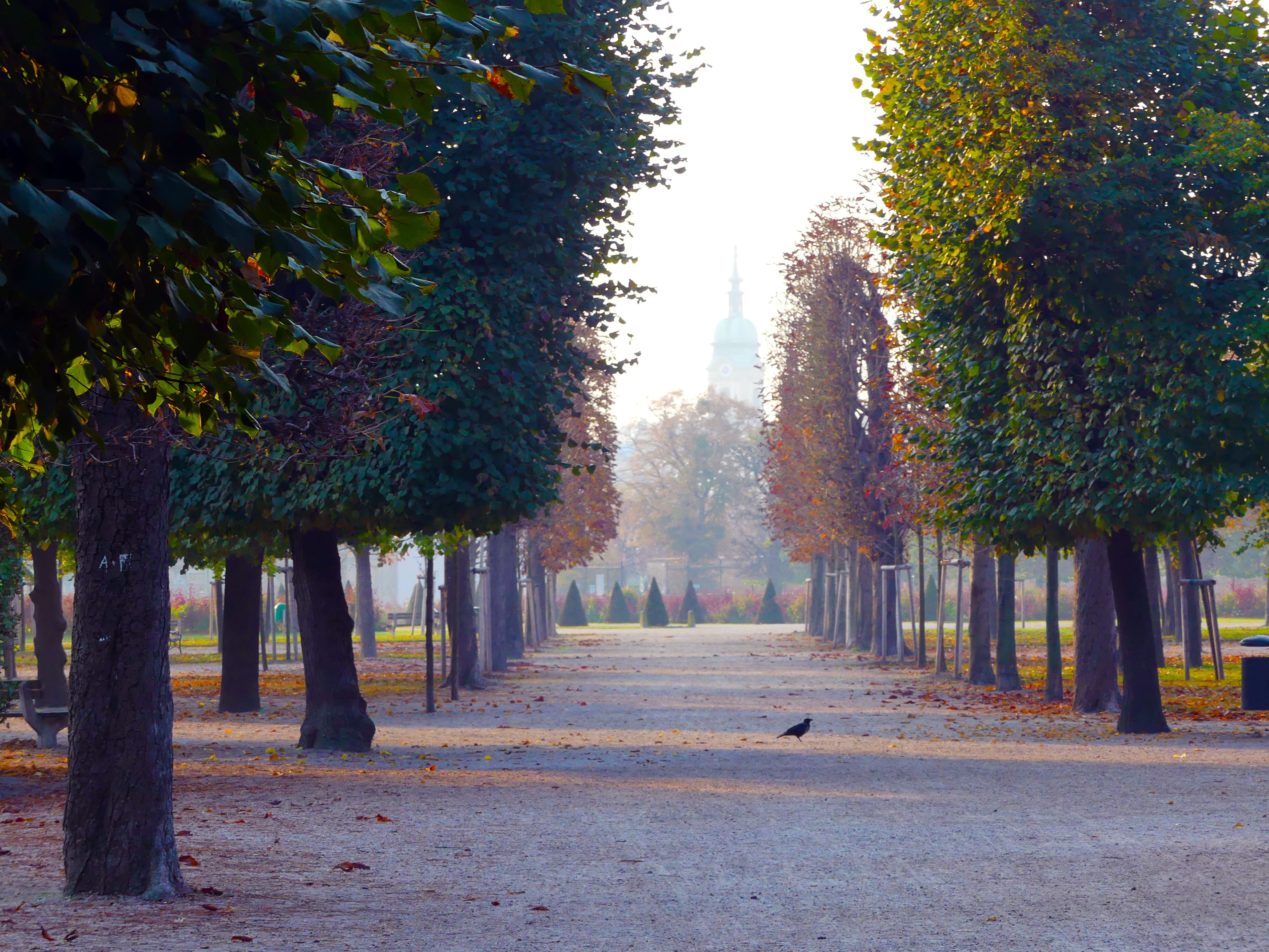
I’m up early hoping to pick up a few Vienna birds before Augarten Park wakes up. The preschool isn’t yet open and early morning joggers are few. Likewise, the porcelain manufactory in Augarten Palace (established in the 18th century) is still closed. So is its pleasant cafe, which is too bad. You can buy a teacup in the shop for 500 euro (sans tea) here if that’s your thing.
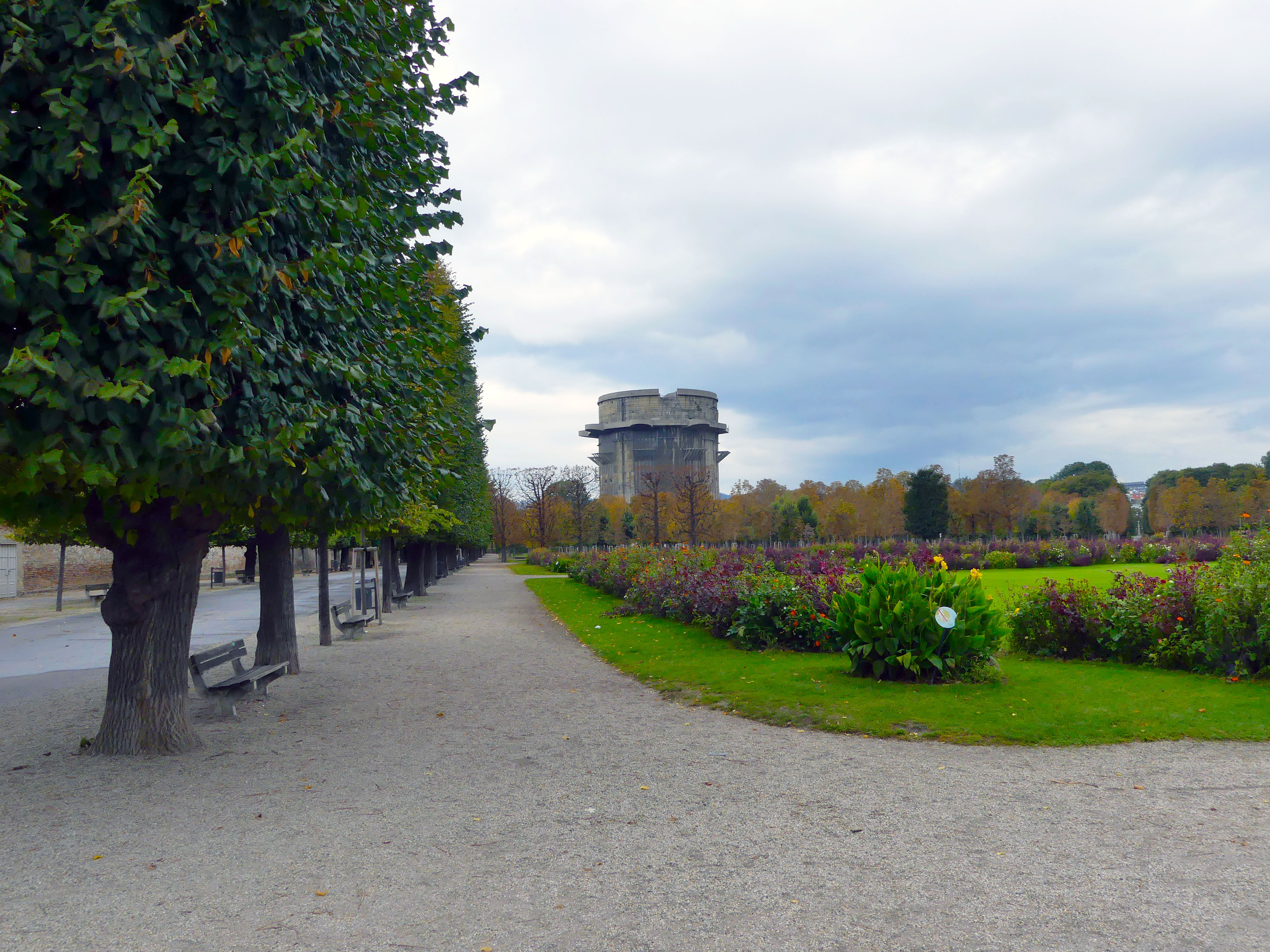
Flak Tower
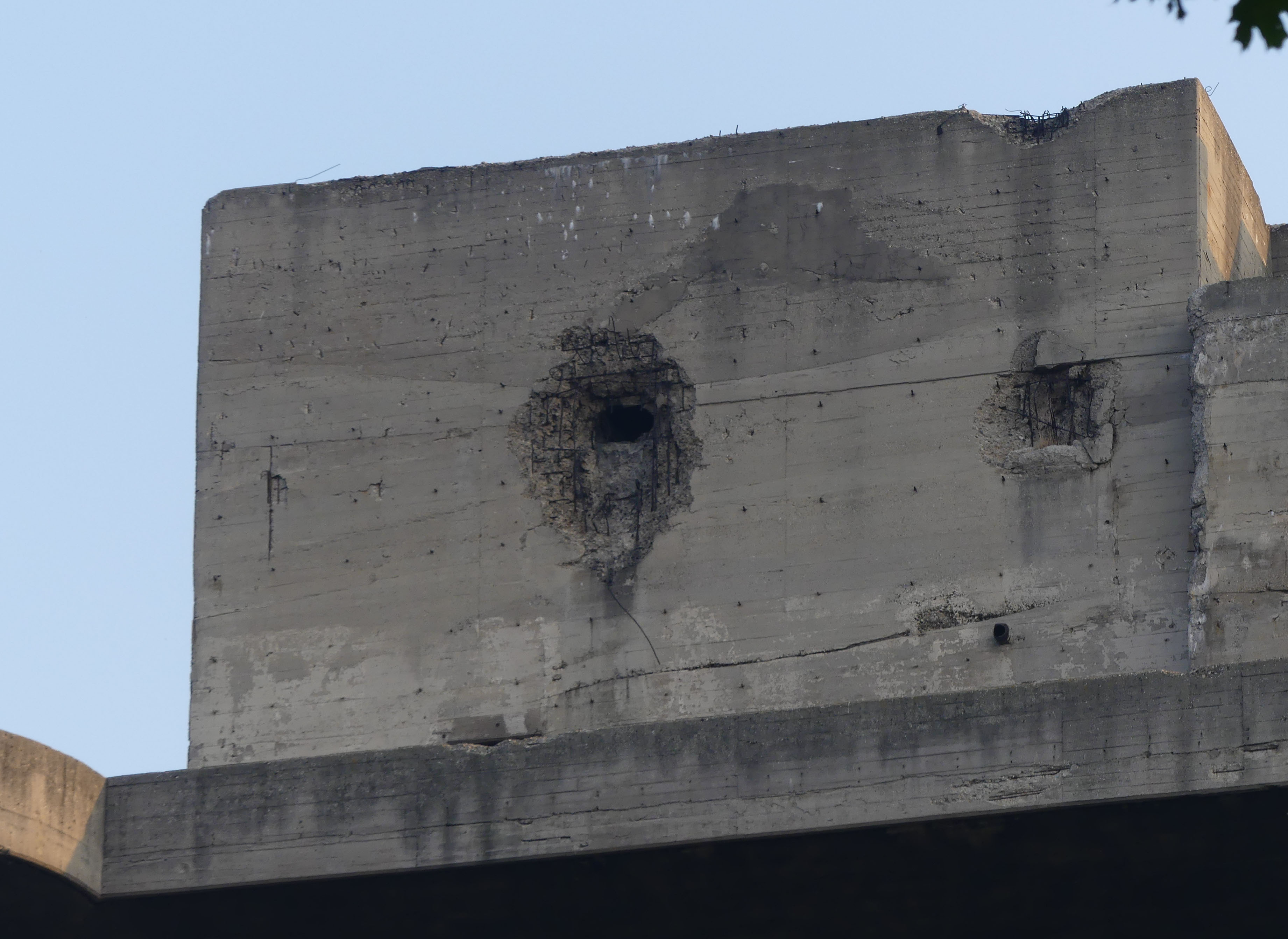
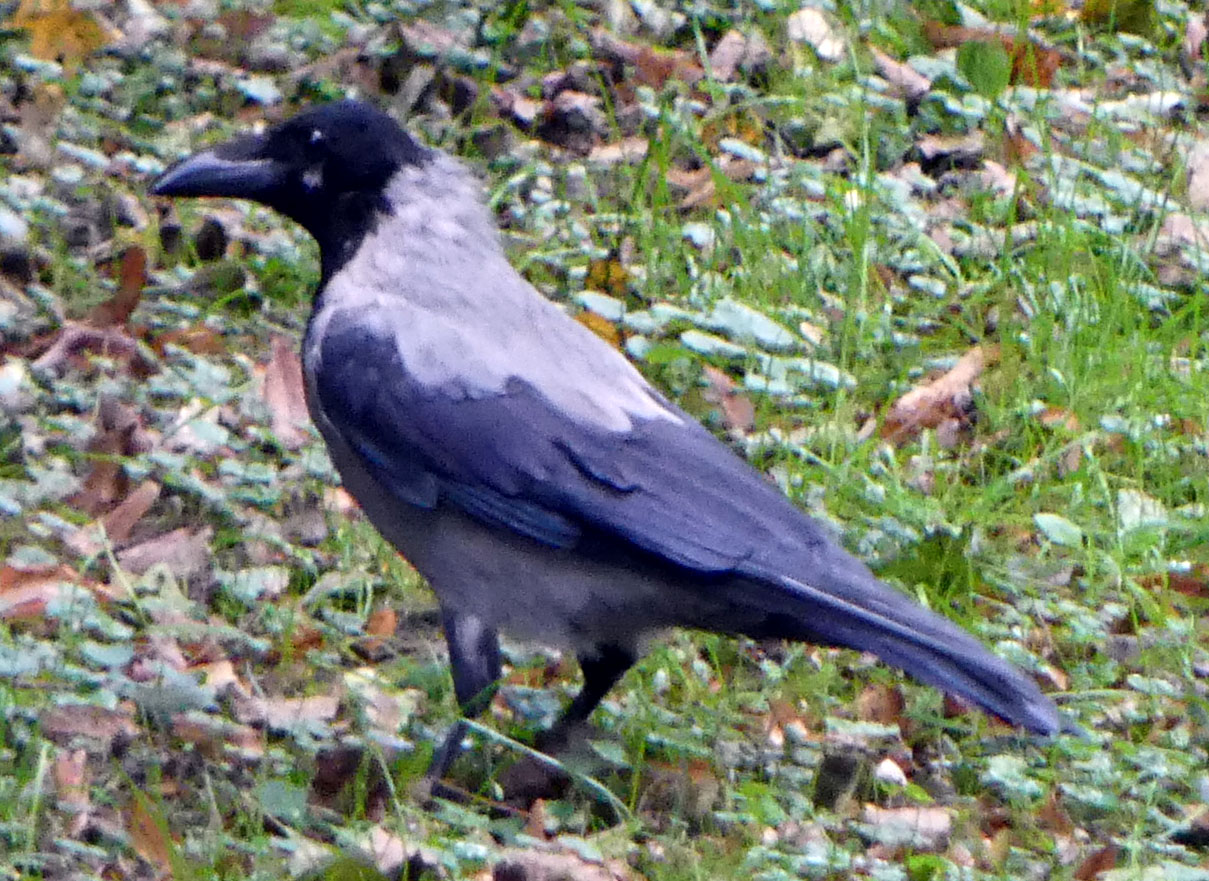
The formal lanes of trees can confuse a newcomer so I use the enormous World War Two flak towers looming over the western side of the gardens as reference points. The entrance to the street or ‘gasse’ we’re staying on is in the opposite direction. Hard to believe now that this area was subject to heavy fighting in 1945 when die-hard Nazis fought the Russians for these massive reinforced concrete anti-aircraft fortresses. You can still see bullet holes and shell craters on the upper levels. Nowadays, the towers provide vantage points for the occasional Peregrine Falcon but little else I think. No Peregrines today, which means birds in the formal gardens might be active. Nothing quietens bird life so much as a cruising falcon with the afterburners on. The park’s many Hooded Crows, cocky and self-assured, don’t seem bothered by much. I fancy they’d treat the rumour of a raptor with studied disdain.
Hooded Crow
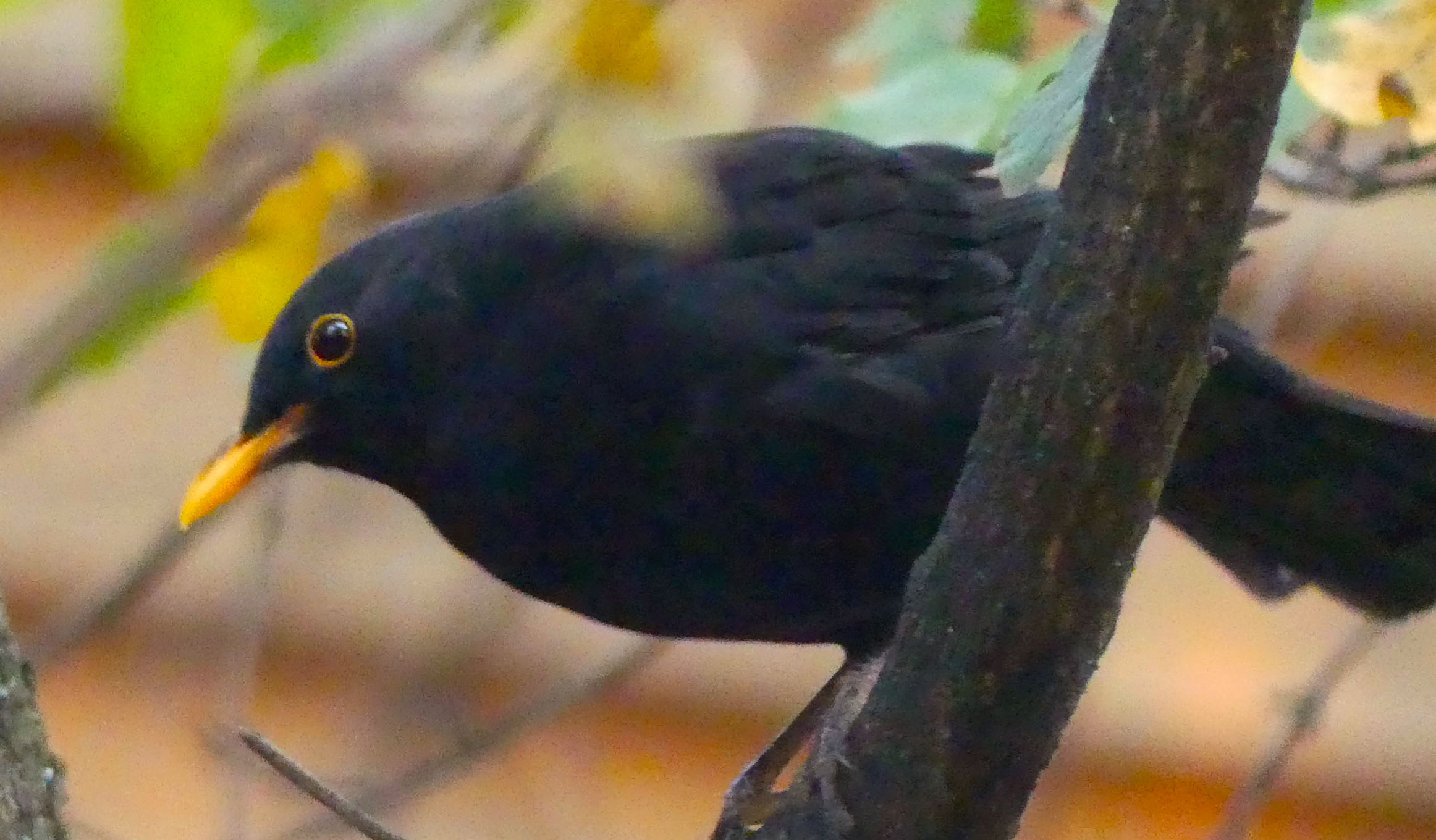
European Blackbird
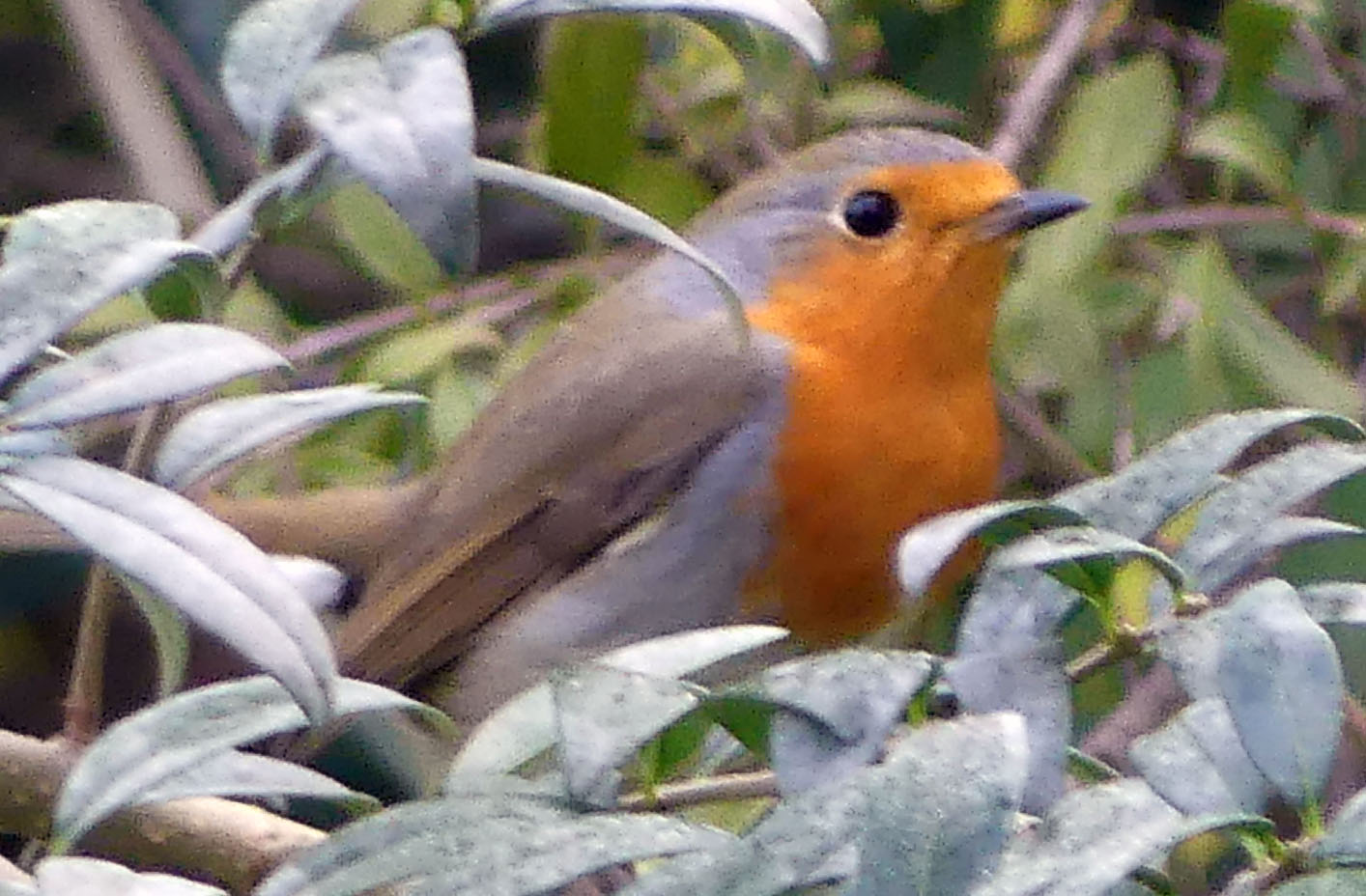
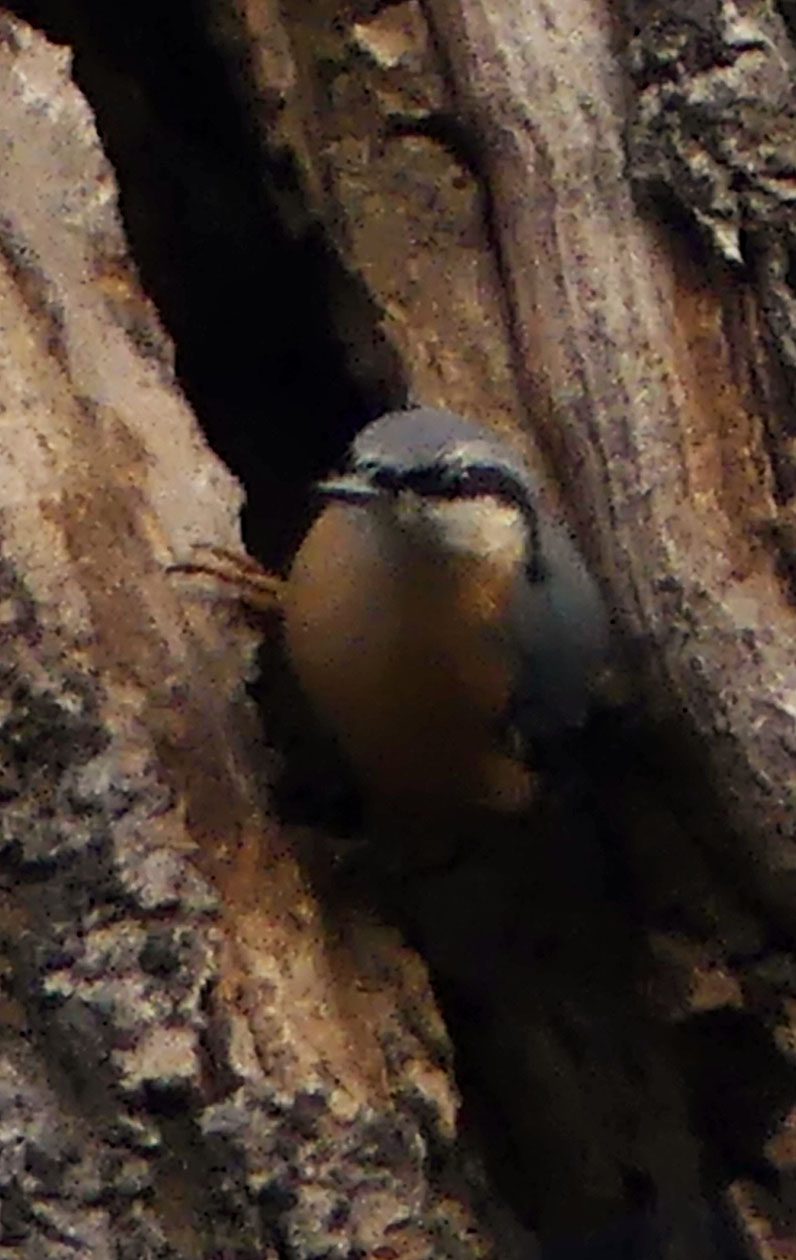
In the cool of early morning I saw few birds and then only briefly but as the sun climbs higher more appear. Even so, an unseasonably warm October has helped trees keep their leaves and their avian residents are hard to spot — noisy but invisible. They have to get hungry and at last they do. A pair of busy Nuthatches investigate a crack in the trunk of a mighty oak. Nearby a squad of European Blackbirds work a patch of shrubbery. A European Robin appears. I still call them English Robins, because my English parents did. Cute little guys — the robins, I mean, not my parents. No relation to our Robins, these birds. Ours are thrushes and kinfolk to European Blackbirds, also thrushes. The Europeans are a kind of flycatcher.
European Robin
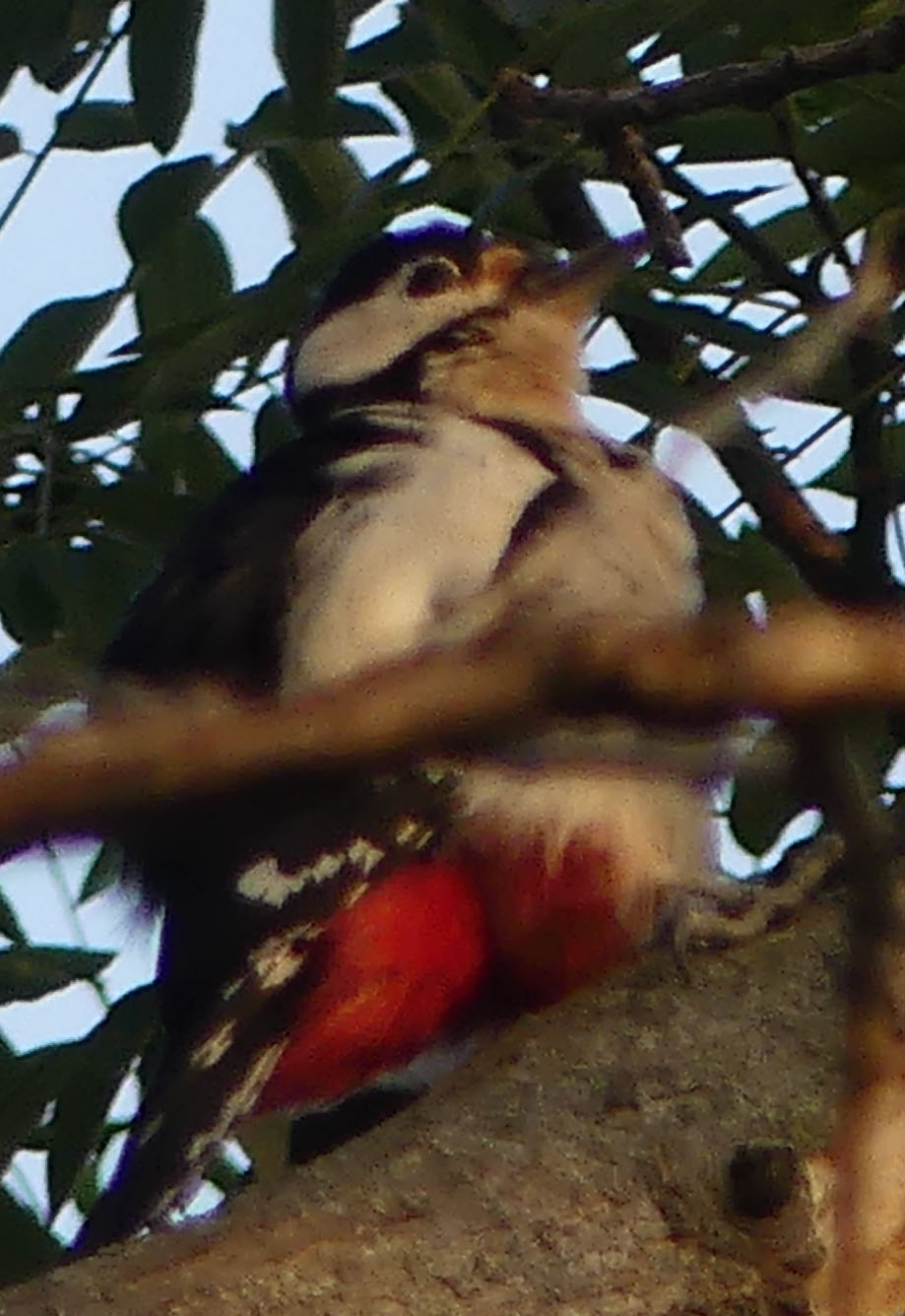
It gets busier as the morning chill lifts. Great Tit fly across the gravelled lanes as they move between forest patches. And there are Blue Tit here too. Related to out Chickadees, they’re busy, hanging from branches and picking up insects lurking on the undersides of leaves. I see several Green Woodpeckers but these large birds vanish into the treetops before I can get a picture. A Great Spotted Woodpecker is more cooperative. This bird makes a guest appearance in the movie ‘The Big Year’ – a non-migratory European bird in western North America. Well, stranger things have happened. And then its time to go, a Viennese coffee and yet another Sacher Torte await. Yes, you can eat Sacher Torte for breakfast.
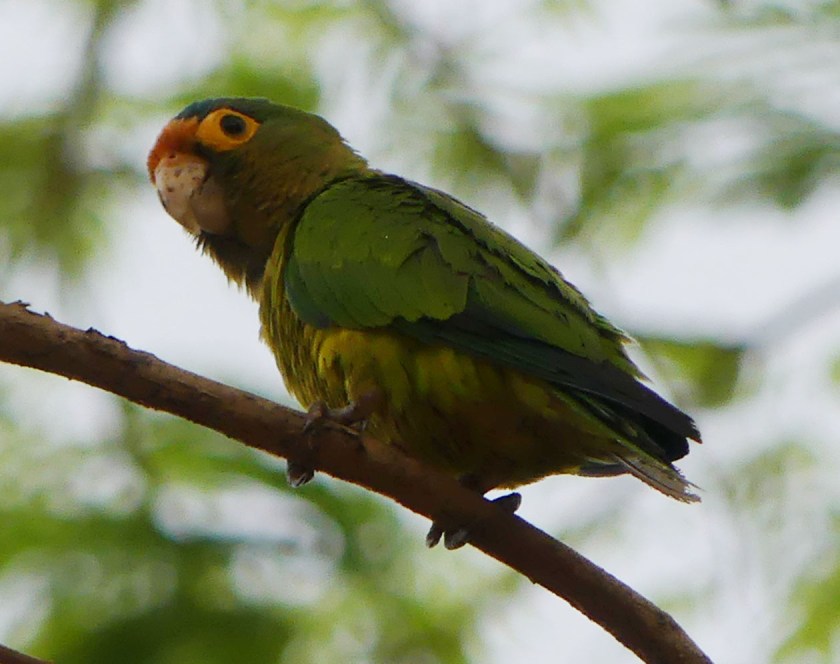 Orange-fronted Parakeet


















 ‘
‘

 Bird Noetz