About

Cold morning:Good Light

The bird in question is a Field Sparrow, the first ever recorded here, perhaps the first ever in the province. Just about every birder I know saw the sparrow and many took great pictures. Word is that it’s almost stupidly tame, often hopping around peoples’ feet like a little, brown mouse. The problem is that, when I get to the Lagoon , it’s vanished. What a difference a day makes (darn – now I’ve got the song in my head – Dinah Washington. I think). It was clear last night and the winds, I guess, were favourable. The ‘once in a blue moon’ bird has gone, flown. Too bad for me and the thirty forlorn birders who wander the shores, occasional stopping to peer (hopefully) under the driftwood. Luckily, there are compensations. The light is wonderful and common birds are stunningly beautiful.

goleyeno212016

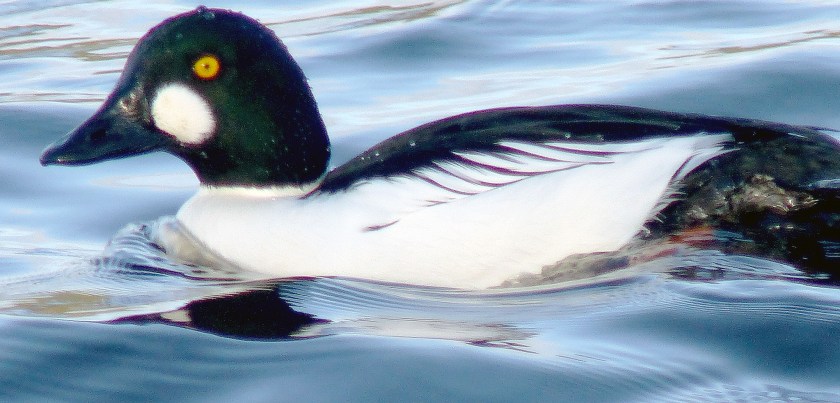
Common Goldeneye

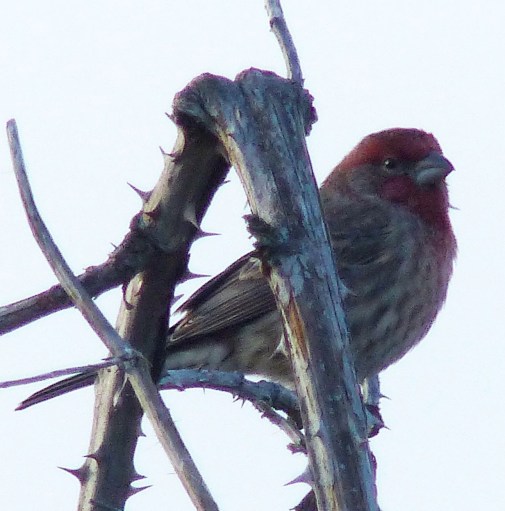
finchhno212016

House Finch

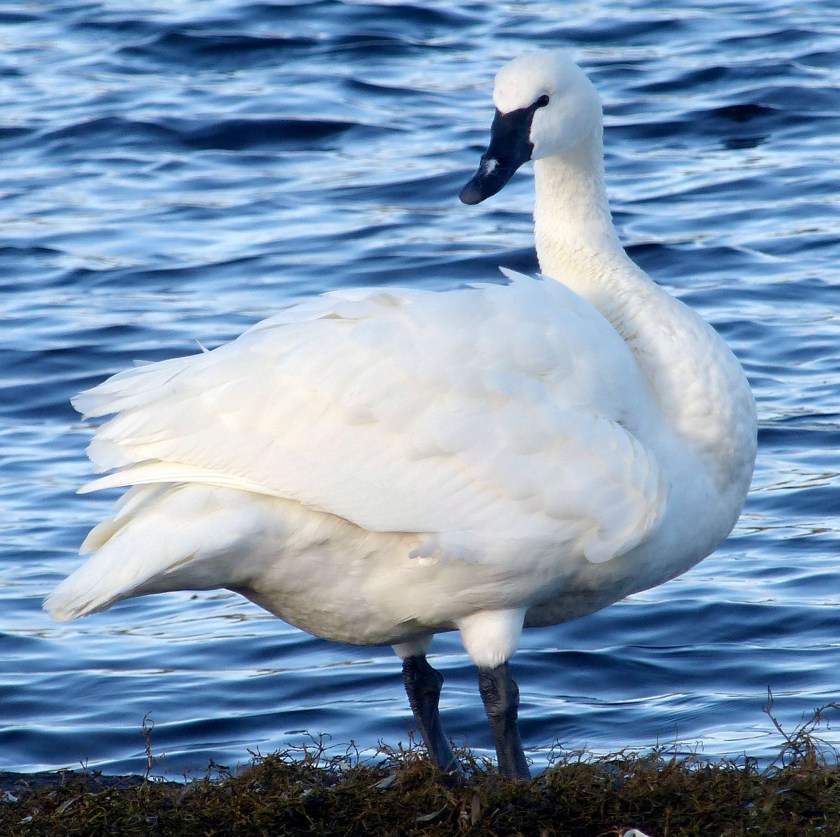
swantrno212016

Trumpeter Swan

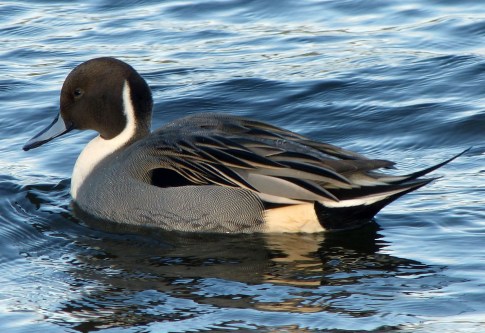
pintailno212016

Northern Pintail

buffle2no212016

Bufflehead


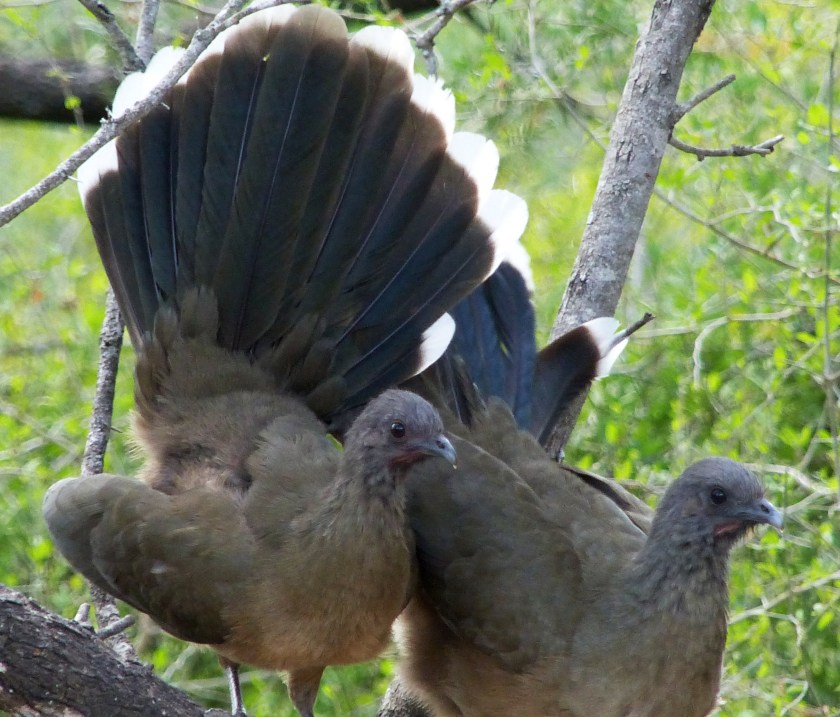
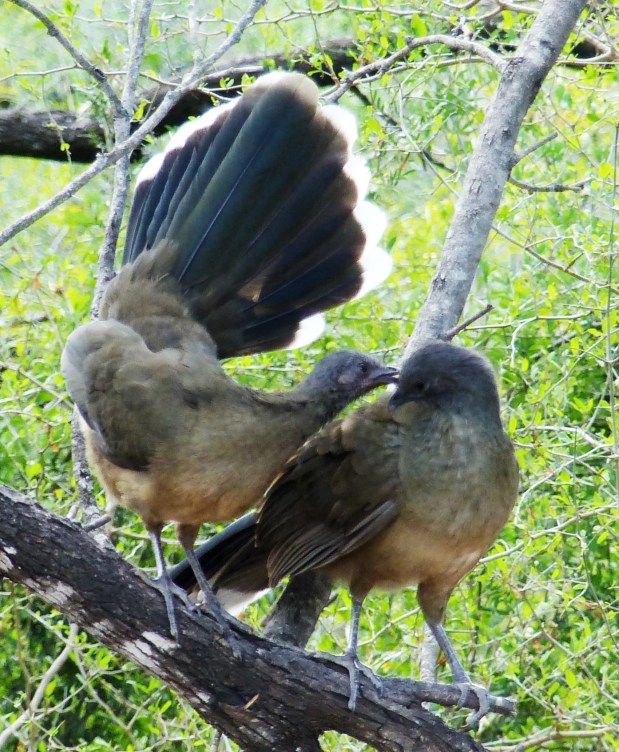
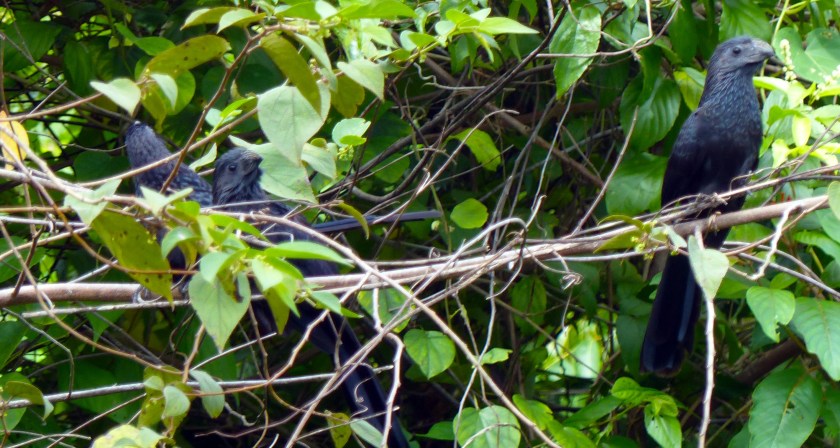
Chachalacas

Chachalacas are quite common in southern Texas. Noisy too. Very. I met Texans who admitted to homicidal thoughts around these chicken-like birds. They are up with the sun, even if you’re not. Still, I’m fond of them. Mind you, I also think the poultry barns are the best part of a fall fair, so there’s that. These two seemed to be out on a date.

chacas2no32016

I didn’t see you. I’m looking at whatever it is over there.

chacasno32016

Are you sure?

chacas4

I thought you’d never ask…

Flycatchers


tropkingoct152014x2

Tropical Kingbird

It’s mid-November in British Columbia but I’m out looking for a Tropical Kingbird. Yes –  tropical!  I think I’ve mentioned these wayward birds before. A few of them seem to show up somewhere on the coast each winter. It’s their brain wiring apparently – a misread of the magnetosphere by mostly young birds.

The Kingbird belongs to the Tyrant flycatcher clan, a family that includes some spectacular and engaging species. And they are tyrants in terms of attitude. Fierce little birds when they need to be, and very protective, driving away even the largest raptors.

vrmlionflyno22016

Vermilion Flycatcher

Vermilion Flycatchers are favourites of mine. I think they look more tropical than the Kingbirds. Easy to imagine these small, bright red birds flitting through a jungle canopy somewhere far to the south, maybe near a squad of Toucans. Like many flycatchers, they don’t try to hide, so photographing them is relatively easy. The same is true of Scissortail Flycatchers like the ones I saw recently in Texas. Extravagantly long tails and peach-coloured sides – beautiful!

scrrtailflyno42016

Scissortail Flycatcher


The Owl

The woods around the visitor center at Laguna Atascosas in Texas. Like almost every other birder here, I’m looking for a Tropical Parula, a rare and pretty warbler that nobody’s seen today. I pass little knots of people scanning the trees with their binoculars. Soon we’re all on nodding terms.

It’s hot and too late in the day for birds to move around much, which means that the Parula (if it’s still here) will be hunkered down deep in the foliage. I still haven’t had breakfast and it seems silly to stick around. Then the amazing happens. A raucous group of Green Jays push out an Eastern Screech Owl. The bird stops for pictures about ten feet away! The chances of this are remote but when it happens it’s wonderful, like finding treasure. It’s one of the things I love about birding.

scrowl3n42016

Eastern Screech Owl


estrnscreechno42016

So you’re here!

Raptor Day

I’m at a birding festival in Texas. It’s unseasonably hot and very humid. My destination is the Laguna Atascosas Wildlife Refuge where I’m hoping to see rare Aplomado Falcons. The day doesn’t start well. I’m up early and keen but my GPS takes me to a bridge that is out and poorly marked detours have me driving around in circles for three hours. Twenty miles of so in three hours! I finally luck out and spot the road in, which turns to be one of the worst thoroughfares I’ve ever been on. I do see a gorgeous White-tailed Hawk but then nothing.

wthawkn2016

White-Tailed Hawk

I’m getting discouraged but then, wonder of wonders, I spot two Aplomados and brake. They’re on adjacent fence posts about thirty feet away – beautiful- but when I get out to take pictures, my lens fogs up – something about air conditioners, humidity, and glass. Physics again, my nemesis!

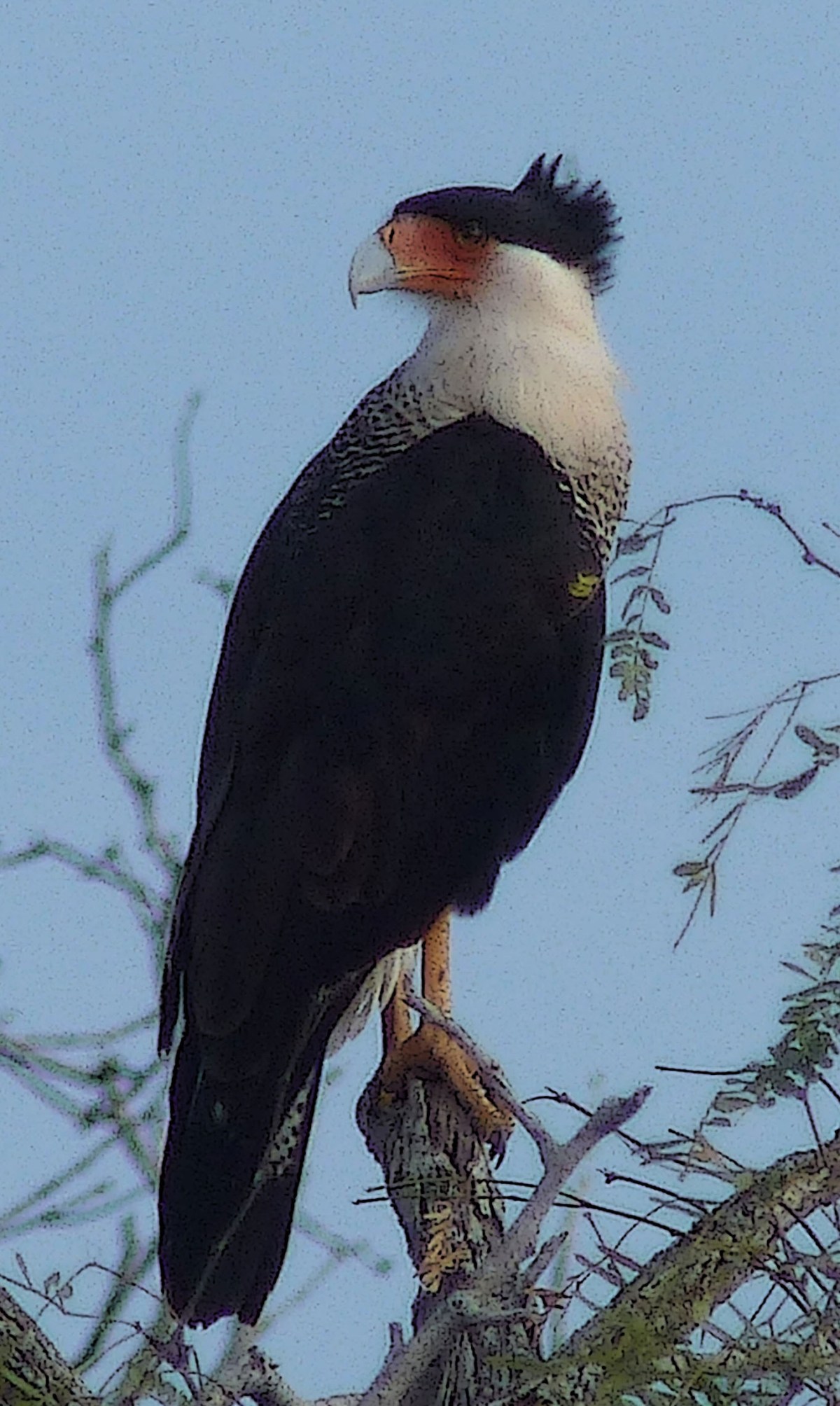
I finally clear things up but as I try to line up a shot, the falcons, disgusted, hightail it. It’s not my day. Or is it? Birding is funny. After I resign myself to failure, my luck changes. The day becomes a raptor day – and one of the my best. I see a dozen birds of prey – the Aplomados, Peregrine Falcons, White-tailed Kites, Kestrels, Harriers, Crested Caracaras, White-tailed Hawks and the highlight, an Eastern Screech Owl. I’ll talk about that marvellous bird in the next post.

caracposterno4

Crested Caracara

pergr2no42016

Peregrine Falcon

kitewtno12016

White-tailed Kite

For those who don’t know the Aplomado, I offer a picture of a bird rehabilitated by the Raptor Project, an organization that looks after injured birds who are too damaged to be released. You can see what I missed when my lens fogged up back at Atascosas! The wild birds looked angular and deadly, not the least bit cute like this chap.


aplomadofal

 Raptor Project Aplomado, with Harris’s Hawk
The Flicker

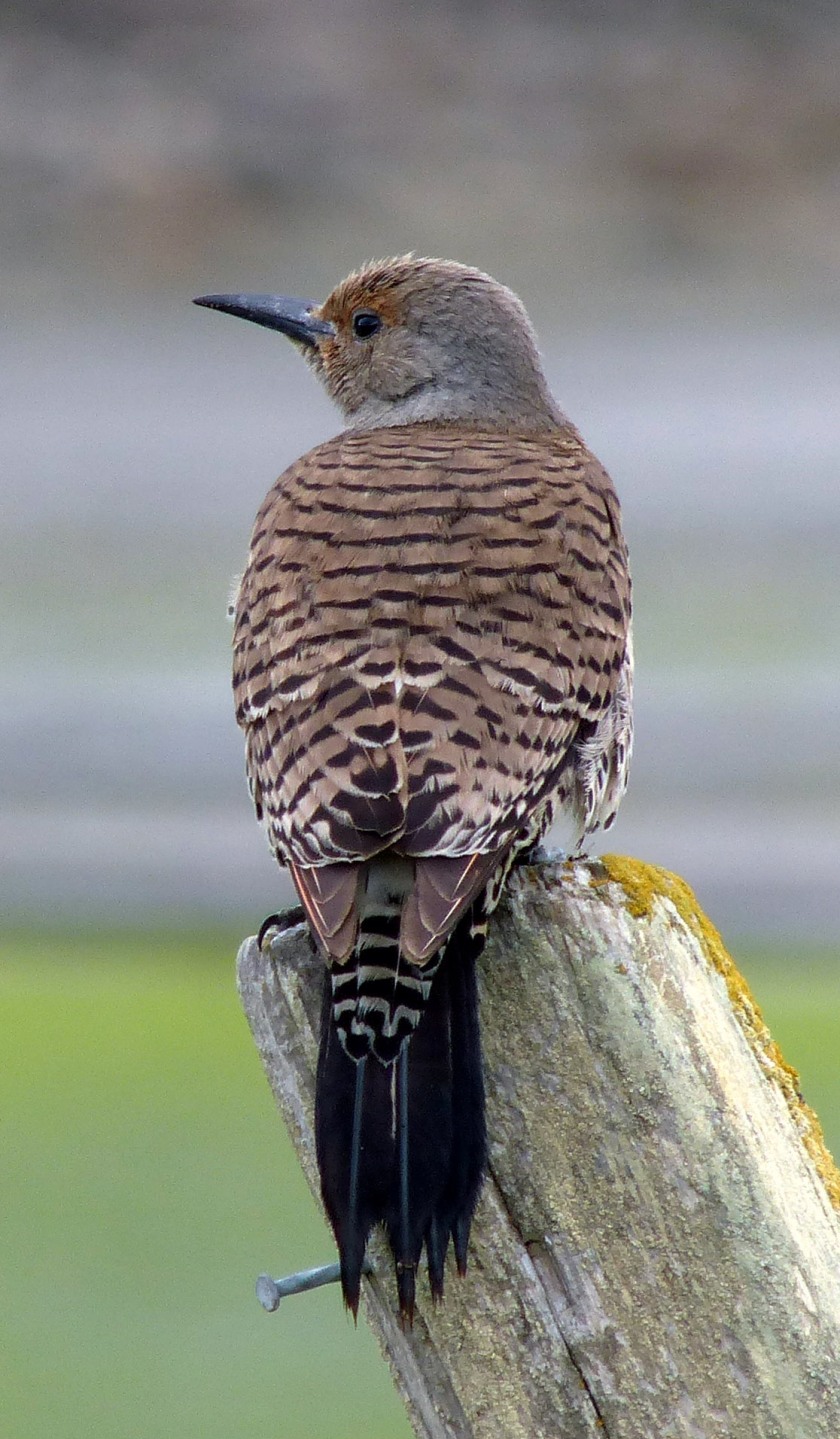
Northern Flickers are such common and familiar birds, I usually give them no more than a glance, even when they’re doing un-woodpecker-like things like hopping on the ground looking for ants. Pity. They’re really quite engaging birds — and handsome. And who doesn’t enjoy the Flicker’s loud ‘kew!’ on a grey autumn day, that bright, familiar, almost homey call.

flickerju132016x

Northern Flicker (Red-Shafted)

Mexican Birds 2

I’m searching through my photos for a good picture of Yucatan Parrots but there seems to be a parrot rule that, in a pair, one bird has to either be slightly out of focus or have its back turned to the camera. Parrots are like that. When I was a teenager many years ago, I looked after tropical birds in a zoo, now long gone. The zoo had a modern outlook, with a big walk-through aviary, so that was good. Needless to say, the parrots were always up to something, then like now. So – no superb pictures of these Yucatans, I’m afraid.

yucatanparrtsde72015

Yucatan Parrots playing Hard to Get

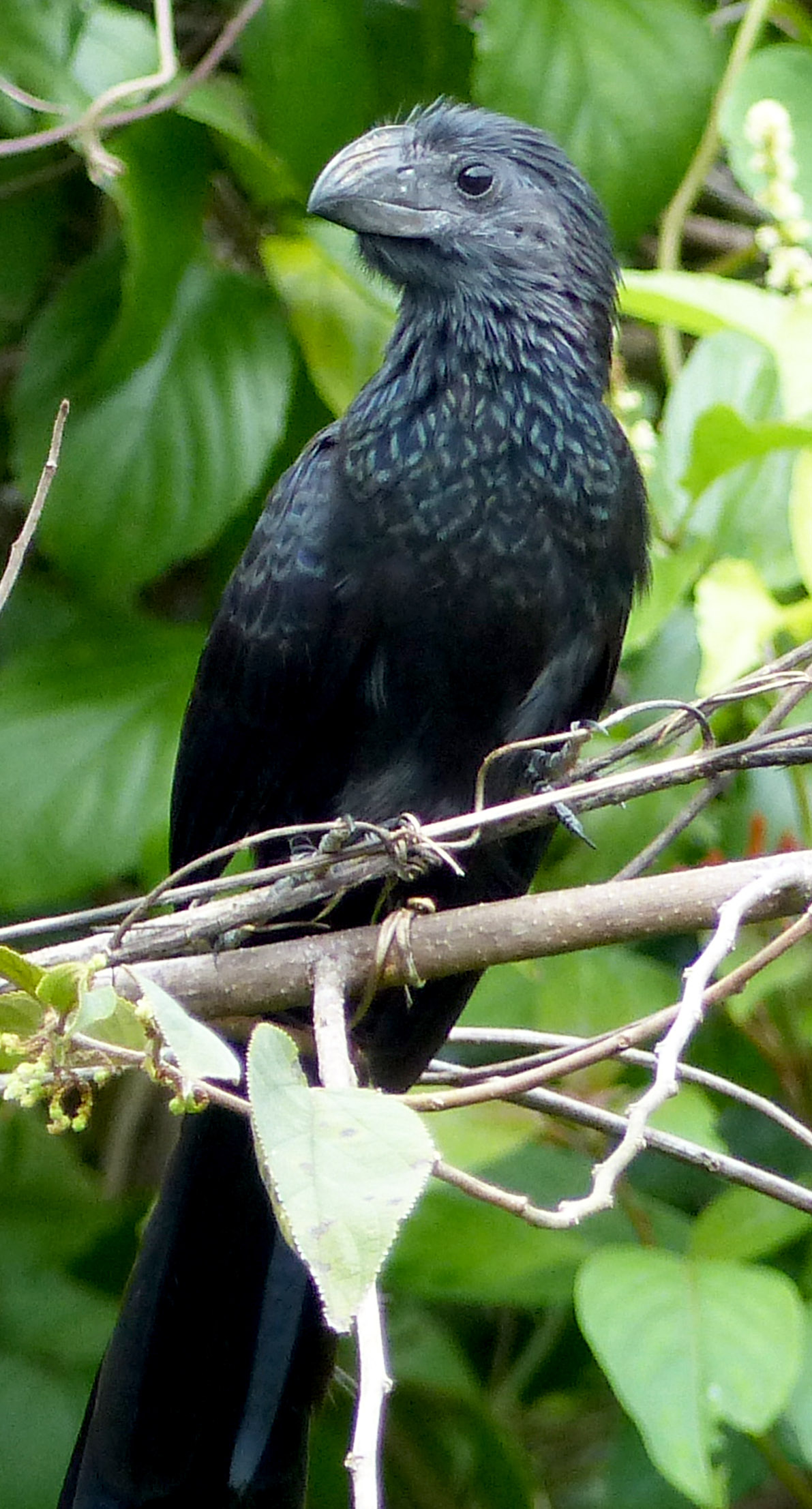
gvbilledanisdec52015

Groove-billed Anis

I was happy to get good pictures of a Groove-billed Ani, and then was quite surprised to find, when I checked my pictures, that there were three birds there. Funny how selective our vision can be sometimes. They look like they should belong to the blackbird family but they’re actually a brand of cuckoo. Seemingly plain, their shoulder, neck and chest feathers sport iridescent emerald flecks.

mayruinsagoutide92015

Early Morning – Mayan Ruins with Agouti

agoutide92015

Getting out at sunrise is essential in the tropics. Places that seem to have no wildlife at midday can be noisy with birds. Other animals are moving and feeding too. Families of Javelina, small pig-like animals, are around. The agouti, a large rodent, is common, and not overly shy. And Keel-billed Toucans are active, using those enormous bills dexterously – they can easily pick up a grape!

kbtoucansde52015

Keel-billed Toucans

Autumn Ducks: Hooded Merganser

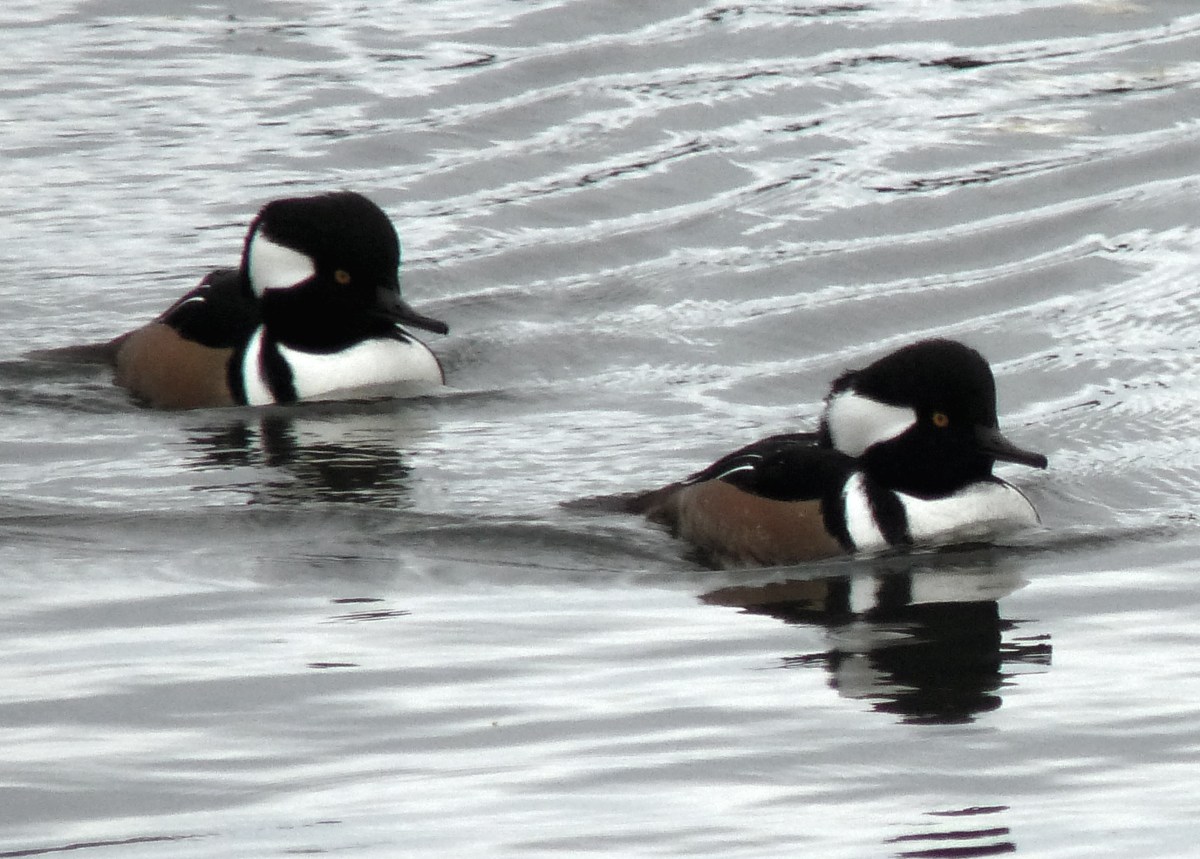
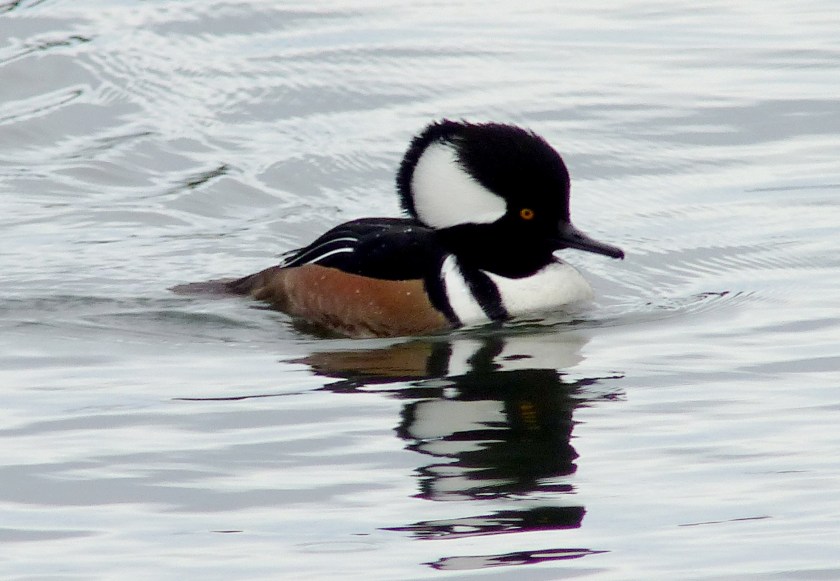
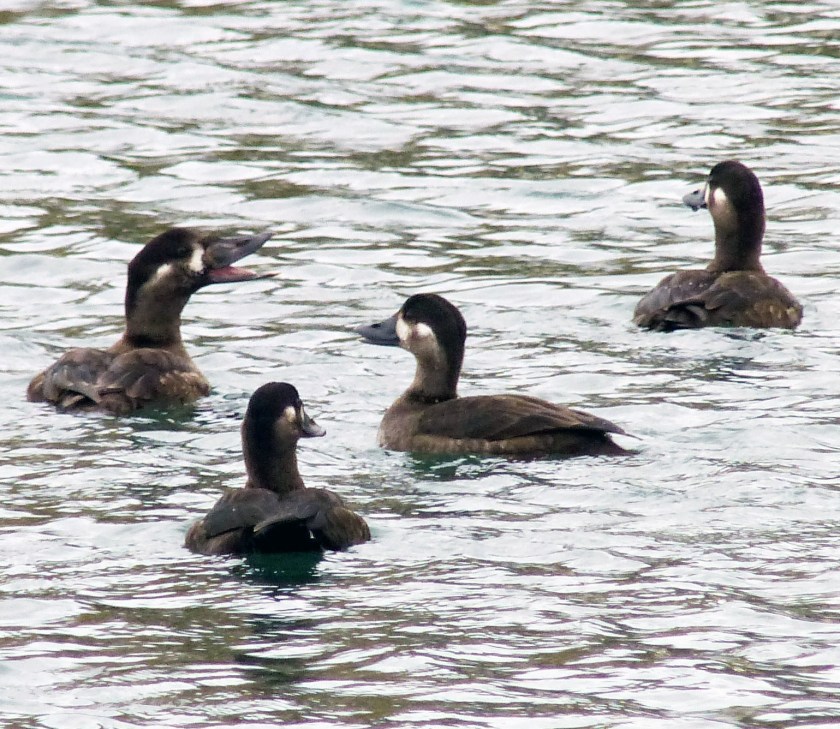
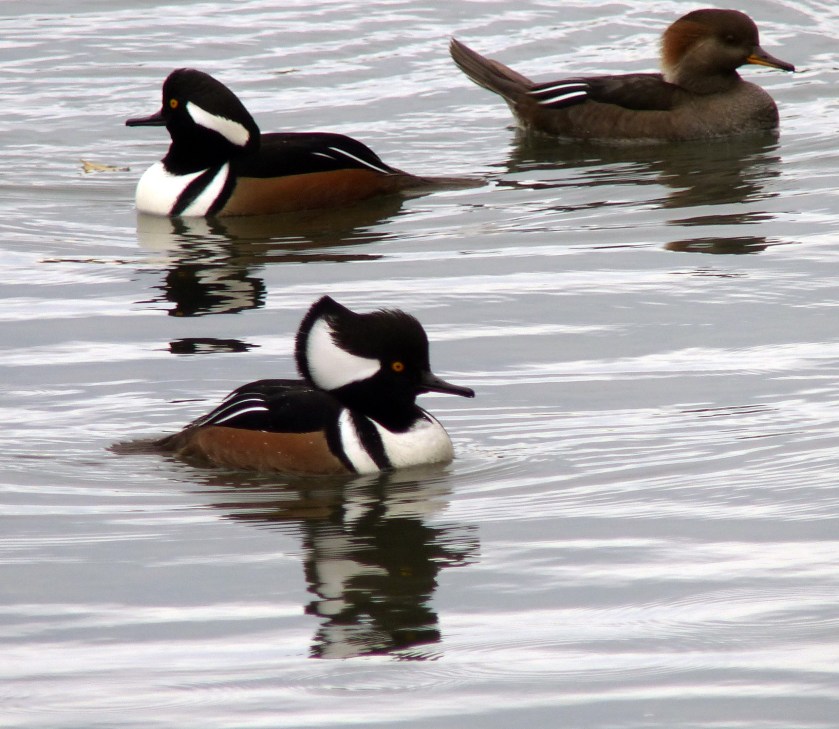
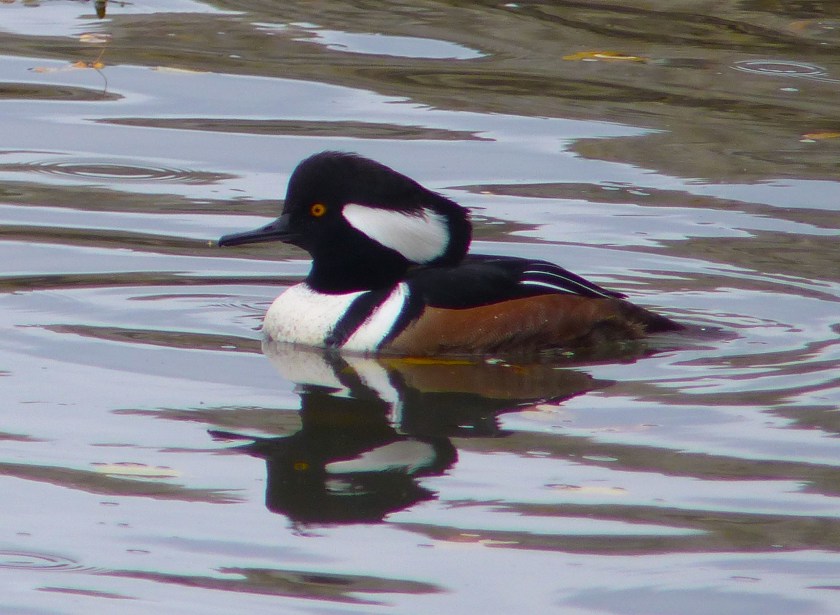
Is there a prettier duck than the ‘Hoodie’? A group has just arrived in our little bay, the males posturing and flashing their crests as they compete for females. Buffleheads are here too, right on time – the 3rd week in October for us. And our Widgeon have returned, tumbling in on the winds of the last October storm. Coming home for the winter, I guess, and soon to be grazing on the local park lawns. No sign (yet) of the crimson-headed Eurasian Widgeon that spent last winter here. A squadron of young Surf Scoters has joined the Buffleheads, a bit of a surprise in such shallow water.

hdmerg2oc252016

Hooded Merganser Drake

yngscotersoc252016

Surf Scoter Teens

hmergs0c25

Competition

hdmergxoc25

Today’s Champion


Mexican Birds 1

Amid the ruins of Muyil, a Mayan city in the Quintana Roo, an Violaceous Trogon. Seeing a marvellous bird like this in a place like Muyil helps one forget about the heat, the bugs, and the early morning. The guide’s cheese loaf at mid-morning was nothing to write home about either.

olivaceoustrogde52015

Violaceous Trogon

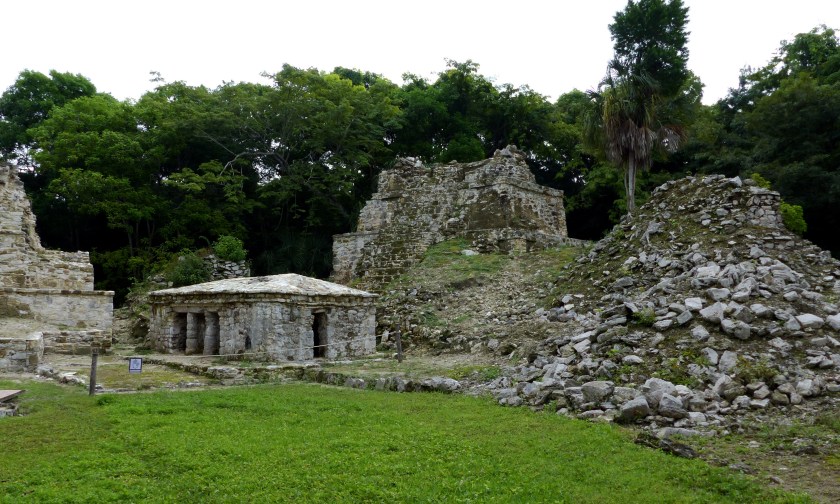
The excavated part of a much larger city. Muyil, a trading center, was inhabited for over a thousand years and abandoned more than five hundred years ago.

muyilde52015

Muyil, Quintana Roo


Rare Birds – The Emperor Goose

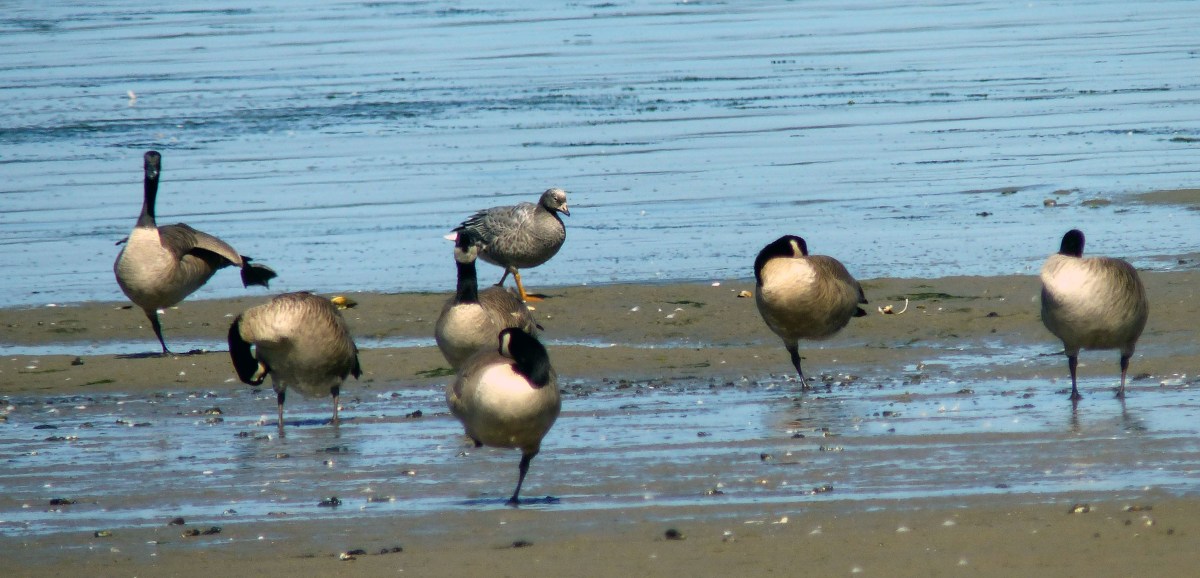
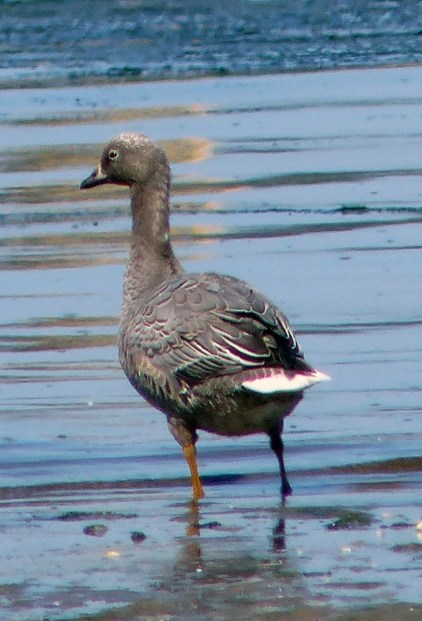
I got the rare bird report when I was in Salem, Oregon in September. A number of people had reported an Emperor Goose near Coos Bay, also in Oregon, and I don’t have one on my list. Coos Bay is bit of a drive from Salem but what the heck — I’m at location around noon. It’s a nice sunny day and there are thousands of Canada Geese around but that’s it. After an hour or so, I abandon the quest. I decide to make one more try at the top of a bluff. Unfortunately, I can only see about six feet of beach from my vantage point which, it turns out, is all I need. The Goose in question obliging walks into the frame. Sometimes you just get lucky! This one is lovely blue-gray bird with pinky legs and a white topknot, a young bird a long way from the Aleutians, where it probably ought to be at this time of the year.

empgoos3sep212016

Emperor Goose